

The best time to see whales in Hawaii is January through March. NOAA says humpbacks winter around the islands from November through April, with peak months in the first quarter. Watch from shore on a calm morning, and stay 100 yards back.
Best time to see whales in Hawaii, month by month
Whale months and winter surf months are the same months. NOAA’s Hawaiian Islands Humpback Whale National Marine Sanctuary says humpbacks are generally seen from November through April. The State of Hawaii’s Ocean Safety surf seasons page sets winter at November through April and summer at May through October. Use the table to match the two before you book.
| Month | Humpback whales (NOAA) | Ocean (State of Hawaii) | What it means for watching |
|---|---|---|---|
| November | Season opens. Whales are generally seen November through April | Winter pattern. North shores: consistent huge and dangerous swells | Early part of the season, before the January to March peak |
| December | In season | Winter pattern. South shores: flat to small waves | Good for a holiday trip. Boats and shore both work |
| January | Peak months run January through March | Winter pattern | Best odds. Book boats ahead |
| February | Peak | Winter pattern | Best odds. The Ocean Count day is the last Saturday |
| March | Peak | Winter pattern | Best odds. Watch the school-break rush on flights and tours |
| April | In season | Winter pattern ends this month | Past the peak. Calmer water is coming |
| May | Past NOAA’s November to April window | Summer pattern. North shores: flat to small waves | NOAA’s recreation page still asks boaters to stay alert through May |
| June to October | Not whale season | Summer pattern. South shores: large swells can arrive frequently | Plan for snorkeling, not whales |
I grew up on the Big Island, and whale season has been part of every winter since. I have watched it from the shore and from boats. My routine is the same in both places. I look for the blow first, a short puff of mist over the water. Then I wait for the back to roll.
When is whale season in Hawaii?
NOAA’s sanctuary page says humpback whales are generally seen in Hawaii from November through April each year. It names January through March as the peak. The sanctuary calls the islands the principal winter breeding grounds for the North Pacific humpback population.
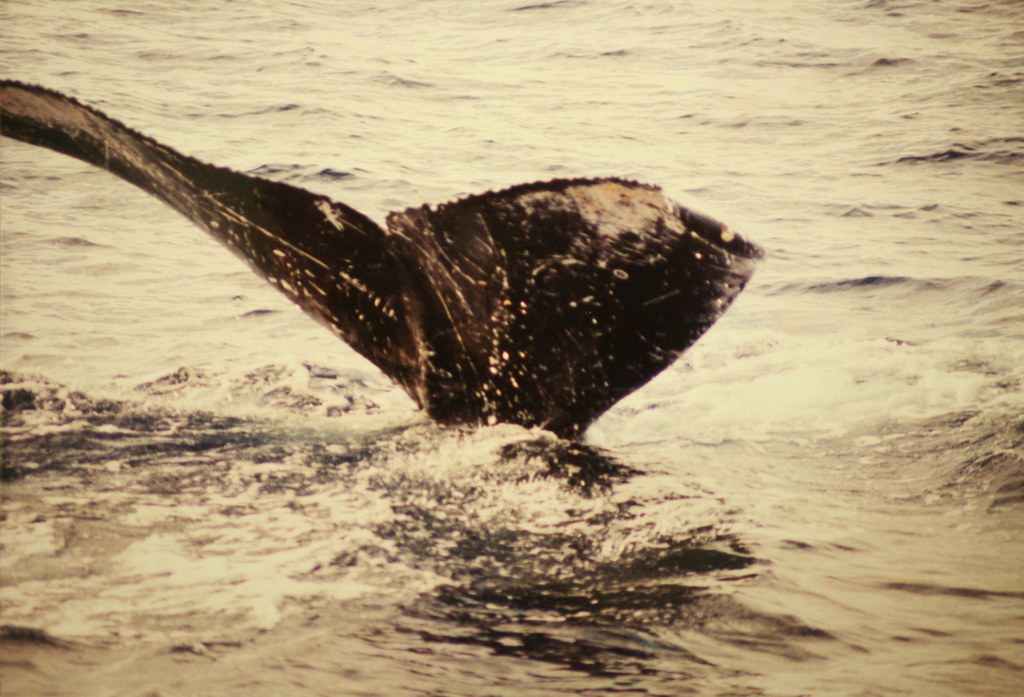
The same page says approximately half of the North Pacific humpbacks, representing thousands of animals, visit Hawaiian waters each winter and spring. While they are here, whales compete for mates, mate, give birth and nurse newborn calves. That is why you see so much surface activity. It is also why the rules on distance are firm.
The edges of the season are soft. NOAA’s responsible recreation page says boaters should stay alert for whales through a season generally considered to run from November through May. Plan a trip around the January to March window and treat November, December, April and May as bonus months.
What is the best month for whale watching in Hawaii?
February is the safest single pick. It sits in the middle of NOAA’s peak, so a late arrival or early departure does not cost you. January and March are nearly as good. Choose by price and crowds, not by whales.
December works if your calendar is fixed. The season is open, and our Hawaii in December guide covers what else the month offers. April is the quiet option. The sanctuary lists it in season, and the winter swell pattern is close to over by May.
Anyone who has booked a beach trip from a photo knows the water you saw is not always the water you get. Winter is the same. The State of Hawaii’s Ocean Safety site says winter is the high-surf season, with consistent huge and dangerous swells on north shores. Whale season and big north-shore surf arrive together.
Weather moves too. The National Weather Service’s Climate of Hawai’i page says winter fronts, migratory cyclones and Kona storms can interrupt the trade winds for days or weeks. Keep one flexible day in a whale trip. Wind and rain decide visibility more than the calendar does.
Where can you watch whales from shore in Hawaii?
You do not need a boat. NOAA’s Sanctuary Ocean Count is a citizen science project where residents and visitors watch humpbacks from the shore on Oahu, Hawaii Island and Kauai. Counts run on the last Saturday of January, February and March, from 8:00 a.m. to 12:15 p.m. NOAA lists the 2026 dates as January 31, February 28 and March 28. Check the page for the 2027 dates.
For a regular day, pick a point with height and a rail or rock to lean on. Bring binoculars. NOAA’s recreation page lists binoculars, spotting scopes and zoom lenses as the way to get a close view without approaching. Stay long enough for your eyes to adjust. The ocean stops looking empty after a few minutes of steady scanning.
Pick the dry side if you can. The National Weather Service says leeward areas tend to be sunny and dry, while windward slopes get much more cloud and rain. On the Big Island, that points to the Kona side over Hilo. On Kauai, I move to the south side on days when the north is socked in. Our Kilauea Point lighthouse guide covers a north-side lookout and its seasons.
Anyone who has taken photos on a phone from a windy lookout knows how little a phone zoom gives you. A small pair of binoculars does more for the trip than a better camera. Keep your eyes on the horizon between blows, because the show is often farther out than you expect.
How close can you get to a humpback whale in Hawaii?
The limit is 100 yards. NOAA’s humpback whale sanctuary says approaching within 100 yards of a humpback whale by any means is prohibited in Hawaiian waters. The sanctuary’s regulations page says the rule covers swimmers, paddleboards, kayaks, vessels and drones. Aircraft must stay 1,000 feet away.
The rule applies year-round and out to 200 nautical miles. Report a suspected close approach to the NOAA Fisheries Enforcement Hotline at 1-800-853-1964. Report an injured or entangled animal to the NOAA Marine Mammal Hotline at 1-888-256-9840.
If a whale comes to you, the recreation page says to stay calm and back away slowly. Put boat engines in neutral. Do not block the animal’s path. Do not come between a mother and her calf.
Other wildlife has its own distances. NOAA Fisheries’ viewing guidelines say to stay at least 50 yards from seals, including on shore, and at least 10 feet from sea turtles on land or in water. They say swimming with spinner dolphins is prohibited, with a 50-yard minimum. Do not feed or touch any of them. I keep my distance from seals and turtles every time, even when they are on a busy beach.
Is it safe to be on the water during whale season?
Whale season is high-surf season, so check the beach before the boat. The state’s Ocean Safety site tells inexperienced surfers and swimmers to avoid entering the water on north shores during high surf in winter. South shores are flat to small in winter, and west shores can get high surf when north swells wrap around.
Shorebreak is the winter hazard visitors miss. The state’s shorebreak page says Hawaii has no continental shelf to slow incoming waves, so shorebreak can be powerful even on small surf days. It advises you not to dive headfirst and to stay back from the shoreline at beaches with posted warnings. Ask a lifeguard before you step in.
I read surf, current and rain before I read a whale report. Treat them as one forecast. If a beach has a lifeguard, talk to the lifeguard. If it does not, assume the water is not for you on a big-swell day. Lifeguarded beaches are the only places I would plan a winter swim, and some close in winter surf. Our Tunnels Beach winter surf guide shows how much the season changes one Kauai beach.
If you pair whales with a swim, wear reef-safe sunscreen. Hawaii’s Act 104 makes it unlawful to sell sunscreen containing oxybenzone or octinoxate in the state without a prescription, starting January 1, 2021. Check labels before you pack. Our Hawaii packing list covers the rest of the bag.
Which month fits your whale trip?
- Best odds: January through March, NOAA’s peak months.
- Safest single month: February, in the middle of the peak.
- Holiday trip: December, in season but before the peak.
- Quieter, calmer water: April, still in season.
- Shore watching with a group: the last Saturday of January, February or March for the Ocean Count.
- Swimming and snorkeling instead: May through October, when the state describes north shores as flat to small.
Book boats and rental cars before you book the rest. First-quarter dates fill early. Pick a morning departure, bring a layer, and keep one day open for weather.
Updated November 2026.
Whale watching in Hawaii FAQ
What is the best month to see whales in Hawaii?
February is the safest pick. NOAA names January through March as the peak, and February sits in the middle. The season runs November through April.
When does whale season start and end in Hawaii?
NOAA’s sanctuary says humpbacks are generally seen from November through April. NOAA’s recreation page says boaters should stay alert through May.
Can you see whales from shore in Hawaii?
Yes. NOAA’s Sanctuary Ocean Count has volunteers watch humpbacks from shore on Oahu, Hawaii Island and Kauai. Use binoculars and pick a point with height.
How close can you get to a humpback whale in Hawaii?
No closer than 100 yards by any means, including swimmers, kayaks, paddleboards, vessels and drones. Aircraft must stay 1,000 feet away, per NOAA.
Are there whales in Hawaii in summer?
Not for planning purposes. NOAA’s season ends in April, with a loose edge into May. From June through October, plan around snorkeling and calm north-shore water.
Conditions change. Check surf, weather and park alerts before you go.
