

The cheapest winter vacation in the USA is a desert or swamp national park you drive to. Big Bend, Joshua Tree and Death Valley charge $30 a vehicle for seven days, and campsites run $16 to $35 a night. A ski day costs more, but weekday and twilight tickets cut it.
Published November 16, 2026.
I live where heating bills shape the whole winter, so I run the same math before any cold-season trip: what do I pay to get in, what do I pay to sleep, and what do I pay to eat? Here is how six budget winter vacations stack up on the first two, using each operator’s own published prices.
Budget winter vacations compared
| Trip | Gate or lift ticket | Bed per night | Best for |
|---|---|---|---|
| Big Bend National Park, Texas | $30 per vehicle, 7 days | $16 campsite | Lowest nightly cost |
| Joshua Tree National Park, California | $30 per vehicle, 7 days | $25–$35 campsite | Rock scrambling, first-time campers |
| Death Valley National Park, California | $30 per vehicle, 7 days | Varies by campground; see park page | Big scenery, no reservation to enter |
| Everglades National Park, Florida | $35 per vehicle, 7 days | Camping billed separately; see park page | Warm winter days on a short budget |
| Highlands Hammock State Park, Florida | $4–$6 per vehicle | $18–$22 plus tax | A cheap Florida winter base |
| Cranmore Mountain, New Hampshire | $79–$134 per adult ticket | Not included | A ski day with a price you can control |
My pick for the money is Big Bend. At $16 a night, nothing else here sleeps you for less, and the $30 gate covers the whole car for a week. My skip is a Cranmore weekend lift ticket in a holiday week, which is the most expensive way to spend a winter day on this list. More on that below.
How to price a winter trip before you book
Every budget trip I plan starts with one sum. Add the gate fee once, add the bed fee for every night, then divide by the number of people in the car. That is your fixed cost per person. Gas and food come after, and they are yours to estimate.
Here is the sum run on real figures. Two people, four nights at a $30 Joshua Tree campground: $30 gate plus four nights at $30 is $150, or $75 each. Across the park’s $25 to $35 campgrounds the same trip lands between $130 and $170, or $65 to $85 each. Four nights at Big Bend is $30 plus 4 x $16, so $94 for the car, or $47 each.
The sum also tells you when to buy a pass. The park service sells an America the Beautiful annual pass for $80 to US residents ($250 for non-residents), per Death Valley’s fee page. Three gates of $30, $30 and $35 add up to $95, so on a trip that hits three parks, the resident pass is cheaper. On a one-park trip, pay the gate.
Big Bend National Park, Texas
Big Bend is the one I would pick first if I only had a week and a car. The park charges $30 per vehicle, good for seven days, and campsites at Rio Grande Village, Chisos Basin and Cottonwood are $16 a night, according to the park’s fee page. Reservations are required for those campgrounds, so book on recreation.gov before you drive out, not at the gate.
What you get for the money is room. Winter is when the Texas desert is comfortable for long walks, and a $16 site keeps the nightly cost low enough to stay a week. It is a long drive from anywhere, and that is the catch: gas can eat the savings.
Best for: hikers and stargazers who already live within a day’s drive of West Texas. Skip it if: you would have to fly in and rent a car, because the rental cost cancels the cheap bed.
Joshua Tree National Park, California
Joshua Tree is the easiest of the three desert parks to enjoy with no skills. The gate is $30 per vehicle for seven days, and the park’s campground page lists Black Rock, Cottonwood and Indian Cove at $35, Jumbo Rocks and Ryan at $30, and Belle, Hidden Valley and White Tank at $25. The $30 and $35 sites are booked ahead on recreation.gov. The $25 sites are first come, first served.
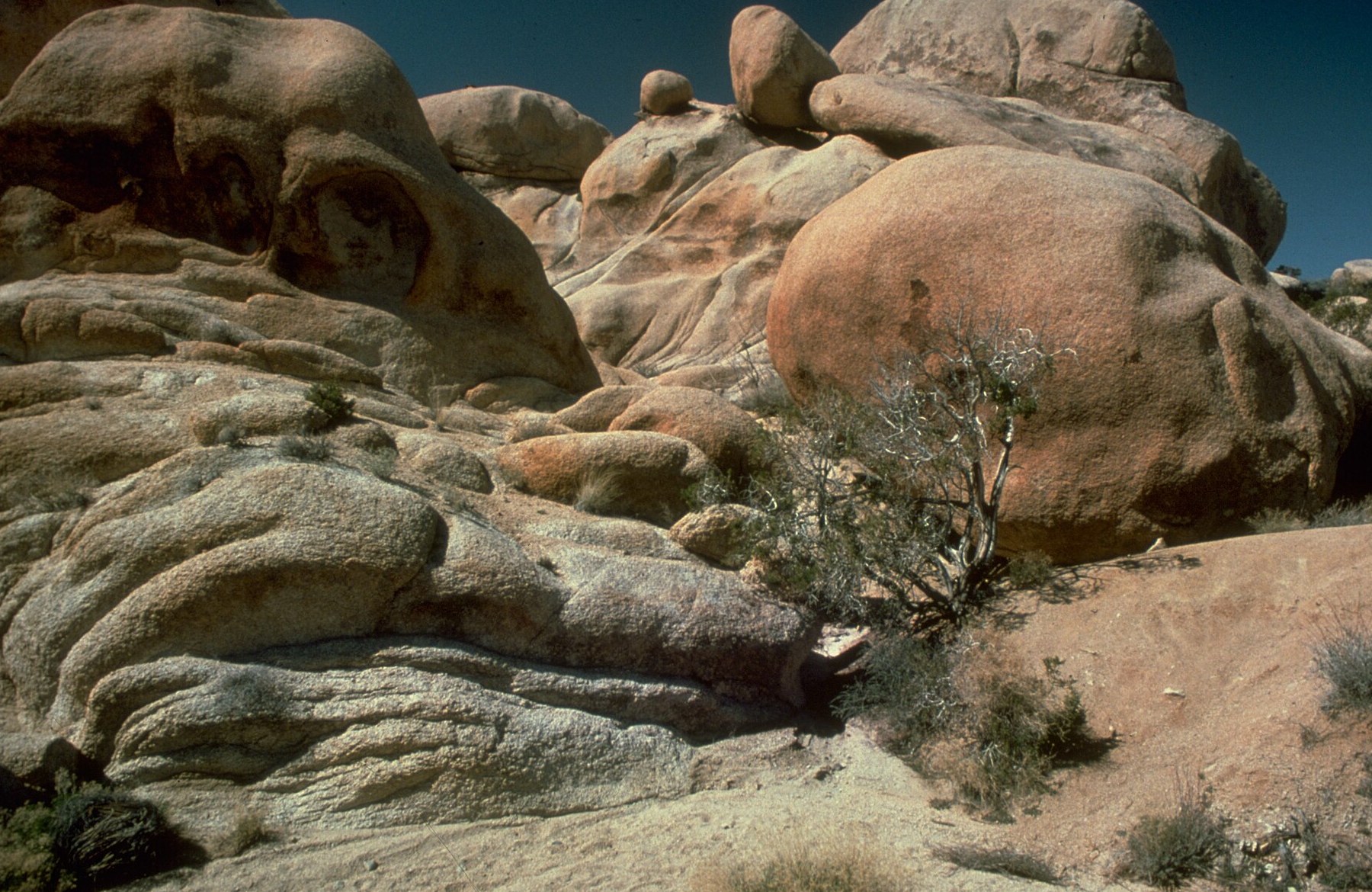
The rocks are the draw. Whole campgrounds sit among big rounded granite piles, the kind that get climbed on by every age before dinner. The catch is the $25 sites. The park service says its first come, first served campgrounds are full nearly every weekend from September to May, so arrive midweek or reserve one of the $30 sites.
Best for: first-time campers and anyone who wants to climb on rocks. Skip it if: you are counting on a $25 site for a weekend, because you are likely to find them taken.
Death Valley National Park, California
Death Valley is a winter park. In summer it is brutal, and in winter it is the opposite, which is why the people who know it show up between the holidays and spring. The park’s fee page lists $30 per private vehicle, valid seven days, with no reservation needed to enter. The park takes cards and digital payments but not cash.
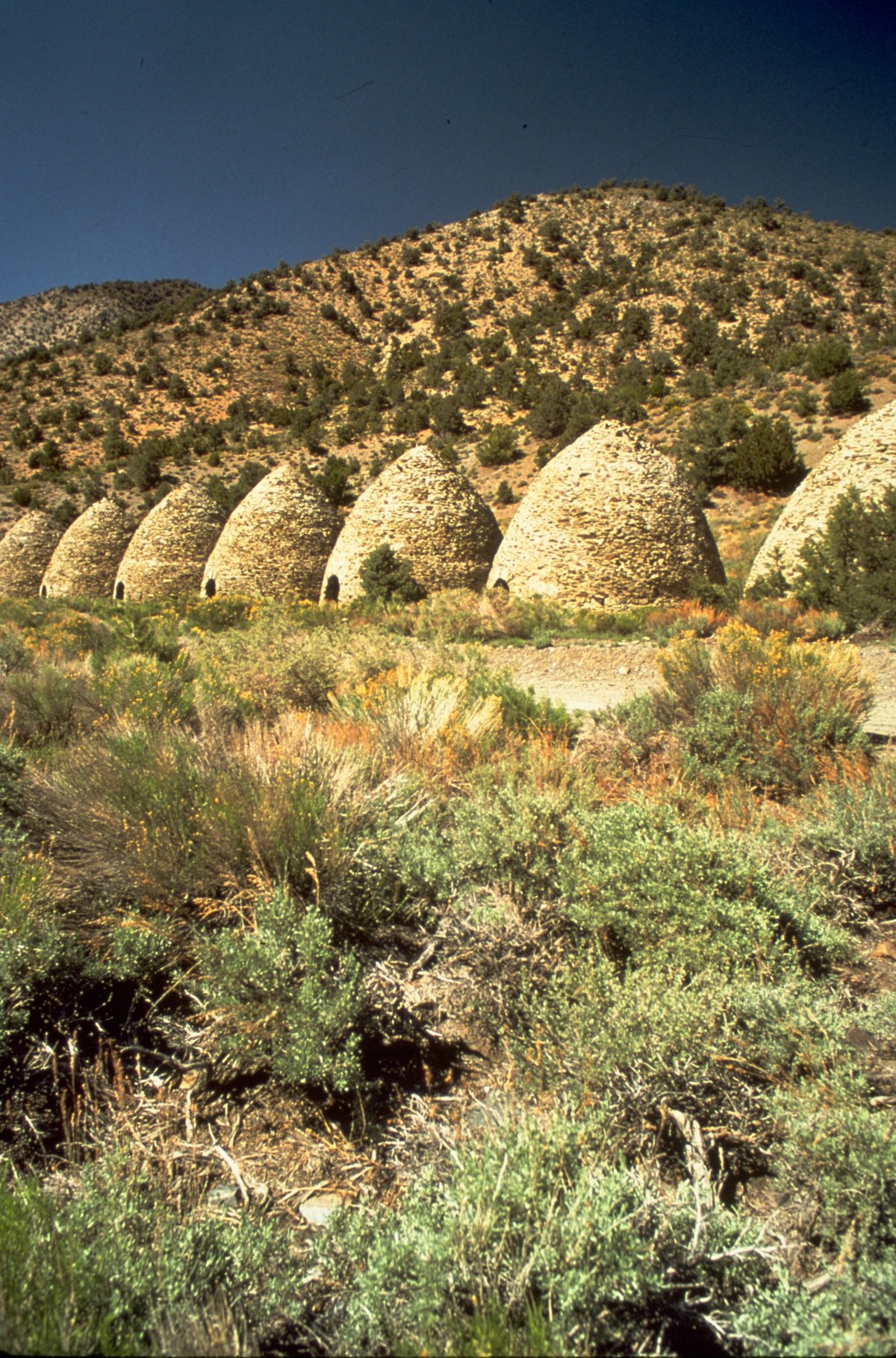
Campground fees vary from one campground to the next, and the park keeps them on a separate campground page, so check the current amount before you build your sum. The park service also runs free-entrance days for US citizens and residents each year, and the fee page lists them, so look before you pay.
A lot of the best of Death Valley is free once you are inside the gate. You drive to viewpoints, walk short trails and watch the light change on the badlands. That makes it good value per day.
Best for: drivers who like big, empty scenery and a short list of fees. Skip it if: you want something to do indoors on a rainy day, because the park has little of that.
Everglades National Park, Florida
For a warm winter at a gate price, the Everglades is hard to beat. The park’s fee page lists $35 per private vehicle, valid seven days, with a park-only annual pass at $70. Walkers and cyclists pay $20 each, and kids 15 and under are free. Visitors 16 and older who live outside the US pay an extra $100 each unless they hold an annual pass. The park does not accept cash.
The scenery is flat, wide and quiet. If you have only seen the Everglades in photos, the first time you stand in front of a sawgrass prairie that runs to the horizon changes how you think about Florida. It is a different state from the beach one.
Camping and tours are billed separately, so price those from the operator before you add them to your sum. If you plan to see the park twice in a year, the $70 pass breaks even at two visits ($35 each).
Best for: anyone who wants a warm-weather trip with a low gate fee. Skip it if: you want a beach day, since the park is a wetland and not a shoreline.
Highlands Hammock State Park, Florida
State parks are where Florida gets cheap. The park’s hours and fees page lists entry at $6 per vehicle for up to eight people, or $4 for one person alone. A Family Campground site is $22 a night plus tax (RV sites add a $7 utility fee), and the Primitive Wilderness Campground is $18 a night plus tax with no water or electricity. Reservations add $6.70.
Two people for four nights at a $22 tent site pay $6 plus 4 x $22, so $94 before tax and the reservation fee, or about $47 each. That is the same math as Big Bend, but in Florida winter weather. Use this park as the benchmark: any budget Florida trip should beat $47 a person for four nights, or it is not saving you anything.
Best for: Floridians and snowbirds who want a cheap, calm base. Skip it if: you want nightlife or a beach nearby.
Cranmore Mountain, New Hampshire
Skiing is the one winter trip here where price swings the most. Cranmore’s ticket page lists a single-day adult ticket (ages 13 and up) at $134 on weekends and holidays and $104 midweek, a four-hour ticket at $114 or $94, and twilight skiing at $79. A one-time $5 media fee is added to each lift ticket. The page says buying online ahead of time gives the best price, and that prices rise as the date gets closer.
The sum is simple. A skier who swaps a $134 weekend day for a $104 midweek day saves $30. Swapping it for $79 twilight saves $55. For a pair of skiers over three days, that is a real difference. Holiday pricing applies Dec. 26 to Jan. 2, Jan. 16 and 17, and Feb. 13 to 20, so avoid those if you can.
Here in New England, the cheap way to ski is no secret: go midweek. The lines are shorter, the trails are the same, and you pay less. Twilight skiing runs 2 to 8 p.m. on scheduled dates with limited beginner terrain, so it is a better fit for people who already ski.
Best for: flexible skiers who can go midweek. Skip it if: your only free days are holiday weekends, since that is the highest price on the page.
Where winter trips get expensive
The fee is rarely the problem. Three things move the total: the date, the drive and the bed. Dates first. Holiday weeks are the highest-priced days at ski areas, and campgrounds in popular parks fill up on winter weekends. Midweek beats weekend almost everywhere.
The drive is next. A $16 campsite sounds like a steal until you price the gas to get there. Say your round trip comes to 1,200 miles: divide that by your car’s miles per gallon, multiply by the local gas price, and add the result to the sum. The last is the bed. If you are not a camper, check the operator’s own lodging page for rates, and compare them to the campsite figure in the table.
If you want to see what a trip looks like when money is less of a concern, our guide to the best winter vacations in the USA covers eleven options, and the warm winter vacations list covers sunny picks from Hawaii to Puerto Rico.
Frequently asked questions about budget winter vacations
What is the cheapest winter vacation in the USA?
A car trip to a desert national park with a campsite. Big Bend’s $30 gate and $16 campsite is the lowest nightly cost I found on the operator’s pages, so start there if you live within driving distance.
Is the America the Beautiful pass worth it for a winter trip?
It is worth it if you will visit three or more parks. At $80 for US residents, it beats three $30 to $35 gates. For one park, pay the gate and skip the pass.
How do I cut the cost of a ski trip?
Go midweek, buy online ahead of time and look at twilight tickets. At Cranmore that moves a day from $134 to as low as $79, and it avoids the holiday weeks listed on the ticket page.
When should I book campsites for winter?
As soon as your dates are firm. Big Bend requires reservations on recreation.gov, and Joshua Tree’s $30 to $35 sites are booked there too. Winter is peak season for the desert parks, so waiting costs you the cheap sites.
This article is general travel information, not financial advice. Check each operator’s page for current prices before you book.
