

Northern France offers travelers a rare blend of culture, history, and unforgettable scenery. Many visitors think first of Paris, and the city deserves its reputation as one of the world’s great destinations. The food, architecture, museums, and warm atmosphere make Paris a place that inspires travelers from every corner of the globe. Yet northern France extends far beyond the capital. The region holds centuries of stories, from medieval conquests to World War II battles that shaped modern Europe. Exploring northern France reveals landscapes filled with cathedrals, ports, fortresses, and coastal towns that carry deep historical meaning.
The beaches of Normandy stand as one of the most significant sites in world history. The events of June 6, 1944, changed the course of the war and remain central to the identity of northern France. The region also includes Viking settlements, medieval trade hubs, and towns connected to figures like Joan of Arc and William the Conqueror. When you explore northern France, you discover a place where every landmark adds to a larger story. This guide highlights 20 must‑see sites that showcase why northern France remains one of Europe’s most compelling regions.
Paris – A Gateway to Northern France
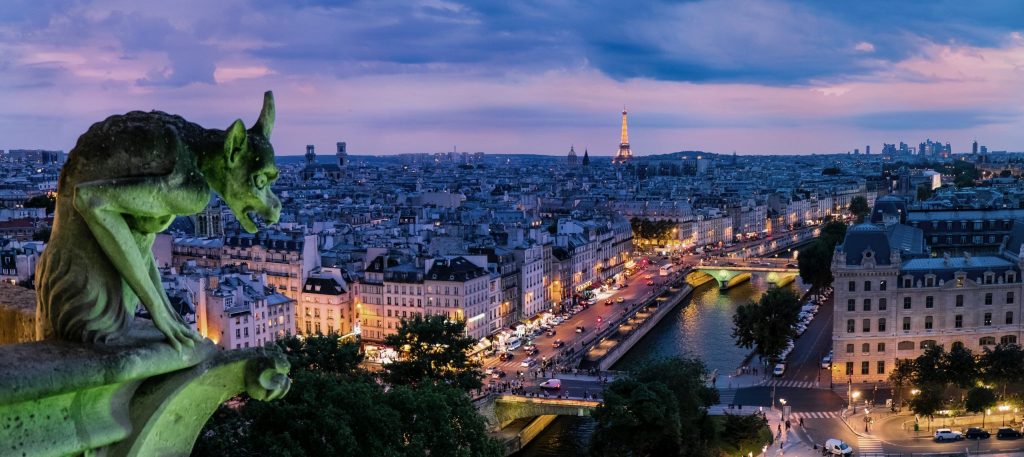
Paris sits at the heart of northern France and remains one of the world’s most influential cities. The region was first settled by the Parisii, a Celtic tribe that thrived along the Seine. The Romans conquered the area in 52 BC and built the city of Lutetia, which later evolved into Paris. Today, Paris stands as a global center of art, fashion, science, and culture. Its museums, monuments, and neighborhoods offer endless opportunities for exploration.
Eiffel Tower – Icon of Northern France

The Eiffel Tower has captivated visitors since 1889. Rising 324 meters above the city, the tower offers sweeping views from its observation decks. Visitors can climb the stairs or take elevators to reach the upper levels. Two floors feature restaurants that allow guests to enjoy Parisian cuisine with unmatched views. The Eiffel Tower was once the tallest building in the world and remains a defining symbol of northern France.
Louvre Museum
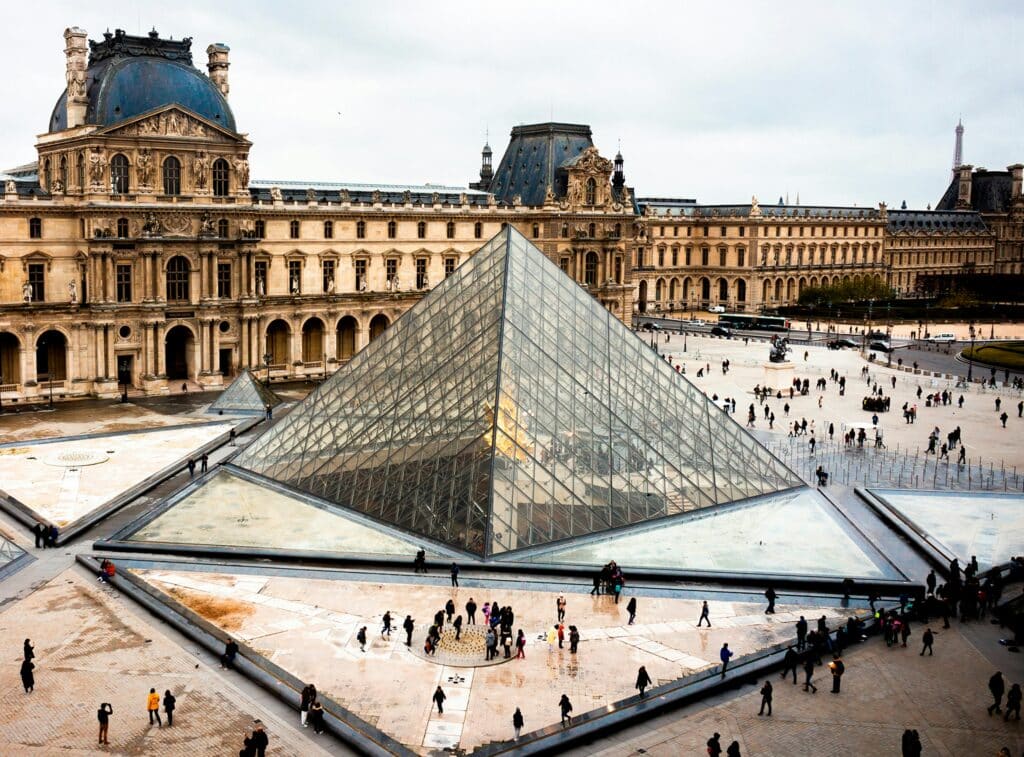
The Louvre is the world’s largest art museum and a cornerstone of northern France’s cultural identity. It houses more than 38,000 works, including the Mona Lisa and the Venus de Milo. The museum sits within the former Louvre Palace, a fortress built over 900 years ago. Walking through its galleries offers a journey through thousands of years of artistic achievement.
Notre‑Dame Cathedral

Notre‑Dame stands as one of the most recognized Gothic cathedrals in Europe. Its flying buttresses, gargoyles, and sculpted doors reflect centuries of craftsmanship. The cathedral includes multiple chapels and two iconic towers that overlook the Seine. Notre‑Dame remains a central landmark in northern France and a testament to medieval architecture.
Palace of Versailles

Versailles showcases the grandeur of French royalty. Originally a hunting lodge, the palace grew into one of Europe’s most lavish residences. The Hall of Mirrors features 357 mirrors and 17 arches that reflect the gardens outside. Visitors can explore the palace’s art collections, manicured grounds, and museum dedicated to French history. Versailles remains one of northern France’s most impressive cultural sites.
Rouen – Medieval Capital of Northern France
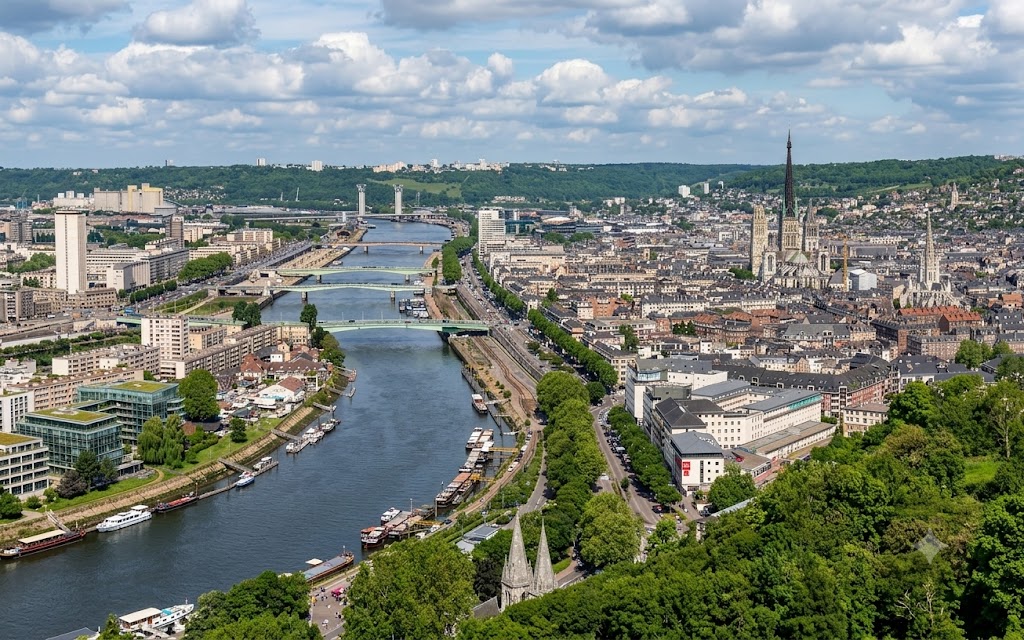
Rouen is the capital of Normandy and one of the most important cities in medieval northern France. Many visitors know Rouen as the place where Joan of Arc was executed, but the city’s history extends far beyond that moment. Rouen served as the Exchequer of Normandy and was the capital of the Anglo‑Norman dynasties that ruled large parts of France and England between the 11th and 15th centuries. Its streets and buildings reflect centuries of political and cultural influence.
Church of Saint Joan of Arc

Located in Rouen’s city center, the Church of Saint Joan of Arc honors the legacy of the French heroine. Built in 1979, the church features a striking design inspired by an upturned Viking boat. The structure stands on the site where Joan of Arc was burned at the stake. Visitors can explore the church’s modern architecture and learn more about her life and impact on northern France.
Rouen Cathedral – Gothic Masterpiece of Northern France

Rouen Cathedral is the tallest cathedral in France and a highlight of northern France’s architectural heritage. Its origins date back to 396, though the structure has been rebuilt several times due to Viking raids and fires. The current cathedral showcases Flamboyant Gothic design and was famously painted by Claude Monet. Its towers, arches, and detailed façade make it one of the most impressive religious buildings in Europe.
Church of Saint‑Maclou

Saint‑Maclou is another example of Flamboyant Gothic architecture in Rouen. Construction began in 1436 and finished in 1521. The church features intricate carvings, pointed arches, and a dramatic exterior that reflects the artistic style of northern France during the late Middle Ages. Visitors often admire its symmetry and craftsmanship.
Honfleur – A Historic Port of Northern France
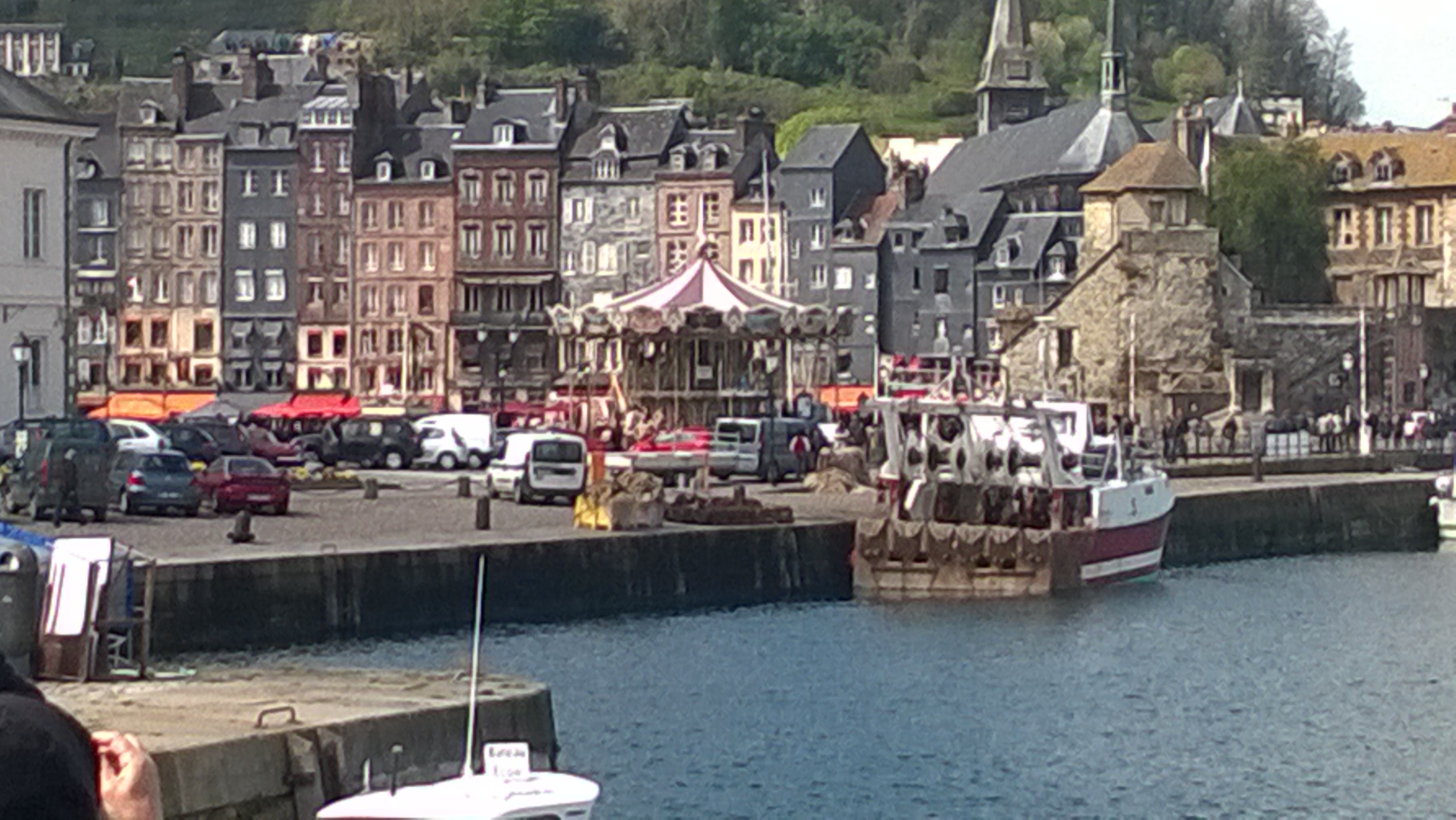
Honfleur sits along the Seine estuary and remains one of the most picturesque towns in northern France. Its harbor played a major role in medieval trade between Normandy and England. Today, Honfleur continues to operate as a port and attracts travelers with its charming waterfront, narrow streets, and preserved architecture.
Saint Catherine’s Church

Saint Catherine’s Church is one of Honfleur’s most unique landmarks. Built in the 15th century after the Hundred Years War, the church was constructed entirely by naval craftsmen. They used shipbuilding techniques and avoided saws, creating an interior that resembles an upside‑down hull. The church honors Saint Catherine of Alexandria and remains a highlight of northern France’s coastal heritage.

Lieutenance d’Honfleur

The Lieutenance is one of the last surviving structures from Honfleur’s medieval fortifications. It once served as the residence of the King’s lieutenant in the 17th century. The building marks the entrance to the old harbor and reflects the town’s strategic importance in northern France’s maritime history.
Bayeux – Home of the Norman Conquest

Bayeux is best known for its World War II museums, cemeteries, and the famous Bayeux Tapestry. The town dates back to the first century and played a major role in the Norman conquest of England. Its landmarks offer insight into medieval politics and the events that shaped northern France.
Bayeux Cathedral

Consecrated in 1077, Bayeux Cathedral is a Roman Catholic church connected to William the Conqueror. It is the site where Harold Godwinson swore an oath of fealty to William, an oath he later broke. This betrayal led to the Battle of Hastings and William’s rise as King of England. The cathedral remains a central landmark in northern France’s medieval history.
Bayeux Tapestry

The Bayeux Tapestry is a 230‑foot embroidered cloth that depicts the Norman conquest. It includes 50 scenes and is believed to have been created by Queen Matilda, William’s wife. The tapestry offers a detailed visual record of the events leading to the Battle of Hastings. It remains one of northern France’s most important cultural treasures.
Bayeux War Cemetery

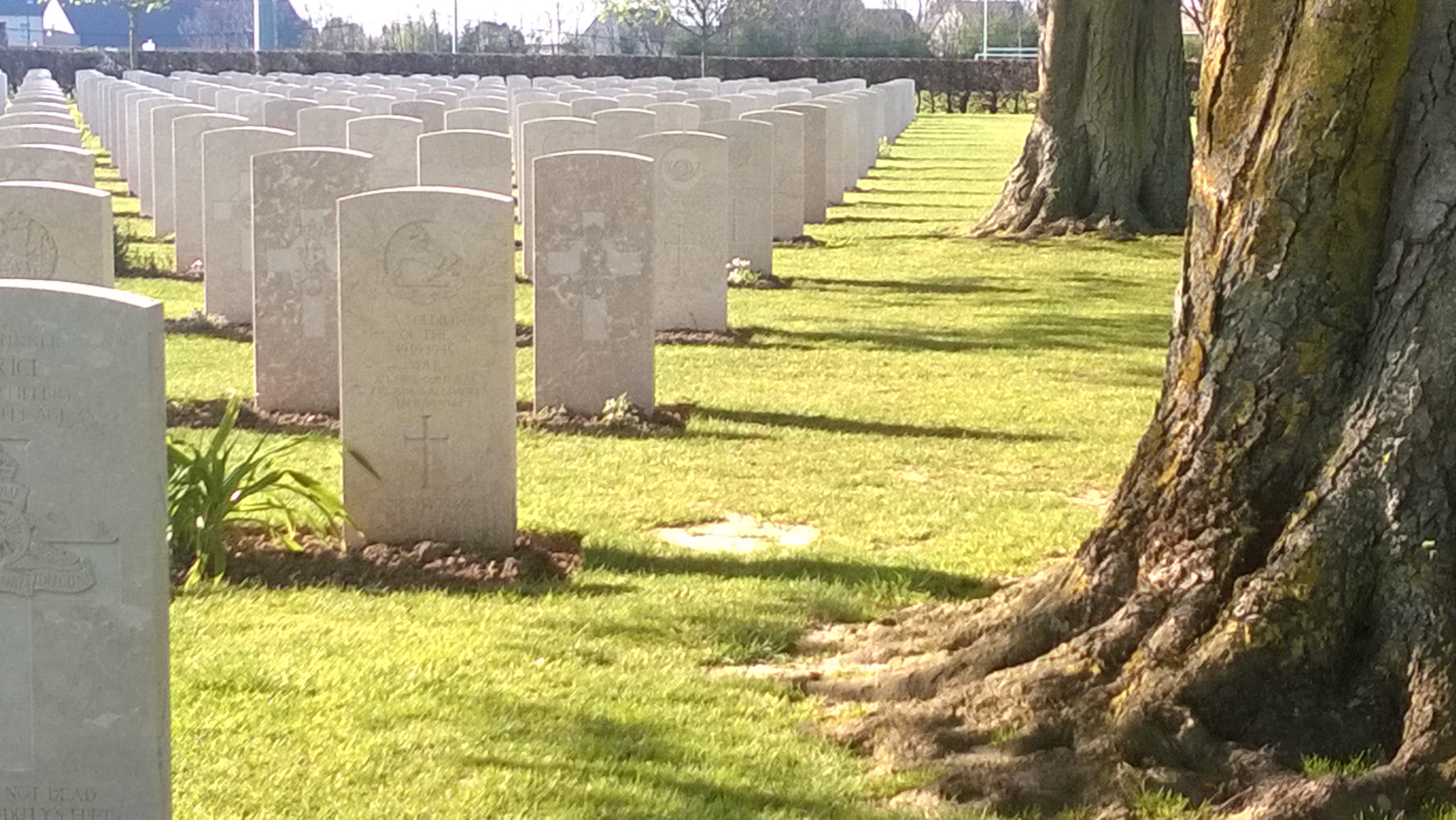
The Bayeux War Cemetery is the largest British cemetery in France. It honors soldiers who died during the Normandy invasion. The grounds include 3,935 British graves and 466 German graves. The cemetery reflects the sacrifices made during the liberation of northern France and remains a solemn place of remembrance.
Omaha Beach – Turning Point in Northern France

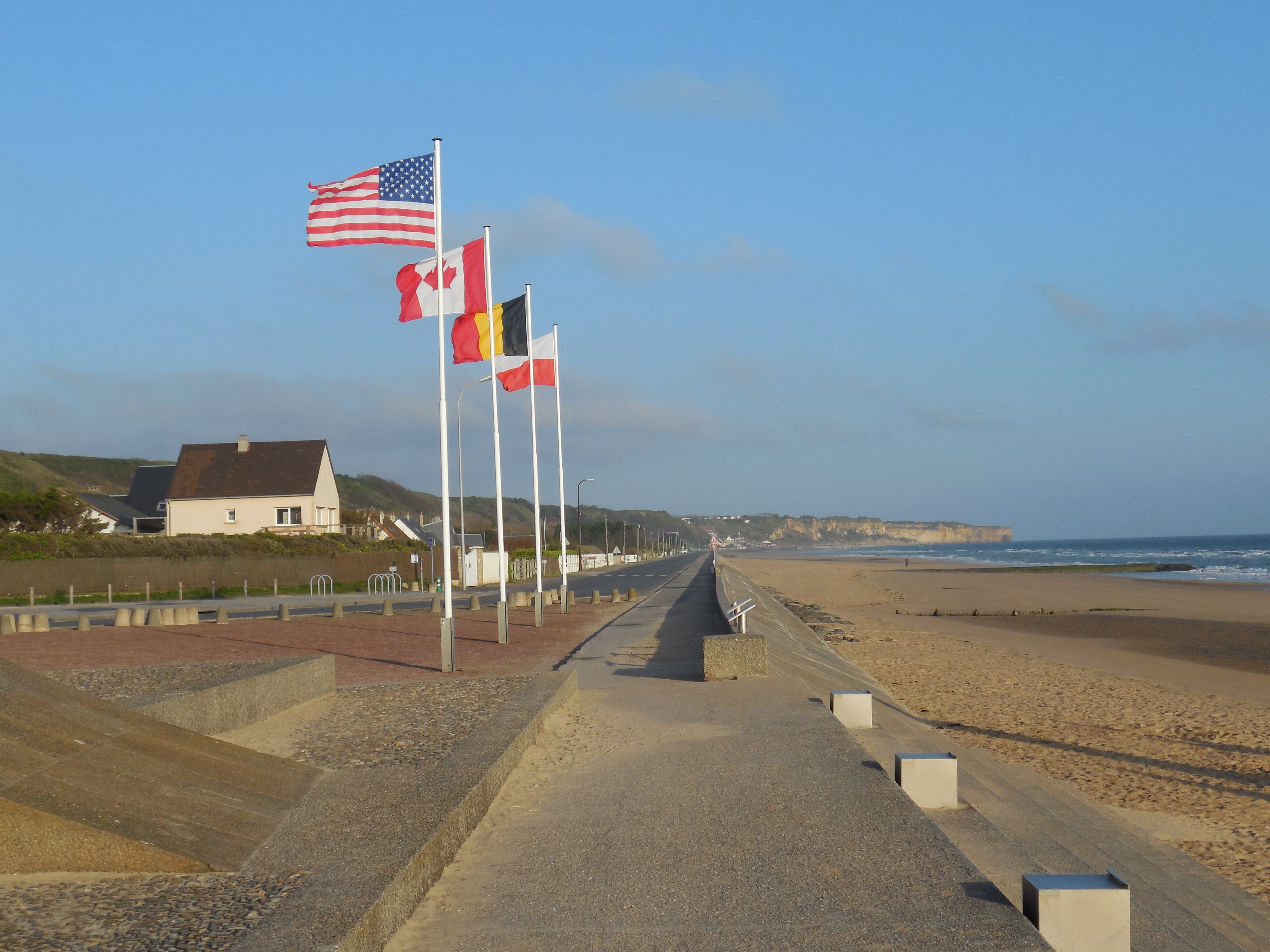
Omaha Beach is one of the most significant sites in northern France. On June 6, 1944, American forces landed here as part of the D‑Day invasion. The battle was intense, and the first assault waves suffered heavy casualties. Estimates range from 2,000 to 5,000 American losses, while German casualties remain uncertain. Omaha Beach symbolizes courage, sacrifice, and the beginning of Europe’s liberation.
American Cemetery at Omaha Beach

The American Cemetery honors 9,387 American soldiers who died during World War II. The land was granted to the United States in perpetuity. The cemetery overlooks Omaha Beach and includes a memorial, reflecting pool, and rows of white crosses. It remains one of northern France’s most moving sites.

Arromanches – Engineering Triumph of Northern France

Arromanches played a vital role immediately after D‑Day. The Allies built a Mulberry harbor here using blockships and 146 concrete caissons. This artificial port allowed more than 9,000 tons of supplies to land each day. Visitors can explore the D‑Day Museum and view remnants of the harbor along the coast. Arromanches highlights the strategic innovation that helped liberate northern France.

Saint Malo – Corsair City of Northern France

Saint Malo is a walled port city in Brittany with roots dating back to the first century. It is known for its corsairs, who conducted raids on enemy ships with royal approval. The city’s fortifications, tidal islands, and historic buildings reflect its maritime strength and cultural identity.
Fort National

Fort National sits on a tidal island outside Saint Malo’s walls. Built in the 17th century, the fort served as a lighthouse and a site for public executions. Visitors can reach it during low tide and explore its stone structure. The fort remains a symbol of northern France’s coastal defenses.
Fort du Petit Bé

Petit Bé is another tidal fort accessible during low tide. Built in 1667, it features a horseshoe‑shaped battery with 15 guns. The fort protected Saint Malo from naval attacks and remains an impressive example of northern France’s military engineering.
Saint-Malo Cathedral

Saint‑Malo Cathedral was built between 1146 and 1163 and is dedicated to Saint Vincent of Saragossa. The cathedral has been restored after World War II damage and remains a national monument. Its Romanesque and Gothic elements reflect the architectural heritage of northern France.
Mont Saint‑Michel – Icon of Northern France

Mont Saint‑Michel rises dramatically from the tidal flats of Normandy’s coast. The island has served as a monastery, garrison, and prison throughout its history. Its fortified walls, steep streets, and towering abbey create one of the most recognizable silhouettes in northern France. The site is a UNESCO World Heritage location and attracts millions of visitors each year.
Mont Saint-Michel Abbey

The abbey sits at the top of the island and dates to the 11th century. Its Romanesque design required extensive engineering, including underground crypts and chapels that support the structure. The abbey remains a masterpiece of medieval architecture and a highlight of northern France’s spiritual heritage.