

Grand Canyon National Park hits you fast. You walk up to the rim, look down, and your brain briefly forgets how scale works. The canyon stretches forever. The colors shift every second. The silence feels loud. You came for views, but you stay because the place rewires your sense of adventure. You want a clear plan for exploring Grand Canyon National Park with confidence. You want to know the best spots, the right timing, and the smart moves that keep the trip smooth.
You’re not here for fluff. Think of this as your starting point. Grand Canyon National Park isn’t complicated, but it demands awareness. You need to know where you’re going, how you’re getting there, and what each area offers. When you understand the structure of the park, every decision becomes easier and every stop feels intentional. This guide gives you all of that. It’s direct, practical, and built for travelers who want to squeeze every drop of joy out of one of America’s most iconic landscapes.
1. Know Your Rim: South vs. North vs. West
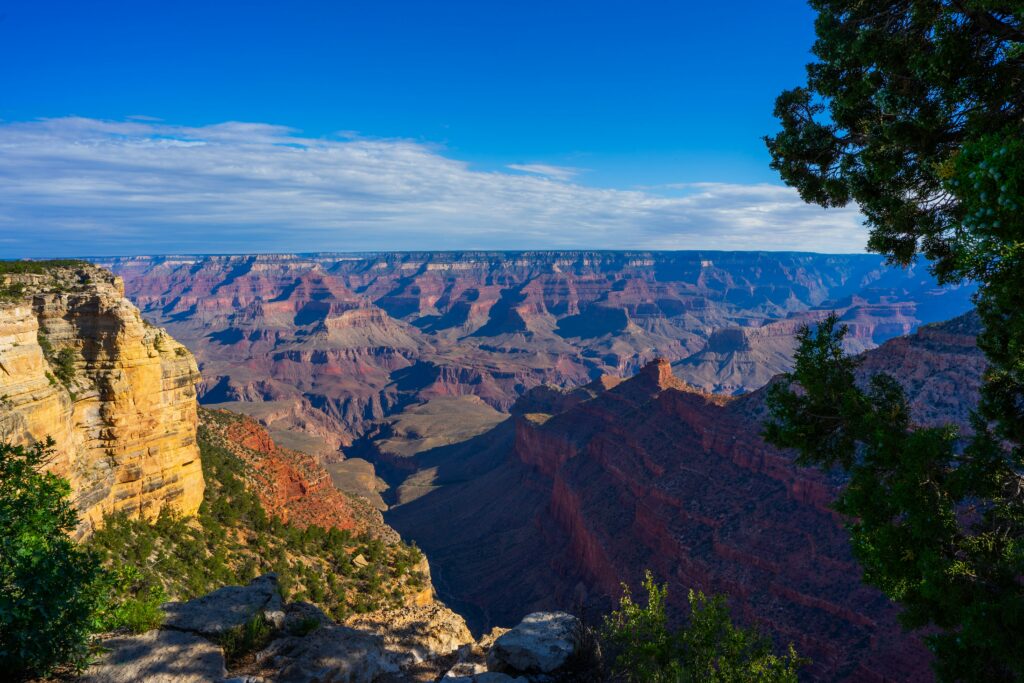
Your first move is choosing your rim. Grand Canyon National Park isn’t a simple destination. It’s a giant puzzle with three main entry points, each with its own personality. The South Rim is the classic choice. It’s open year‑round, packed with viewpoints, and easy to navigate. You get restaurants, shuttles, and paved paths. You also get crowds. Lots of them. If you want iconic postcard shots, this is your rim. Just arrive early and stay late.
The North Rim is a quiet sibling. It sits higher, feels cooler, and offers fewer visitors. You get big views without big noise. The catch is access. It’s open only from mid‑May to mid‑October. If you want solitude, this is your move. The West Rim is different. It’s home to the Skywalk and sits outside the main park. It’s fast, flashy, and built for quick visits. Choose your rim based on your style. Pick wrong and you’ll feel it all day.
2. Master the Viewpoints Like a Pro
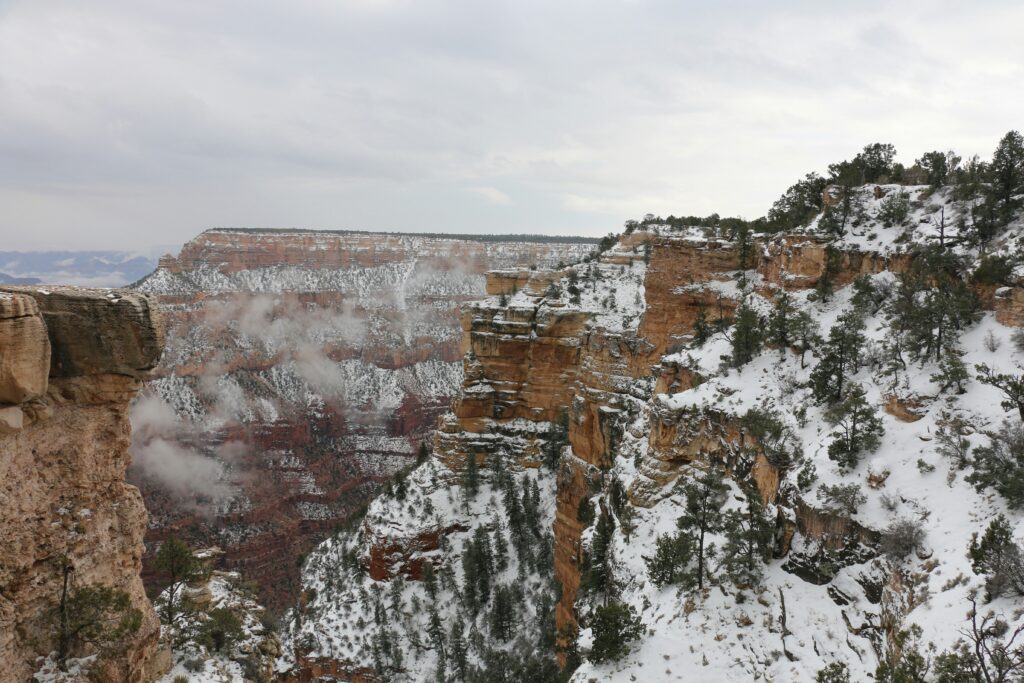
Viewpoints are the heart of Grand Canyon National Park. You can wander without a plan, but you’ll miss the best angles. Start with Mather Point. It’s the gateway view and hits hard. Move to Yavapai Point for geology lessons and wide panoramas. Then hit Hopi Point for sunset. These three give you a full spectrum of canyon color. They also give you space to breathe if you time it right. Early morning is your friend.
If you want deeper cuts, head to Shoshone Point. It’s a short walk to a quiet overlook. You get huge views without huge crowds. Lipan Point is another winner. It gives you river views and long sightlines. The trick is simple. Don’t chase every viewpoint. Pick a handful and enjoy them slowly. The canyon rewards patience. Stand still. Watch the light shift. Let the place work on you.
3. Hike Smart: Choose Trails That Match Your Energy
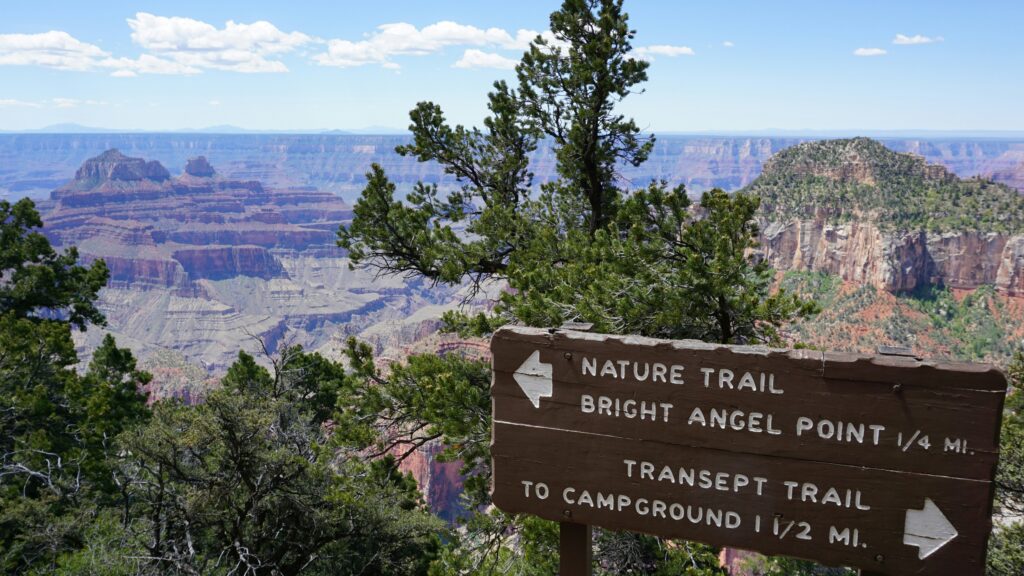
Hiking in Grand Canyon National Park is a commitment. The canyon tricks you. Down feels easy. Up feels like a negotiation with gravity. You need a plan before you step onto any trail. Bright Angel Trail is the classic route. It’s well maintained and has water stops. You can hike a short section and still get great views. South Kaibab Trail is steeper and more dramatic. You get ridge walks and sweeping vistas. You also get no water. Bring more than you think you need.
If you want a quick win, try the Rim Trail. It’s flat, simple, and packed with views. You can walk a mile or ten. The trail gives you freedom without punishment. For deeper adventure, head to the North Rim’s Widforss Trail. It mixes forest and canyon views. It also gives you quiet. Pick your trail based on your energy. Don’t chase hero hikes. The canyon doesn’t care about your ego.
4. Time Your Visit for Maximum Impact
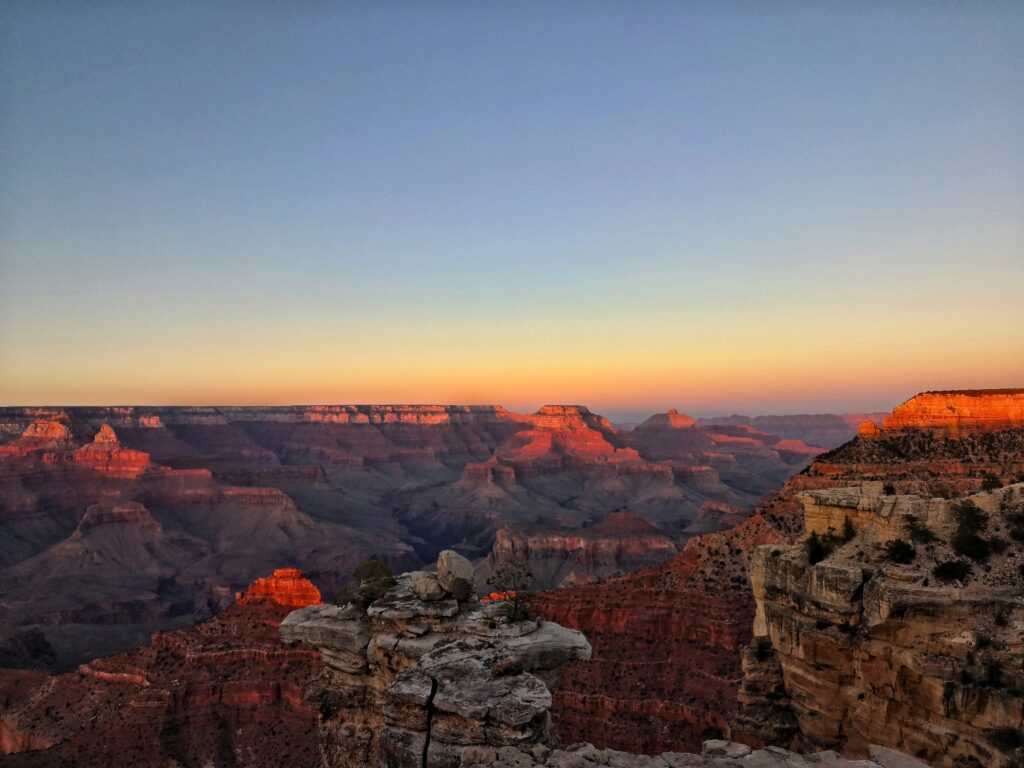
Timing matters more than you think. Grand Canyon National Park changes with the seasons. Summer brings heat and crowds. Winter brings cold and silence. Spring and fall hit the sweet spot. You get mild temperatures and manageable traffic. If you want the best experience, aim for sunrise or sunset. Sunrise gives you calm air and soft color. Sunset gives you drama and long shadows. Both give you fewer people.
Your daily timing matters too. Arrive before 8 a.m. and you beat most visitors. Stay after 6 p.m. and you get the canyon almost to yourself. Midday is fine for exploring indoor exhibits or grabbing food. The light is harsh and the crowds peak. Build your day around the sun. The canyon rewards those who move early and linger late.
5. Navigate the Park Without Stress

Movement inside Grand Canyon National Park can feel chaotic if you don’t plan. The shuttle system is your best friend. It’s free, frequent, and easy. Use it to reach major viewpoints without fighting for parking. If you drive, aim for early arrival. Parking lots fill fast. Keep a backup plan ready. The canyon rewards flexibility.
Food inside the park is simple. You get cafés, general stores, and a few sit‑down spots. Nothing fancy. Bring snacks. Bring water. Bring layers. The weather shifts fast. One minute you’re warm. The next you’re cold. The trick is preparation. Pack light but smart. You’ll move easier and enjoy more.
6. Stay Close to the Action
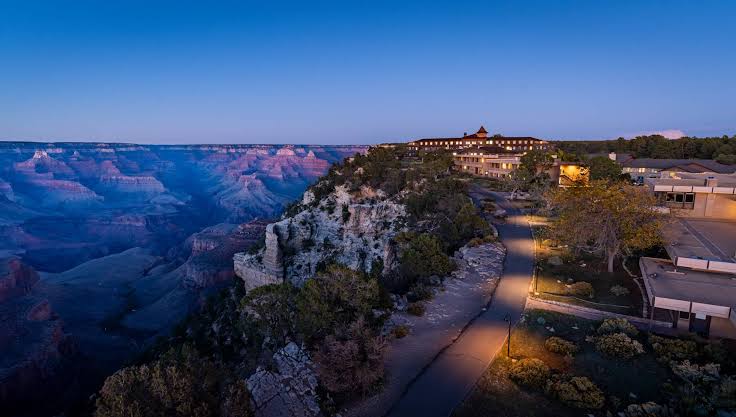
Lodging inside Grand Canyon National Park is a power move. You wake up near the rim. You walk to sunrise. You skip traffic. The South Rim offers several options. El Tovar is historic and elegant. Bright Angel Lodge is cozy and classic. Yavapai Lodge is practical and modern. All give you quick access to viewpoints. Book early. Rooms fill months ahead.
If you stay outside the park, choose Tusayan. It’s close and convenient. You get restaurants, shops, and quick shuttle access. The North Rim has fewer choices. The Grand Canyon Lodge is the main option. It gives you cabins and canyon views. Pick lodging based on your style. Comfort helps you enjoy the canyon more.
7. Build a Simple, Effective Itinerary
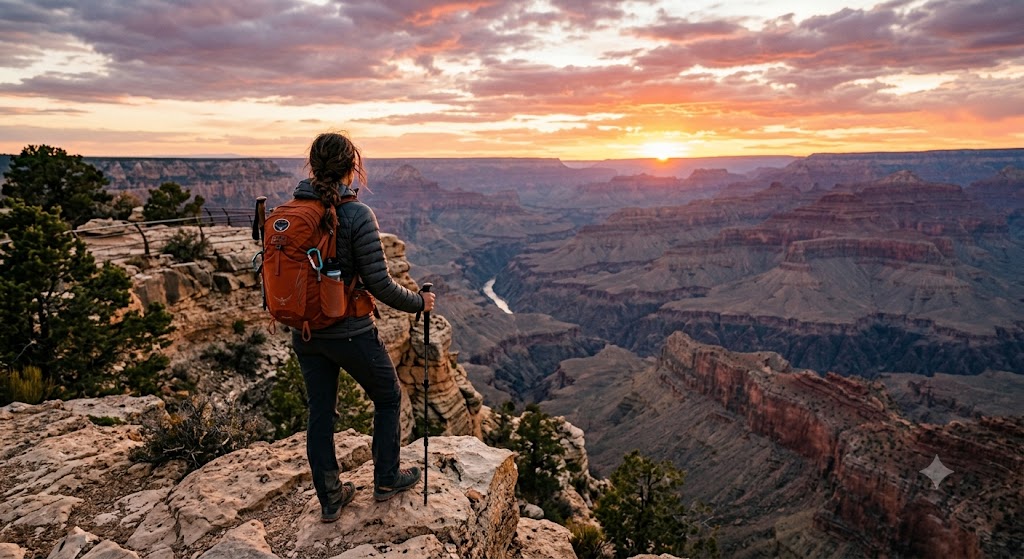
Your itinerary should be tight and flexible. Start with sunrise. Pick a viewpoint and watch the canyon wake up. Move to a short hike. Choose Bright Angel or Rim Trail. Grab lunch near the visitor center. Spend the afternoon exploring viewpoints. Use the shuttle to hop between them. End with sunset at Hopi Point or Lipan Point.
If you want more adventure, add a second hike. Choose South Kaibab for drama. Choose Widforss for quiet. Keep your schedule simple. The canyon isn’t a checklist. It’s an experience. Leave space for wandering. Leave space for sitting. Leave space for awe.
8. Add Offbeat Experiences for Extra Fun
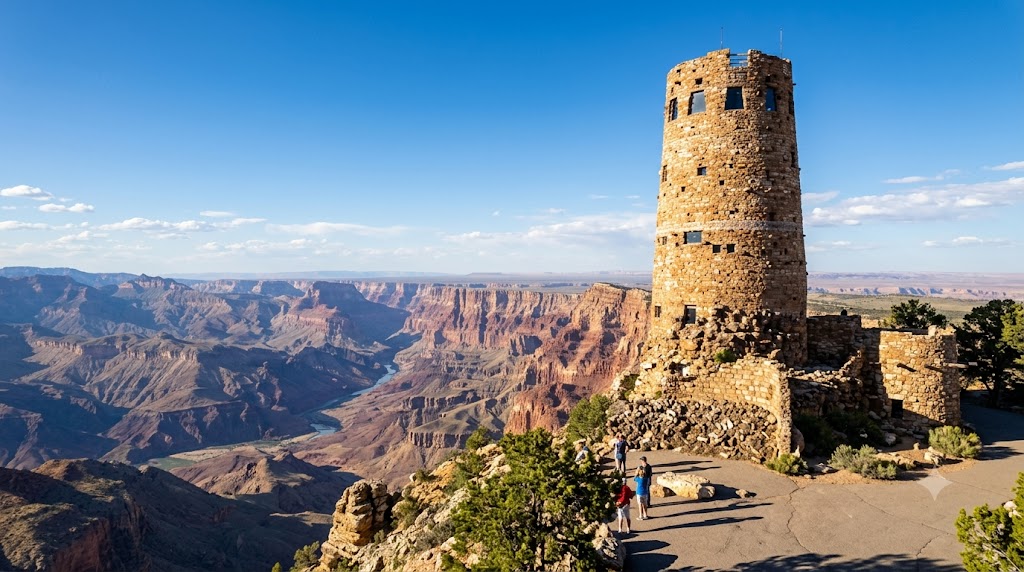
Grand Canyon National Park has oddball gems. Visit the Yavapai Geology Museum for a quick crash course in canyon formation. Stop by Desert View Watchtower for art and architecture. Walk the Trail of Time for a hands‑on geology lesson. These spots add depth to your trip.
If you want something quirky, hunt for ravens. They’re smart, loud, and hilarious. Watch them steal snacks. Watch them judge tourists. They add personality to the canyon. You can also explore lesser‑known viewpoints like Moran Point or Pima Point. They give you fresh angles and fewer people. Mix classic stops with weird ones. You’ll remember the weird ones longer.
Wrapping It Up
Grand Canyon National Park rewards curiosity. It rewards early mornings, smart planning, and a willingness to wander. You don’t need to do everything. You just need to do the right things. Pick your rim. Pick your viewpoints. Pick your hikes. Then let the canyon take over. It’s big, bold, and unforgettable. This guide gives you the tactics. The canyon gives you the magic.
