

Accessibility isn’t one thing. It’s a stack of separate systems that all have to work together: paved trails, boardwalks, accessible shuttles, ADA-compliant restrooms, captioned films, braille guides, sand wheelchairs, cave tours built around mobility devices. Most national parks get one or two of these right and leave the rest to chance. A small handful get most of them right at once. This guide treats those parks like targets, not a bucket list. You’ll get seven of the most reliably accessible parks in the country, plus the specific tactics that make each one work. Don’t just show up and hope. Use this like a strategy guide. Check the sections that match your needs — wheelchair users, low-vision travelers, Deaf and hard-of-hearing visitors, anyone managing limited stamina — and build your trip around the tactics, not the scenery alone. Scenery is the reward. Planning is the work. This piece focuses on seven parks with documented accessibility infrastructure: Yellowstone, Acadia, Yosemite, Grand Teton, Sequoia & Kings Canyon, Great Sand Dunes, and Mammoth Cave. Each section below breaks down what actually works on the ground, what to book ahead of time, and what to skip. Treat every tactic as something you confirm directly with the park before you travel, since conditions and closures shift season to season.
1. Yellowstone: Use the Boardwalks, Not the Backcountry
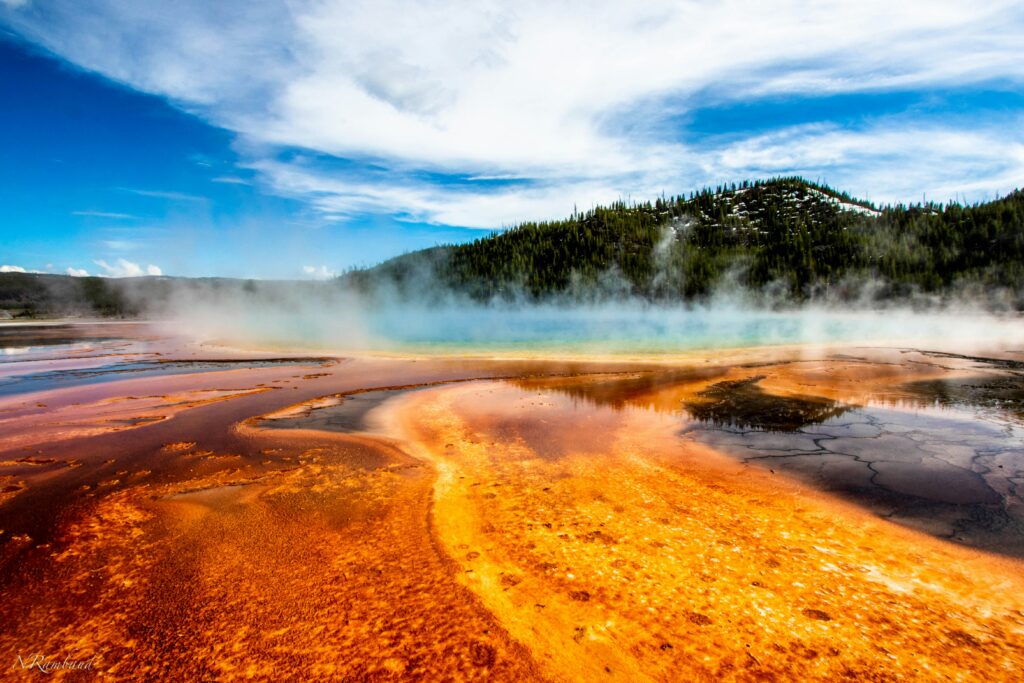
Start with the boardwalks. Yellowstone‘s geothermal features sit behind a network of raised, wheelchair-navigable boardwalks, and the half-mile loop near Old Faithful is the single best example in the park. Roll it. Don’t skip it for a “shorter” dirt path nearby — the boardwalk is the accessible option, and the dirt paths usually aren’t.
Book ranger programs in advance if you need ASL interpretation. Yellowstone offers ASL interpreters for select ranger-led programs, but you generally need to request one ahead of your visit, not on arrival. Do the same for captioned or audio-described films at the visitor centers. Pick up a braille or large-print park guide at the entrance if you’re low-vision — both formats exist, but supply is limited, so ask early in your visit rather than late.
Treat the backcountry as a bonus, not the plan. Wheelchairs are technically permitted on backcountry trails and at sites like Natural Bridge and Lone Star Geyser, but surfaces are uneven and unmaintained. Use these only if you’re already comfortable off pavement. For everyone else, stick to the boardwalk system and the paved overlooks near Old Faithful and Mammoth Hot Springs.
2. Acadia: Let the Carriage Roads Do the Work
Acadia’s advantage is infrastructure most parks simply don’t have: 45 miles of paved carriage roads built over a century ago, now doubling as some of the most reliable accessible terrain in the entire park system. Book a seat on one of Wildwood Stables’ wheelchair-accessible carriages if you want the scenery without pushing a single mile yourself.
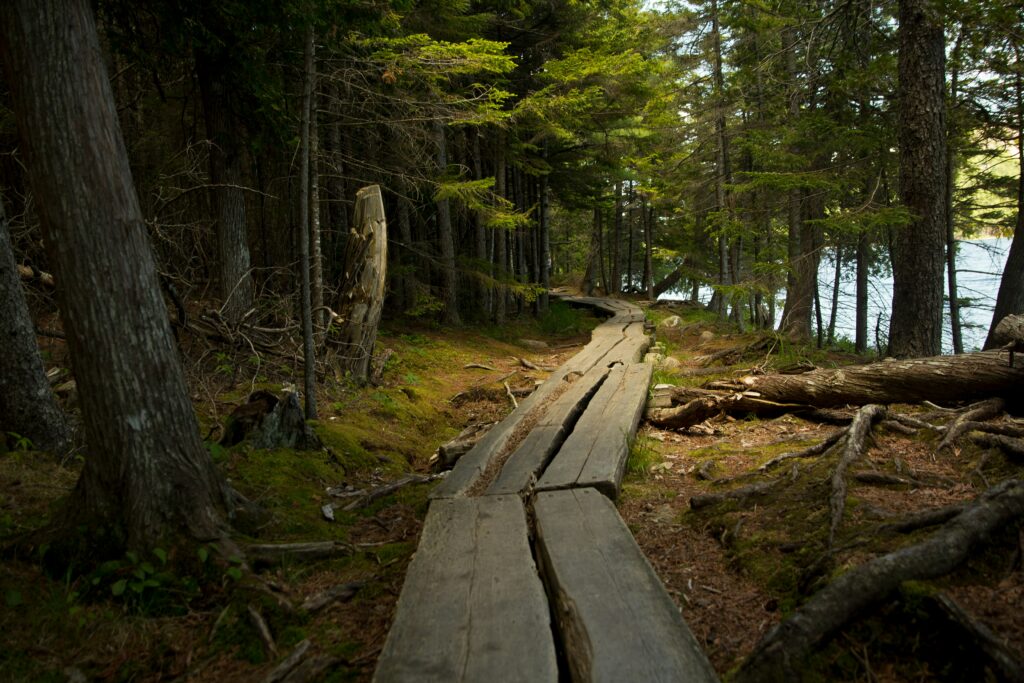
Prioritize two specific stops. Jesup Path is a boardwalk that runs through a white birch forest — flat, shaded, and manageable in almost any weather. Echo Lake has an accessible beach with dedicated parking, accessible restrooms, and a path that goes straight down to the water. These two locations do more work than anywhere else in the park for a low-effort, high-payoff visit.
Use the Island Explorer shuttle system instead of driving between stops. It’s free, it stops at trailheads and campgrounds throughout the park, and every bus is built for wheelchair riders. This matters most in peak summer months, when parking at popular trailheads disappears fast — the shuttle sidesteps that problem entirely.
3. Yosemite: Stay in the Valley, Rent the All-Terrain Chair

Keep your first day inside Yosemite Valley. The Lower Yosemite Falls Trail and the Cook’s Meadow Loop are both paved and built specifically with wheelchair users in mind, and they put you directly in front of Yosemite Falls and Half Dome without requiring any technical hiking.
Request the all-terrain wheelchair program if you want to go past the pavement. This is the tactic most visitors don’t know exists: Yosemite offers all-terrain mobility devices for use beyond the paved network, opening up rougher ground that a standard wheelchair can’t handle. Ask about it when you book, not when you arrive — availability is limited.
Ride the ADA-compliant shuttle to skip parking entirely. Shuttles run to Yosemite Falls, El Capitan viewpoints, and other major stops, and they’re built for wheelchair access from the ground up. Combine this with a stay at Yosemite Valley Lodge, which maintains accessible rooms, if you want to minimize transfers between your bed and the trail.
4. Grand Teton: Chase the Asphalt Trails
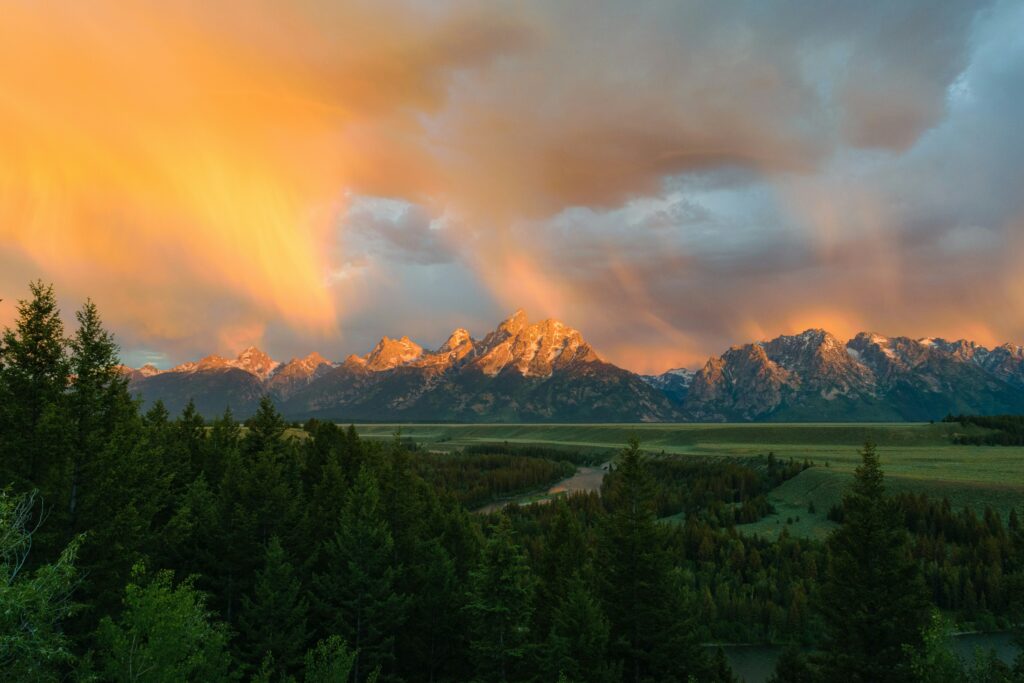
Grand Teton’s accessible network is smaller than Yellowstone’s but more concentrated. Focus on four specific paved routes: the Colter Bay headwall, the Jackson Lake Dam overlook, the Menors Ferry Historic District, and the Jenny Lake shore trail. All four run on asphalt and put you close to the water without demanding rough terrain.
Call the visitor centers before booking lodging. Accessible restrooms are standard across the park’s information stations, and most lodging facilities include some accessible units — with one notable exception, the American Alpine Club Climber’s Ranch, which does not. Confirm your specific room, not just the property, since “accessible units available” doesn’t guarantee every room type qualifies.
Bring your own assistive technology without hesitation. Grand Teton permits any type of assistive device for park access, which gives you more flexibility here than in parks with narrower equipment rules. Use that flexibility — don’t assume you need to rent something on-site if your own gear already works.
5. Sequoia & Kings Canyon: Drive First, Walk Second
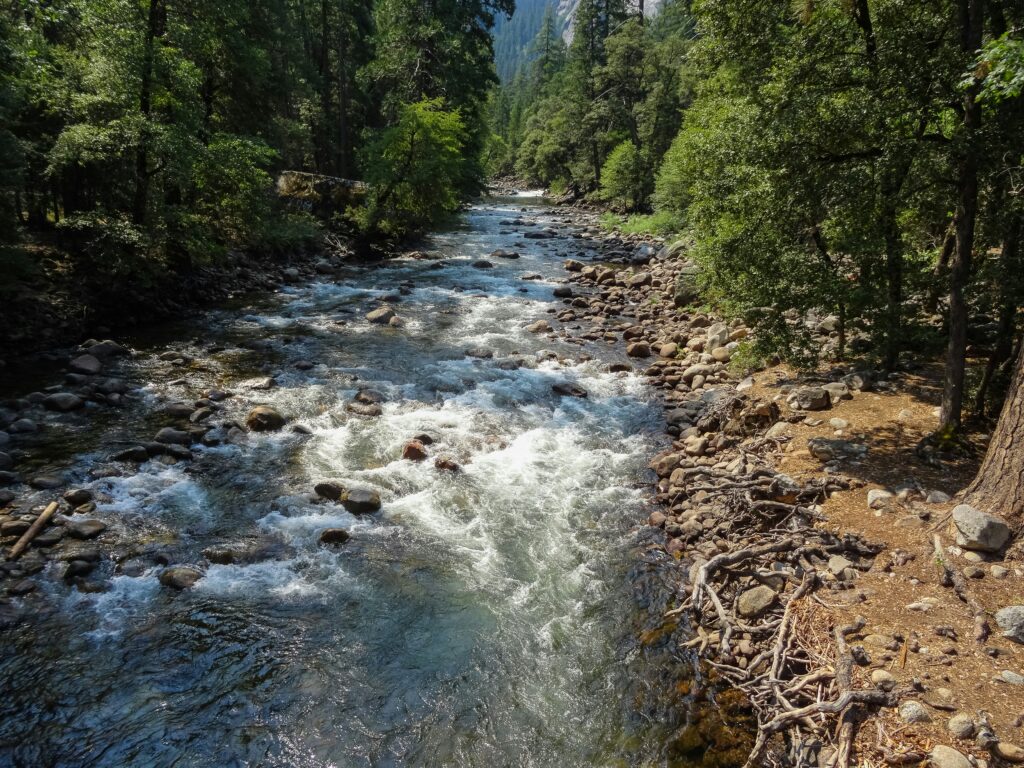
Treat the road itself as your primary accessibility tool. Much of the Giant Forest can be experienced as a drive-by, and the General Sherman Tree has a paved loop leading directly from handicapped parking. If stamina is your main constraint, plan your day around what’s visible from the car and the immediate paved loops around it.
Borrow a wheelchair on-site instead of hauling your own gear across the state. Loaner wheelchairs are available at the Kings Canyon Visitor Center, the Giant Forest Museum, and the Lodgepole Visitor Center. This is worth knowing before you travel — it can simplify a long road trip considerably.
Use your handicap placard for more than parking. A valid placard gets you onto shuttle roads by vehicle, in addition to accessible parking near major sites, which matters in a park where some of the best viewpoints sit well off the main road. The shuttles themselves are also wheelchair accessible, so you’re covered either way.
6. Great Sand Dunes: Book the Sand Wheelchair Early
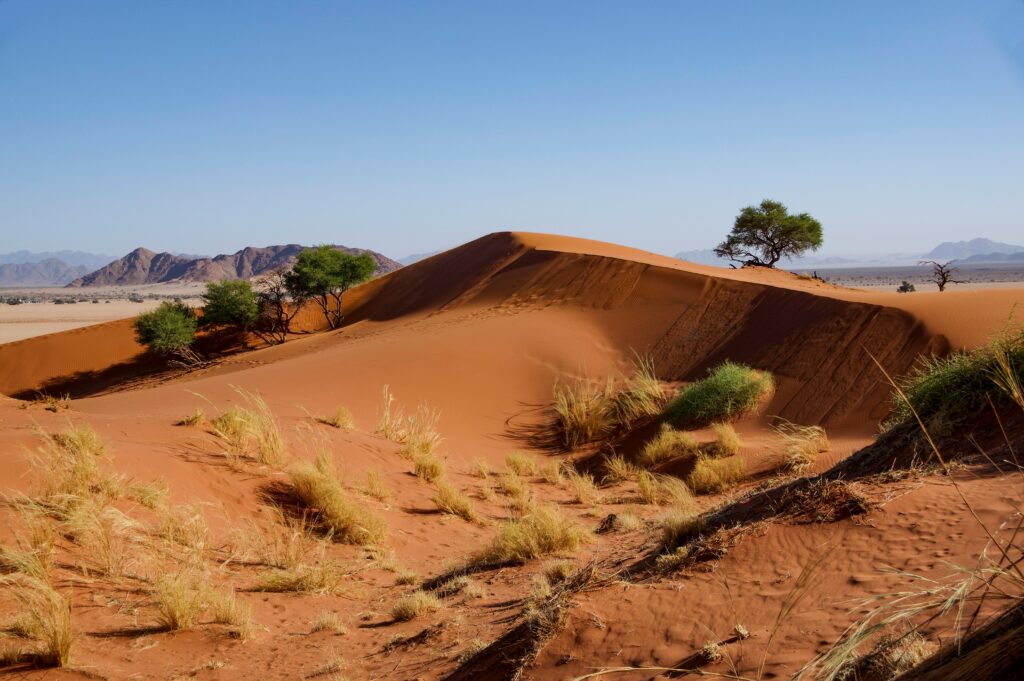
This park requires one specific piece of gear you won’t bring yourself: a balloon-tire sand wheelchair, built to roll across loose sand that would stop a standard wheelchair immediately. Reserve it ahead of your visit — availability is limited, and it’s the single tactic that makes this park’s main attraction possible for wheelchair users at all.
Enter from the dunes parking lot, not from a side trail. The park maintains a smooth, purpose-built transition from the parking area straight to the edge of the sand, which puts you next to Medano Creek with minimal detours.
Set expectations for the dunes themselves. Even with a sand wheelchair, climbing the tallest dunes is a different undertaking than rolling the flat approach near the creek. Plan for the creek and the lower dune edges as your primary destination, and treat any further climbing as optional, weather- and stamina-dependent.
7. Mammoth Cave: Reserve the Accessible Tour by Name
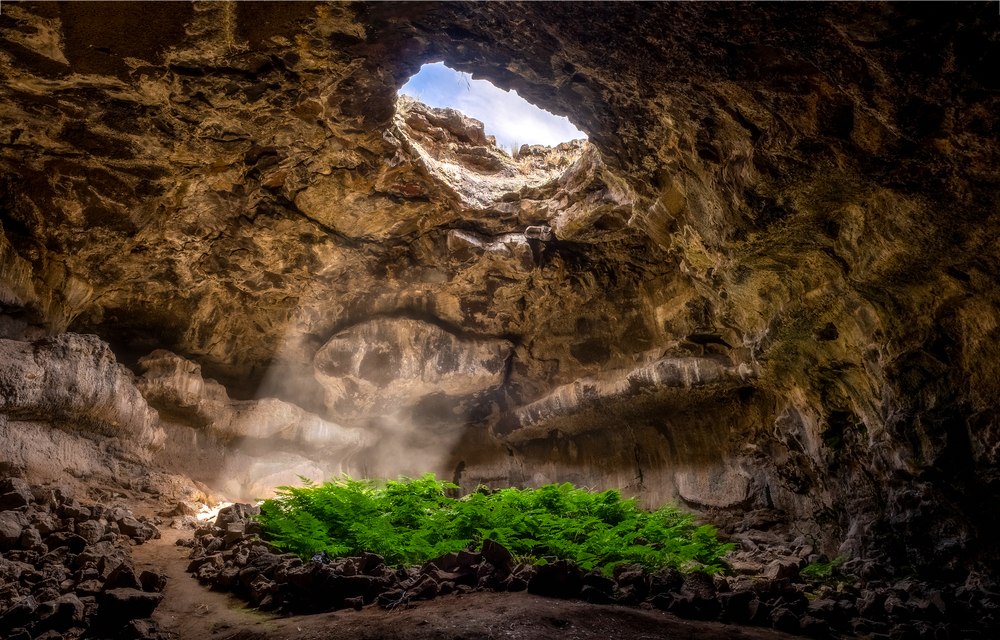
Don’t book a generic cave tour and hope it works. Mammoth Cave runs a specific tour built for visitors using mobility devices, with no stairs along the route and benches placed at intervals. Ask for it by name when you reserve, since standard tours through the same cave system are not built the same way.
Pair the tour with two accessible trails above ground: the Heritage Trail and the Echo River Spring Trail, both usable by wheelchair. If you’re camping, request Sites 37 or 38, which the park maintains as fully accessible campsites.
Request a special use permit ahead of time if you’re bringing a powered mobility device. This isn’t automatic — you apply for it before your visit, and doing so early avoids a scramble at the gate.
