
Have you ever been intrigued by the prospects of the Amalfi Coast? There exists a particular strain of hubris peculiar to travel writing, in which an author, having spent perhaps a fortnight along some sun-drenched littoral, presumes to distill millennia of accumulated civilization into digestible prose, as though Magna Graecia and the Bourbon monarchy and a volcano with an especially poor sense of timing could all be tidied into a rudimentary list. No such promises are made here, what follows is instead is a perambulation through nine points along Italy’s Campanian coast, most prominent among them being the Amalfi Coast, a stretch of land so aggressively picturesque that one begins to suspect the Mediterranean of showing off.
This is a region built on contradictions: Pompeii, a city famous for having stopped, sits an hour from Positano, a town still bustling with fervent tourists and bombastic merchants; Naples produces both pizza margherita and organized crime with equal civic pride; and Capri, once the private pleasure-dome of an emperor with a reputation for creative depravity, is now overrun by day-trippers wielding selfie sticks with comparably single-minded devotion.
In this article, we’ll explore the view from the Amalfi Coast, a region once noteworthy for its strong maritime commerce, that in contemporary times is more regarded for its beauty and history.
Naples
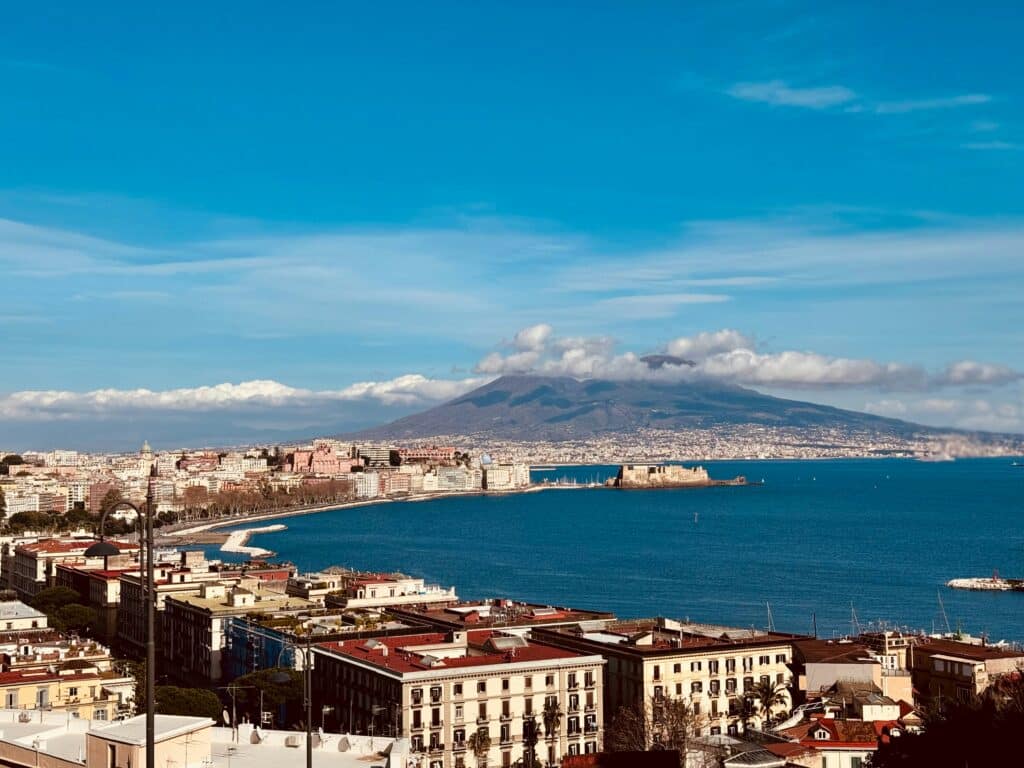
Founded by Greek colonists in the sixth century BCE as Neapolis — literally “new city,” a name that has aged with the wry irony of calling a two-and-a-half-millennium-old metropolis “new” — Naples is Italy distilled into its most combustible proof. It is the birthplace of pizza margherita, allegedly composed in 1889 to honor Queen Margherita of Savoy with the patriotic tricolor of tomato, mozzarella, and basil, a culinary flag no less potent for having been invented, quite possibly, as marketing.
The city’s Archaeological Museum houses the finest surviving loot from Pompeii and Herculaneum, including the Farnese Bull, the largest single sculpture to survive antiquity, which is either an artistic triumph or a very heavy warning about Roman family drama. Also housed within the museum are a collection of tawdry, promiscuity-laced frescoes, trinkets, and various other memorabilia drawn from the local brothel of Pompeii, an area previously cordoned off from visitors due to religious interdictions. Naples is not known for its gentility.
Sorrento
Perched on cliffs above the Bay of Naples and named, per one etymological theory, for the mythical Sirens whose singing supposedly lured sailors to their doom nearby, Sorrento is gentler than its neighbors. Its steep lemon groves produce the citrus that becomes limoncello, a cure-all recommended by both Italian grandmothers and Italian apothecaries. Sorrento’s marina, Marina Grande, remains a working fishing harbor even as espresso bars multiply around it, a coexistence of livelihood and leisure that the town manages with more grace than the traffic circulation suggests it should be capable of.
Salerno
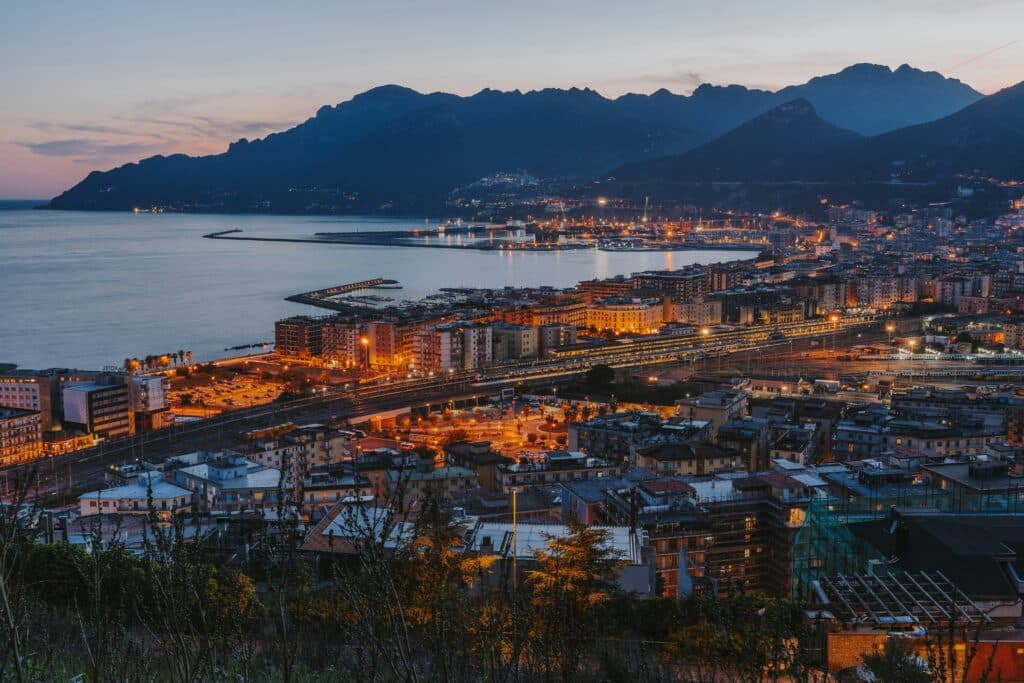
History has not always been kind to Salerno’s marketing department, overshadowed as it is by flashier neighbors, yet it deserves rather more fanfare than it receives. Its medieval Schola Medica Salernitana, flourishing from roughly the ninth century, is widely regarded as the first organized medical school in Western Europe, a distinction that predates the University of Bologna. The city also served as the landing site for Operation Avalanche in September 1943, when Allied forces waded ashore under German fire, a fact its otherwise pleasant seafront promenade commemorates with appropriate solemnity.
Vietri sul Mare
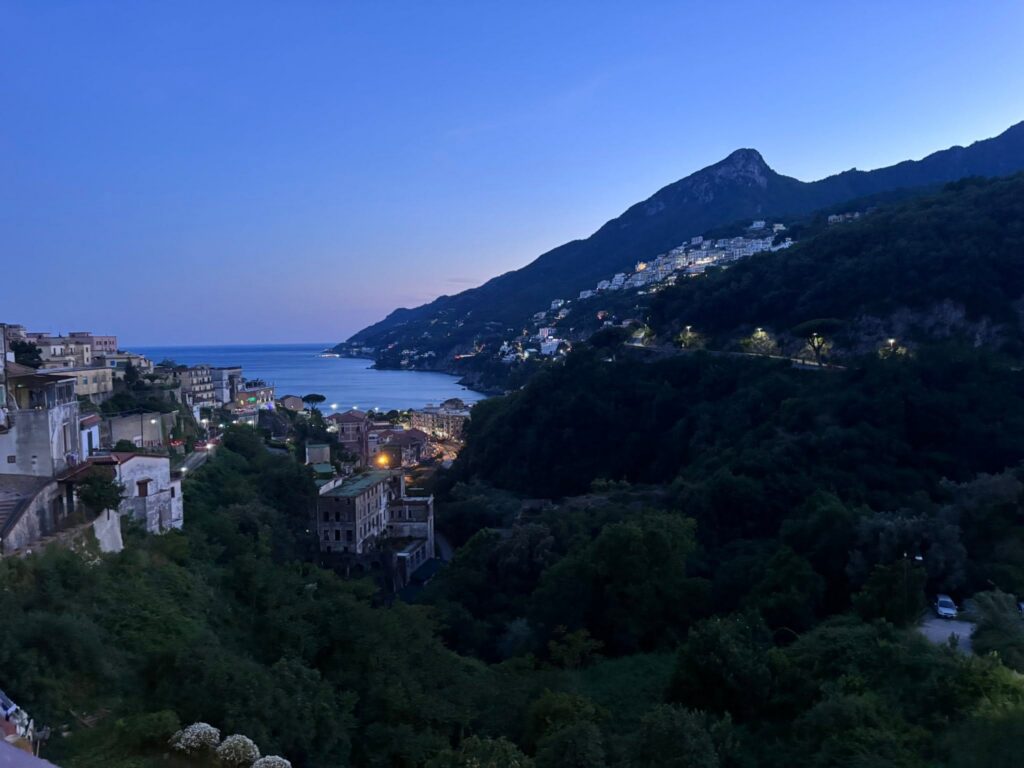
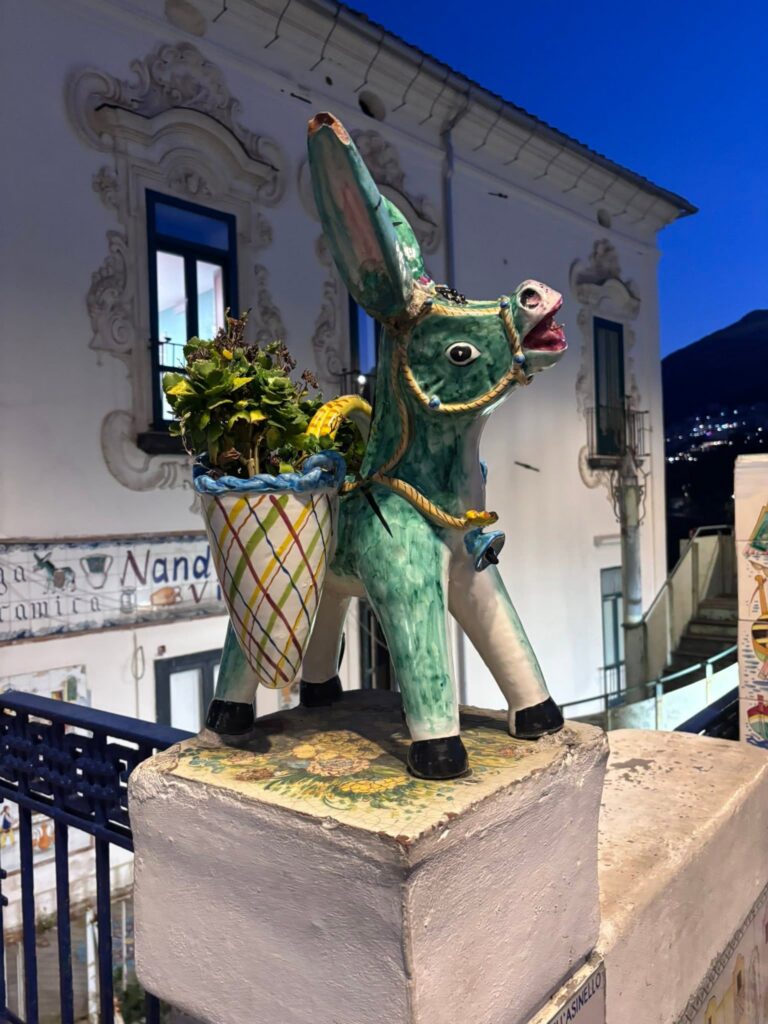
If Salerno is underrated, Vietri sul Mare is practically incognito, despite being the coast’s ceramic capital, its workshops producing the hand-painted artwork that decorates half the gift shops from Vietri itself to Positano. The tradition dates back centuries, though it flourished particularly under the patronage of wealthy Grand Tour travelers in the eighteenth and nineteenth centuries, who apparently could not return to London or Vienna without a suitably colorful vase. The town’s Church of San Giovanni Battista sports a majolica-tiled dome so vivid it looks almost computer-rendered, a genuinely startling thing to encounter atop an otherwise modest hillside village. Vietri functions, essentially, as the coast’s unglamorous but indispensable workshop; nestled comfortably on scenic seaside cliffs reminiscent of its more famous neighbors along the Amalfi Coast.
Herculaneum
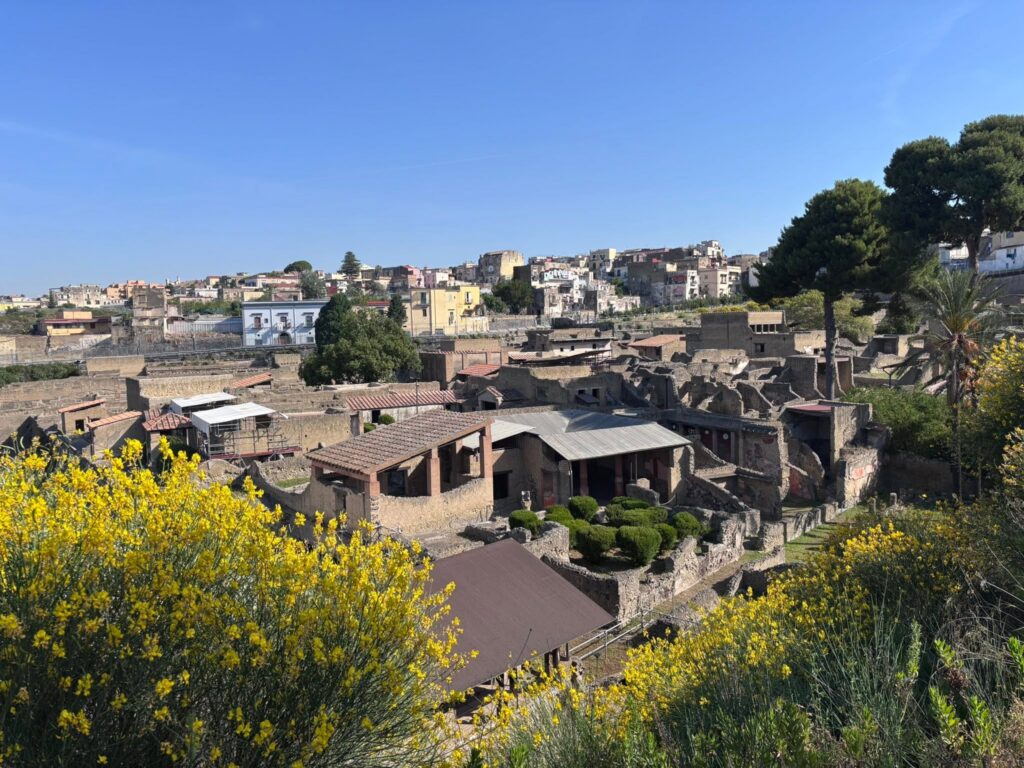
Smaller, better preserved, and considerably less crowded than its more famous sister city, Herculaneum was buried not by the pyroclastic ash that entombed Pompeii but by pyroclastic surges — superheated volcanic material that carbonized wood, preserved rooftops, and, in a detail equal parts fascinating and unsettling, calcified the brain tissue of at least one victim into a glassy substance, discovered by researchers in 2020.
The eruption of Vesuvius in 79 CE buried the town beneath some twenty meters of material, so thoroughly that Herculaneum remained lost until well-diggers stumbled upon it in 1709, with serious excavation beginning under Bourbon patronage in 1738. Because the material that entombed it solidified into a dense, rock-like mass rather than the looser ash of Pompeii, Herculaneum preserved organic material. It is, in short, the more studious sibling: less ostentatious, quieter, and arguably more scientifically valuable, though it will never headline a Netflix documentary the way Pompeii does.
Pompeii
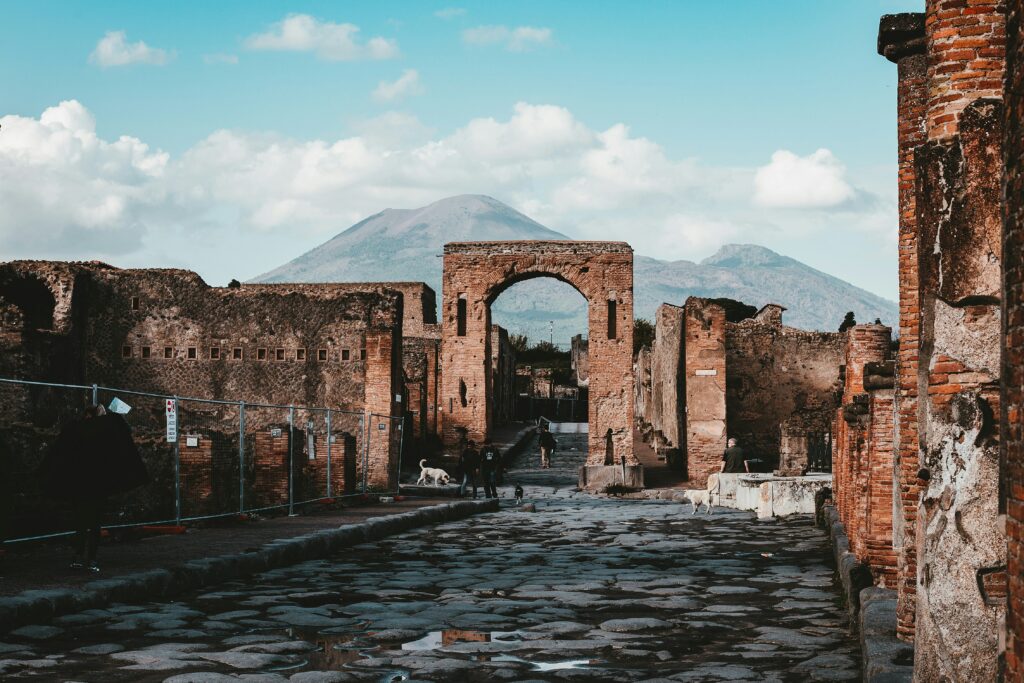
Pompeii, of course, is the main event, the ancient world’s most famous cautionary tale about ignoring a mountain’s opinion. Buried under several meters of ash and pumice during the same 79 CE eruption, the city was rediscovered in 1748 and has since become archaeology’s most instructive open-air classroom. Its plaster casts of victims, created in the 1860s by pouring plaster into the voids their decomposed bodies left in the hardened ash, remain among the most haunting artifacts anywhere in the world. The city’s forum, amphitheater (older than the Colosseum by over a century), and the frescoed Villa of the Mysteries offer a comprehensiveness of ordinary Roman life that no literary source could match: bakeries with carbonized loaves still in their ovens, brothels with surprisingly candid signage, and graffiti of the sort that suggests ancient teenagers were not meaningfully different from modern ones.
Positano
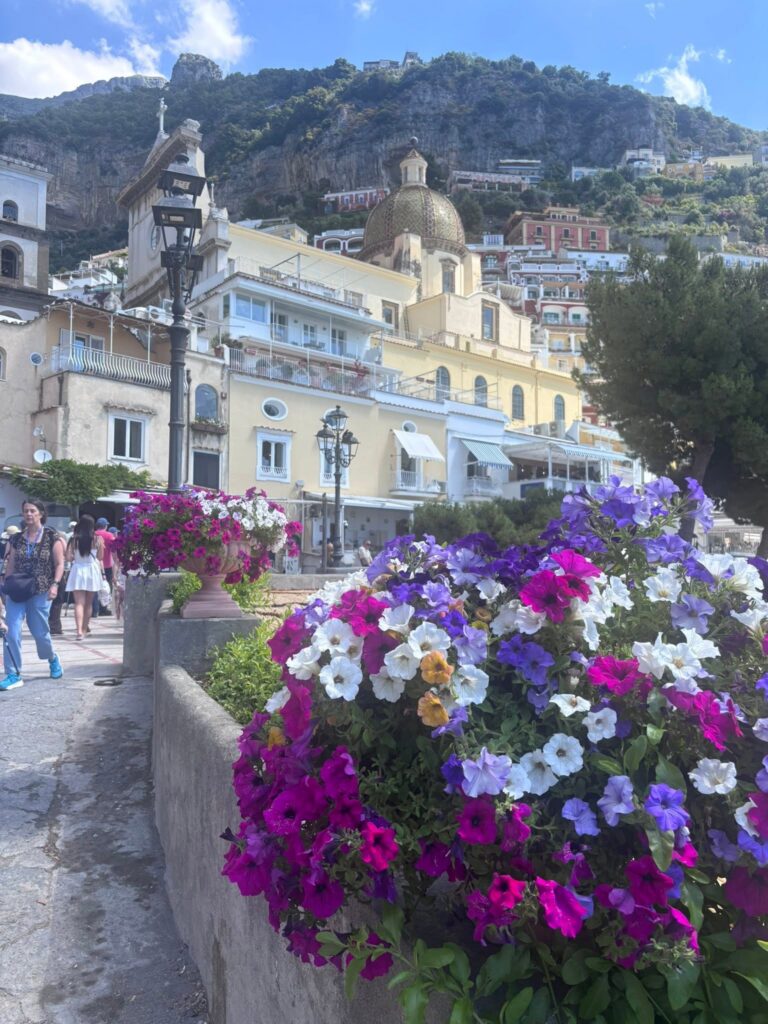
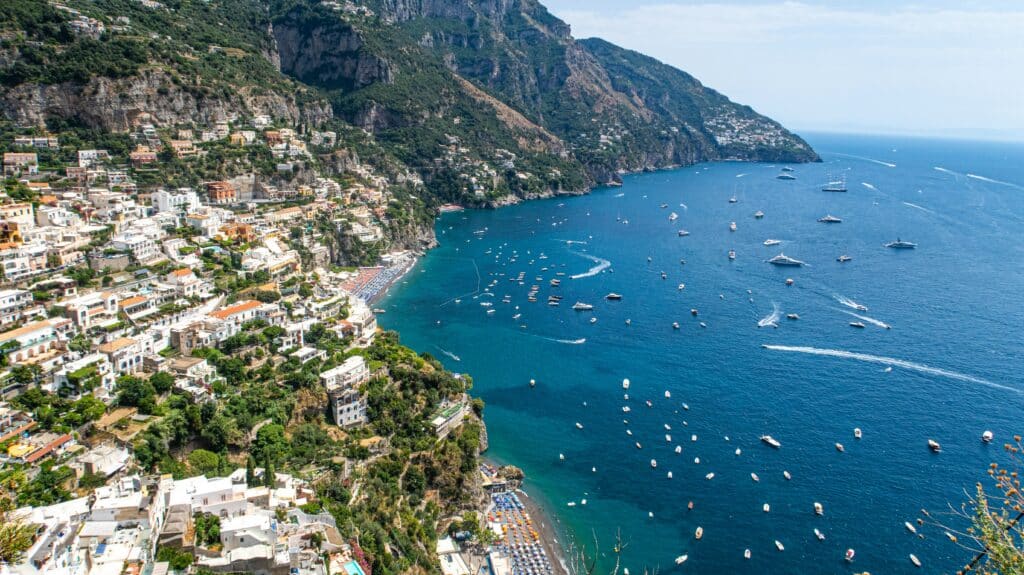
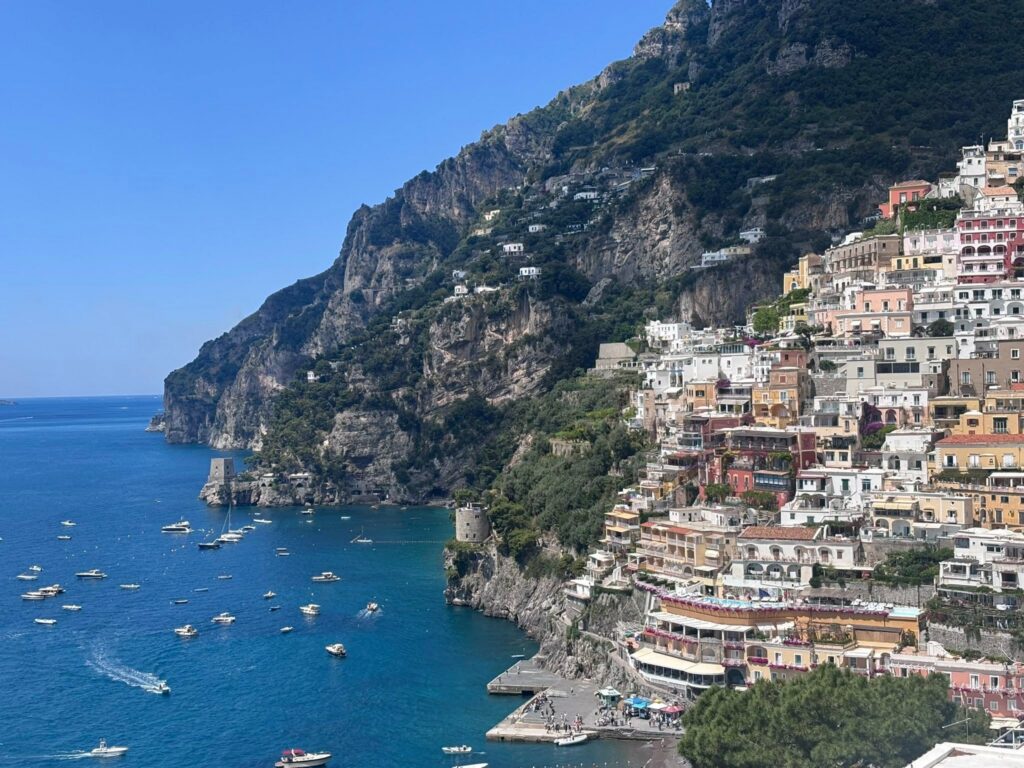
Positano, tumbling down its cliffside in tiers of pastel-colored buildings, owes much of its modern mystique to John Steinbeck, who in a 1953 Harper’s Bazaar essay declared it “a dream place that isn’t quite real when you are there and becomes beautifully real after you have gone” — a sentence that has since appeared on approximately every postcard, tea towel, and tote bag the town produces. Before Steinbeck’s endorsement, Positano was a modest fishing village in genuine economic decline, its population having emigrated en masse to America in the early twentieth century in search of work its cliffs could not provide. Today it is considerably more prosperous, if considerably less populated by fishermen and considerably more populated by expensive boutiques. It is largely regarded as the jewel of the Amalfi Coast.
Amalfi
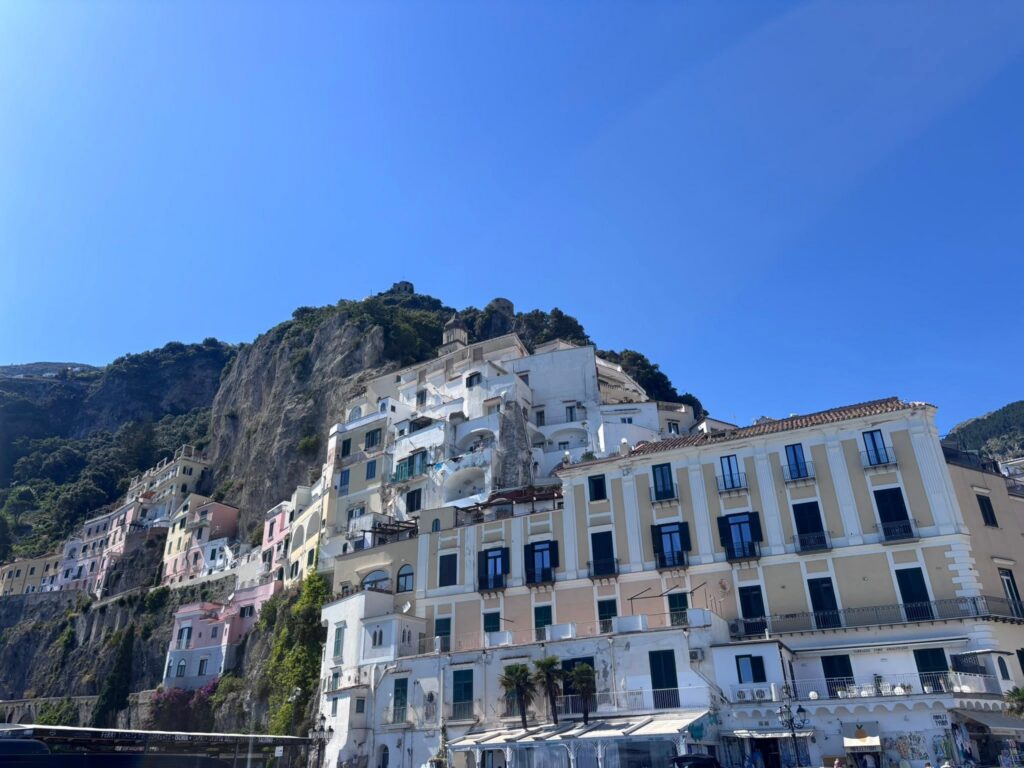
Lending its name to the entire coastline, Amalfi was, astonishingly to anyone who has seen its modest present-day scale, one of the four great Maritime Republics of medieval Italy, alongside Venice, Genoa, and Pisa, a naval and mercantile power whose maritime code, the Tavole Amalfitane, governed trade across the Mediterranean for centuries.
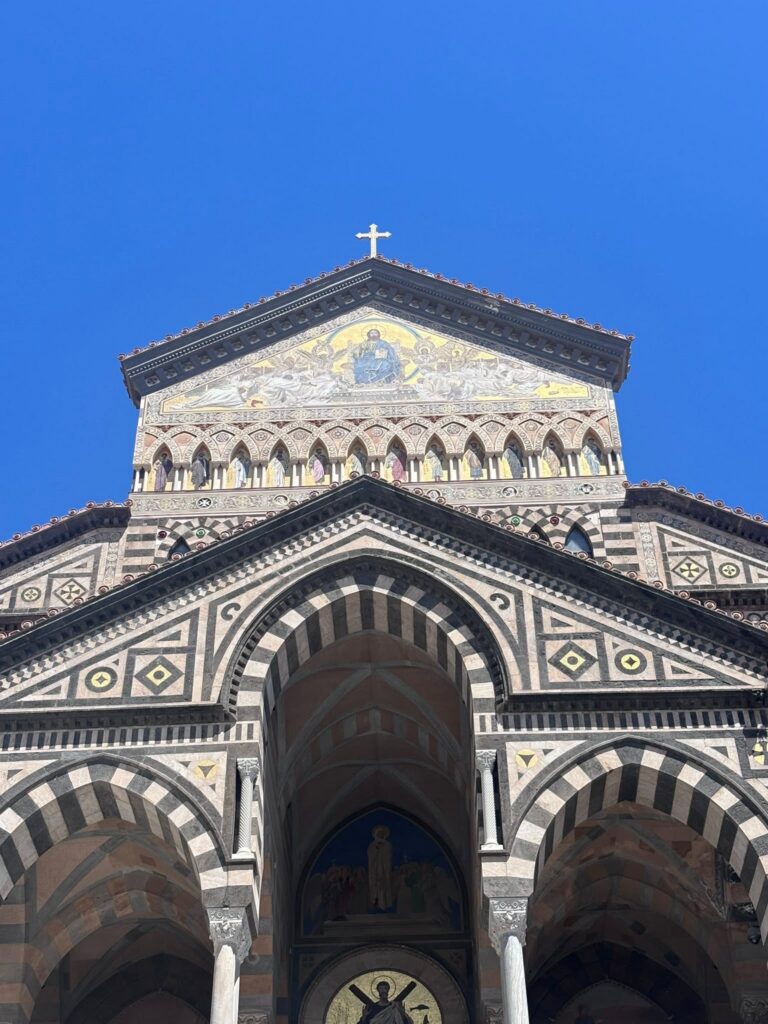
Its dramatic Cathedral of Saint Andrew, reached by a steep flight of some sixty-two steps, houses relics of the apostle believed to have been brought from Constantinople in 1208, and its striking Arab-Norman facade reflects the town’s historic trading ties across the Mediterranean world, from Byzantium to North Africa. Amalfi is also credited with the invention of paper mills in Europe, its Valle dei Mulini having housed dozens of them by the medieval period; a small paper museum there still demonstrates the craft for visitors more accustomed to receiving information on screens.
Capri
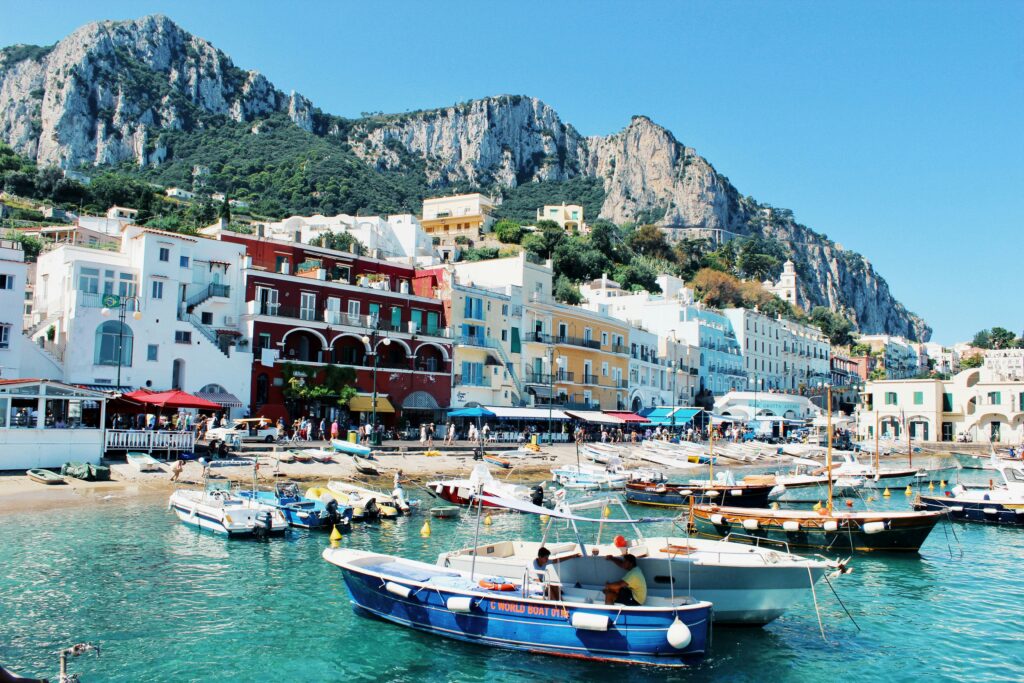
Capri, the island that launched a thousand imperial scandals. The Emperor Tiberius decamped here in 27 CE and reportedly never returned to Rome, ruling the empire from a clifftop villa, Villa Jovis, whose ruins still crown the island’s eastern heights. The historian Suetonius, never one to pass up salacious material, recorded rumors of the emperor’s activities there with an enthusiasm modern tabloid journalism can only aspire to.
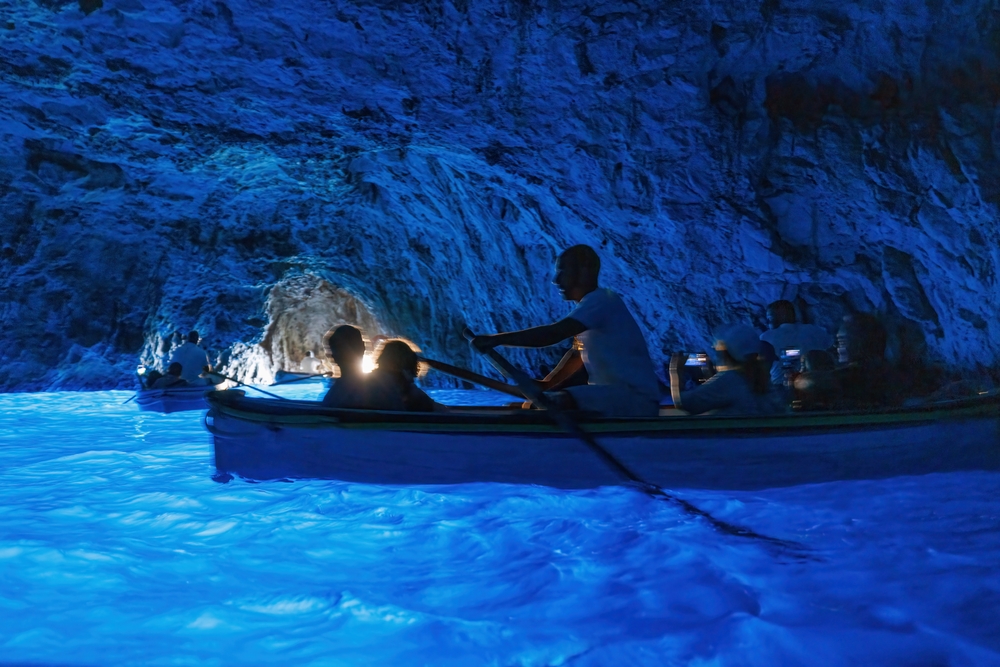
The island’s Blue Grotto, a sea cave illuminated by an eerie blue light produced by sunlight refracting through an underwater opening, was known to locals for generations before being “rediscovered” by European travelers in 1826, a reminder that Italy’s most photographed marvels often required no rediscovering at all, merely a sufficiently enthusiastic press agent.
Food Recommendations
Pasta al Limone: Creamy, vibrant, and light pasta made with zest, juice, cream or butter, and local Italian-sourced lemons.
Gnocchi alla Sorrentina: Tender potato gnocchi baked in an earthenware dish with rich tomato sauce, melted fresh mozzarella, and basil.
Spaghetti alle Vongole: A timeless coastal staple. Fresh carpet-shell clams are sauteed with extra virgin olive oil, garlic, white wine, and parsley, creating a light, savory broth that coats the pasta.
Buffalo Mozzarella: Fresh water-buffalo milk mozzarella from Campania, known for its rich texture and milk-bursting center.
Caprese Salad: Simple salad originating from the nearby island of Capri, combining ripe tomatoes, fresh buffalo mozzarella, basil leaves, extra virgin olive oil, and sea salt
Most Insta-grammable Spots
Positano Main Beach: Spiaggia di Positano Marina Grande is the classic photo location featuring vibrant rows of sun loungers set against the backdrop of Positano’s cliffside houses.
Amalfi Cathedral Staircase: The Cathedral of St Andrew Apostle in Piazza Duomo dominates the central square of Amalfi with its Arab-Norman facade and grand staircase. It’s presently undergoing renovation.
Ceramic Streets of Vietri sul Mare: Vietri sul Mare is the ceramic capital of the Amalfi Coast, known for streets decorated with colorful majolica tiles and pottery storefronts.
Blue Grotto: The world-famous Blue Grotto is a sea cave illuminated from beneath by submerged sunlight, creating an electric-blue water glow.
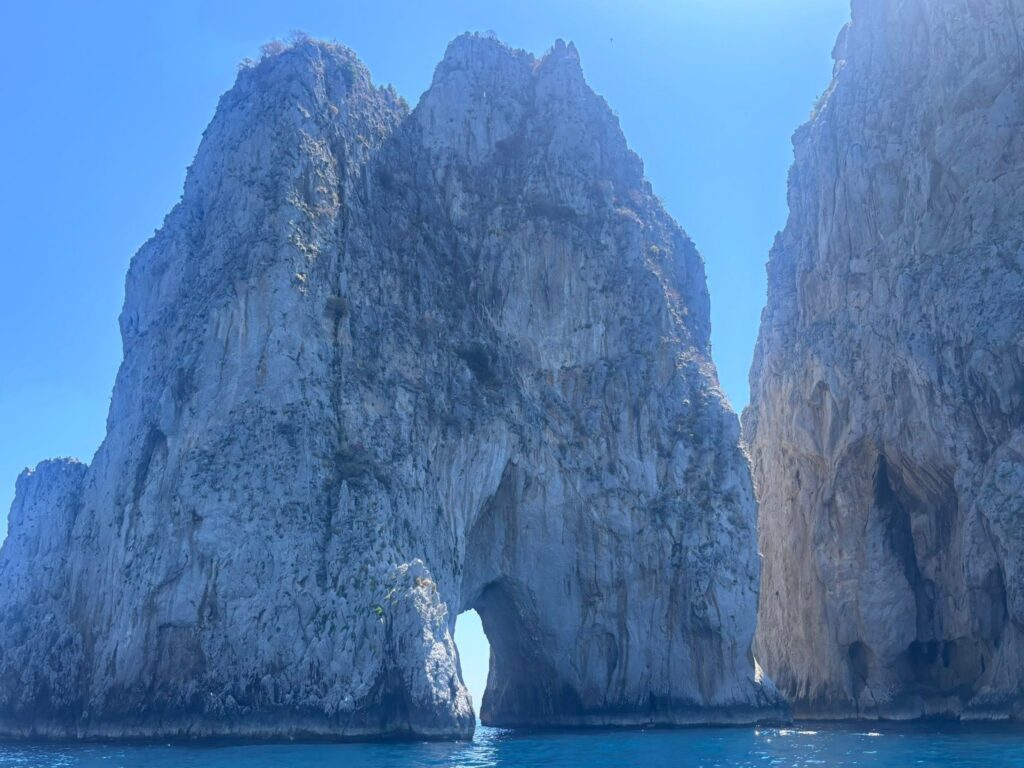
Faraglioni: The Faraglioni are three giant limestone sea stacks rising out of the Mediterranean off Capri’s southern coast.