

Holiday travel breaks people. Airports flood with crowds. Highways clog with traffic. Flights get delayed, canceled, and rebooked, often all in the same afternoon. None of this is news to you.
Here’s what actually changes the outcome: preparation, not luck. Most holiday travel stress comes from decisions made weeks in advance, not from anything that happens at the gate. Fix the early decisions and the trip mostly fixes itself.
This guide treats holiday travel like a problem to be solved, not an ordeal to be endured. Each section below gives you a specific action, not a vague suggestion. Work through them in order, starting well before your departure date, and build your trip around the tactics rather than hoping for good luck at the airport.
1. Book Your Travel Dates Strategically
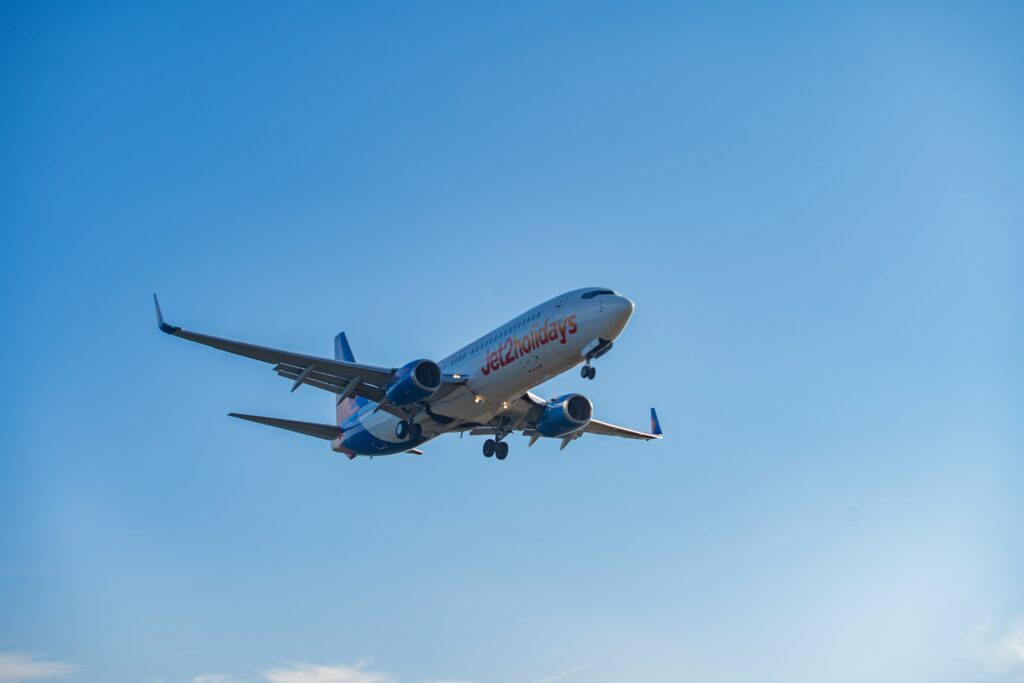
Avoid the peak travel days entirely. Traveling during peak season enhances travel stress. The Wednesday and Sunday before Thanksgiving are historically the busiest air travel days in the country. Shift your departure to Tuesday or the actual holiday itself if your schedule allows it.
Fly early in the morning whenever possible. Morning flights face fewer accumulated delays than afternoon or evening departures. A 7 a.m. flight rarely inherits the backlog created by a canceled 2 p.m. flight the day before.
Check fare and crowd patterns before locking in a date. A one-day shift can mean a dramatically quieter airport, thus decreased travel stress. Flexibility here pays off more than almost any other single decision you’ll make.
2. Book Direct Flights Whenever Possible
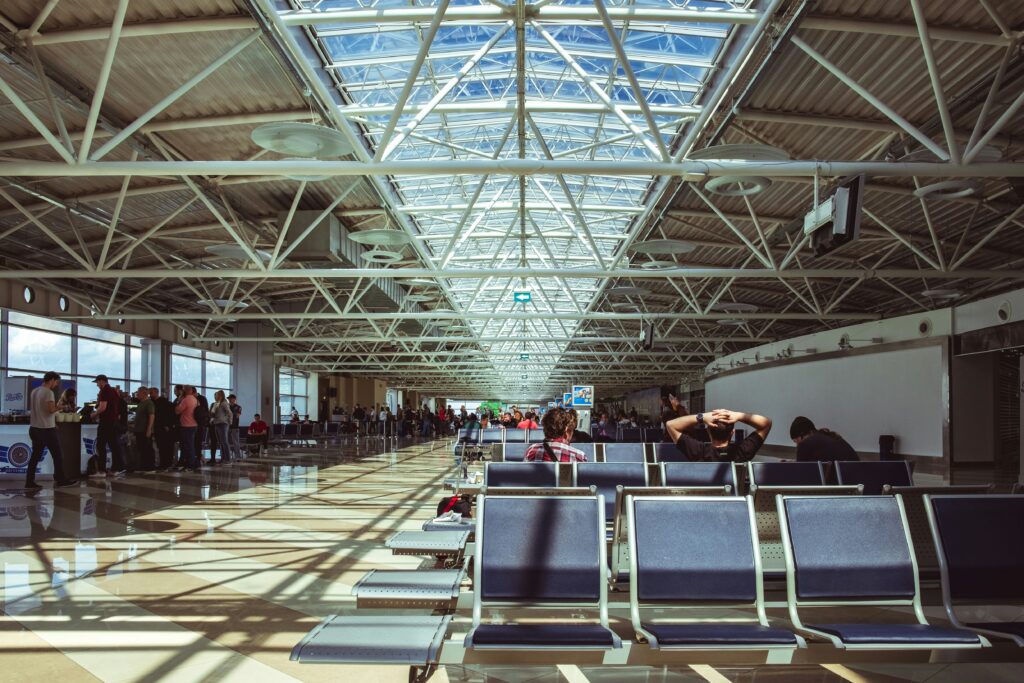
Skip the connection if you can afford to. Every layover adds a new point of failure: a delayed first leg, a missed second leg, a canceled connection altogether. Direct flights remove that entire category of risk, mitigating travel stress.
Pay slightly more for direct routing if the price gap is small. The cost difference is often minor compared to the cost of a missed connection during peak season. Rebooking during the holidays can mean a multi-day delay, not a same-day fix.
If a connection is unavoidable, build in a buffer. Choose layovers of at least 90 minutes for domestic connections. Anything shorter turns a minor delay into a missed flight.
3. Enroll in TSA PreCheck or Global Entry Before You Travel
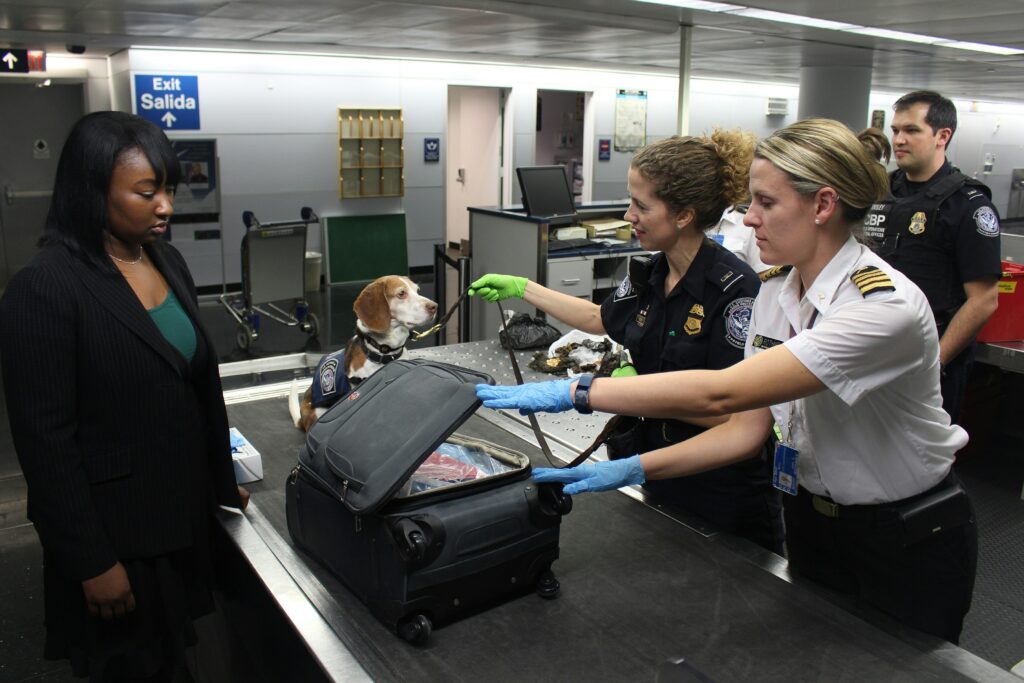
Apply for TSA PreCheck at least a few weeks before your trip. The application process includes a background check and in-person appointment, so don’t wait until the week of departure. Approval typically takes several days to a few weeks.
Use the expedited security line every time it’s available. This alone can save 20 to 40 minutes at a crowded holiday airport, consequently alleviating some travel stress. That time buffer often makes the difference between a relaxed boarding process and a full sprint to the gate.
Consider Global Entry instead if you also travel internationally. It includes TSA PreCheck benefits and adds expedited customs processing. The application fee is higher, but the combined benefit covers more travel scenarios.
4. Pack Light and Pack Smart
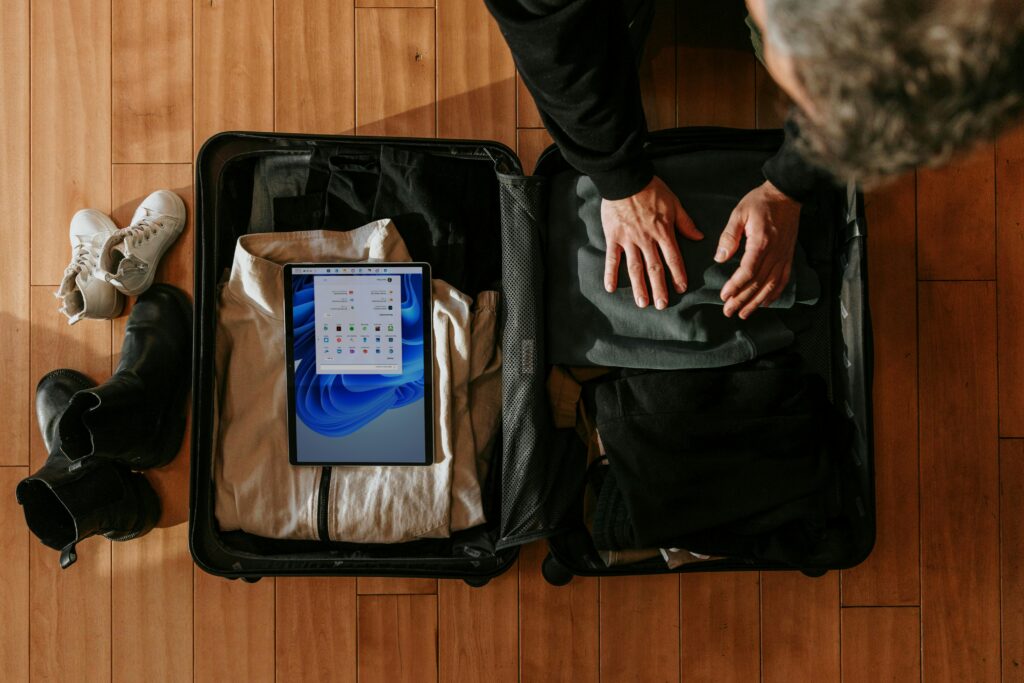
Bring a carry-on instead of checking a bag whenever the trip length allows it. Checked bags add time at both ends of your trip and introduce a real risk of loss during high-volume travel weeks. A carry-on stays with you the entire time.
Pack a change of clothes and essentials in your personal item regardless of your checked luggage. If a checked bag gets delayed, you’re not stranded without basics. This single habit turns a lost-bag scenario from a crisis into a minor inconvenience.
Label every bag clearly, inside and out. Include a phone number and email address on the exterior tag. Add a card with the same information inside the bag in case the outer tag gets torn off.
5. Build In Buffer Time at Every Stage
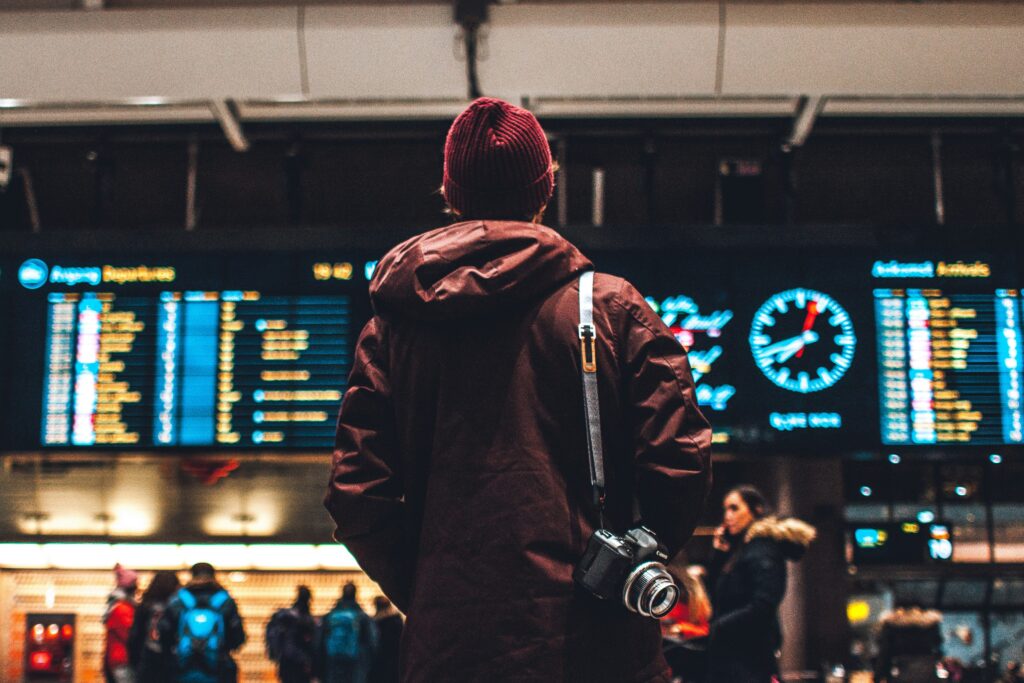
Arrive at the airport earlier than you think you need to. Add an extra 30 to 45 minutes beyond your usual arrival window during peak holiday dates. Security lines and check-in counters move slower when everyone else has the same idea.
Schedule ground transportation with a buffer as well. If a rideshare or shuttle is running late, you want slack in the schedule, not a countdown to a missed flight. Build the buffer into your plan before you leave the house, not after you’re already running late.
Treat layovers the same way. A tight connection looks fine on paper until the first flight boards ten minutes late. Choose the buffer over the shorter total travel time whenever you’re given the choice. Incorporating buffers times are critical in ensuring an experience less laden with travel stress.
6. Prepare for Delays Before They Happen

Download your airline’s app and enable push notifications. Real-time updates on gate changes and delays reach you faster through the app than through announcements. Check it the moment you arrive at the airport and again before boarding.
Know your rebooking options before a delay happens. Screenshot alternate flights on your route in case your original flight gets canceled. Having options ready saves critical time when call centers get overwhelmed.
Pack a small kit for extended delays. Include a phone charger, snacks, and any medication you take regularly. A four-hour delay is an inconvenience with a kit and a genuine problem without one.
Keep your airline’s customer service number saved in your phone. Waiting in a long line at the counter wastes time you don’t have during a peak travel day. Calling or messaging often gets you rebooked faster than standing in line ever will.
7. Choose Your Seat With Stress in Mind
Select your seat during booking rather than leaving it to chance. An assigned seat removes one more variable from an already unpredictable day. Waiting to get seated at the gate adds unnecessary uncertainty to a trip that already has enough.
Pick an aisle seat if a fast exit matters to you, especially with a tight connection ahead. Window seats suit travelers who prioritize rest over mobility. Match the seat to your actual priority for that specific leg of the trip.
Consider paying for extra legroom on longer flights if your budget allows it. Comfort compounds over a multi-hour flight, especially with holiday crowding filling every seat. A calmer body handles delays and stress better than a cramped one.
8. Handle Ground Travel With the Same Discipline
Check traffic patterns before choosing a driving route or departure time. Holiday traffic peaks are predictable and well documented by mapping apps. Shift your departure by even an hour to avoid the worst of it.
Fill your gas tank the night before a road trip, not the morning of. Gas stations near highways get crowded during peak travel days. Removing this task from your morning checklist removes one more possible delay.
Pack an emergency kit for any road trip longer than a few hours. Include water, snacks, a phone charger, and basic supplies for winter weather if relevant. Holiday road trips often cross regions with unpredictable weather conditions.
9. Communicate Your Plans Clearly
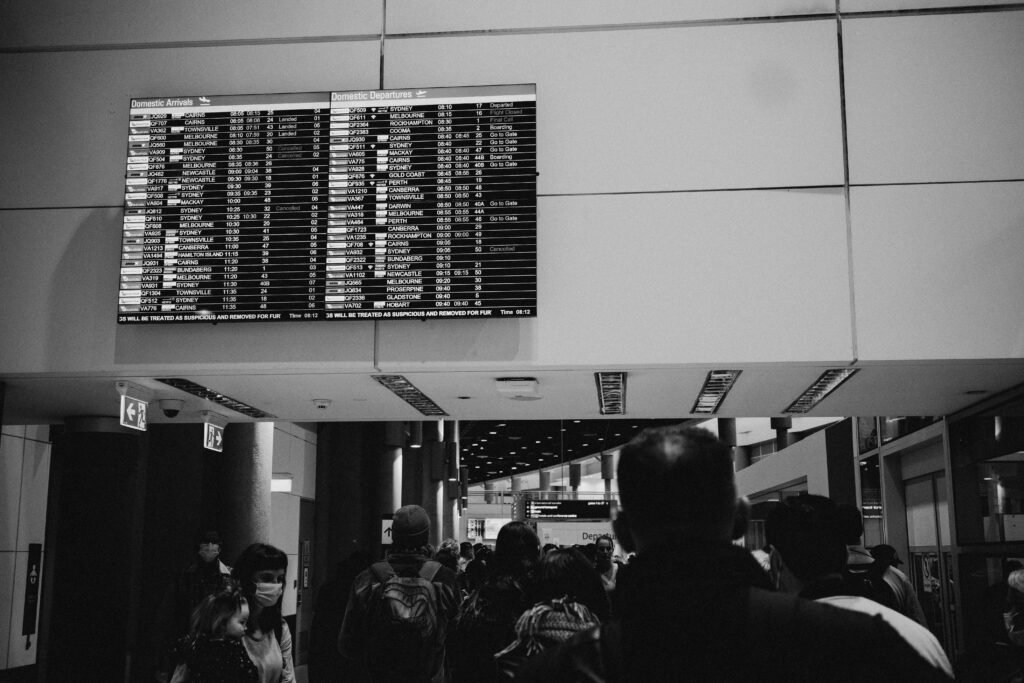
Share your itinerary with whoever’s expecting you at your destination. Include flight numbers, arrival times, and a backup plan if something changes. This removes the pressure of constant check-in calls during an already stressful travel day.
Set expectations early if your plans might shift. A simple heads-up that holiday travel is unpredictable prevents disappointment later. This is far easier to manage before a delay than during one.
Confirm pickup arrangements the day before, not the day of. A quick text confirming time and location removes a variable that often causes last-minute confusion. Don’t leave this detail until you’ve already landed.
10. Protect Your Mental State, Not Just Your Schedule

Expect at least one thing to go wrong. This isn’t pessimism, it’s realism, and it changes how you react when it happens. A delay feels different when you’ve mentally accounted for the possibility in advance.
Build a few minutes of downtime into your day regardless of how the trip is going. A short walk, a few minutes with headphones, a moment away from the gate crowd. Small resets prevent frustration from compounding across a long travel day.
Remind yourself that the goal is arrival, not a perfect schedule. A stressful travel day doesn’t erase the holiday waiting on the other side of it. Keep that reframe close when things don’t go according to plan.
