

A long holiday flight with kids is a logistics problem, not a test of patience. Treat it that way. The airport will be packed. Flights will be full. Delays are likely, and your kids will feel every one of them. You cannot control any of that. You can control what you book, what you pack, when they eat, and how you react at hour six.
This guide is built like a game plan. Six phases, in order. Booking. Packing. The airport. Takeoff. The long middle. Landing and arrival. Each section tells you what to do and why it works. Skip the parts that don’t fit your family. Steal the rest.
One rule runs through all of it: plan for the worst hour, not the average one. Nobody remembers the four calm hours. Everyone remembers the meltdown in the aisle. Your job is to make that hour shorter, quieter, and less likely to happen at all.
Phase 1: Book Long Flights with Kids Strategically
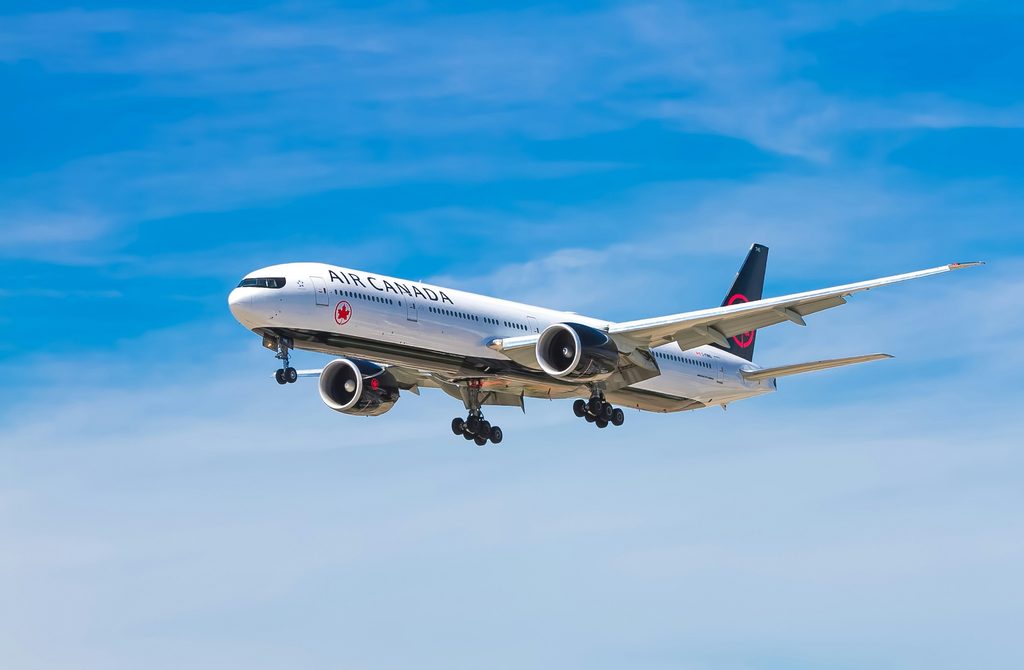
Most of the battle is won before you leave the house. It starts at booking. Pick the flight time around your child’s sleep, not around the cheapest fare. An overnight flight works well for kids who drop off anywhere. A morning departure is safer for kids who fight sleep in new places. You know which one you have.
Go nonstop if you can. Every connection adds another boarding, another takeoff, and another chance to miss a flight, and holiday schedules leave little room to rebook. If you must connect, leave a long layover. Ninety rushed minutes with a toddler and a car seat is a bad bet.
Then lock in your seats. Sitting together is not guaranteed on every fare, so pay for selection if you need to. Take a window for the kid and an aisle for you. Flying with a baby? Request a bulkhead bassinet early and confirm it before you fly. Children under two can usually ride on your lap. On a ten-hour flight, though, a paid seat with an FAA-approved car seat or a CARES harness is safer and buys everyone more sleep.
Finally, check your airline’s rules a week out. Baggage allowances, stroller policies, and car seat rules differ by carrier and by route. Five minutes on their website saves an argument at the check-in desk.
Phase 2: Pack For Long Flights With Kids Like a Strategist
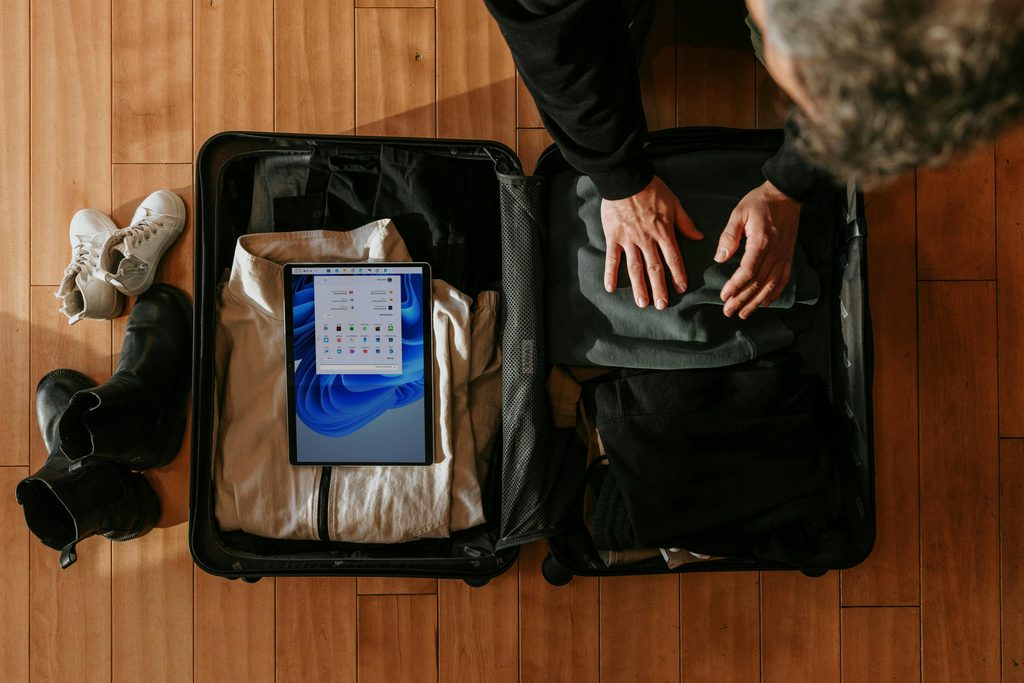
Pack the carry-on as if your checked bags will not show up. Sometimes they don’t. Give each child a small backpack of their own with a change of clothes, a comfort item, snacks, and a few activities. Kids behave better when they’re in charge of their own stuff. Pack a spare shirt for yourself too. Spills don’t stop at the child.
Entertainment needs a plan. Wrap a handful of small, cheap, new toys and hand them out at set times, not on demand. Download shows, games, and audiobooks the night before and test them offline. Never trust seatback screens or in-flight Wi-Fi. Charge everything. Bring a power bank, the right cables, and volume-limited headphones.
Overpack snacks, then add more. Choose foods that don’t crumble, stain, or melt. Formula, breast milk, and baby food are generally allowed through security in larger amounts than other liquids, but declare them at the checkpoint. Keep any regular medicine in the carry-on, along with whatever your pediatrician recommends for travel. Ask them before the trip, not at the gate.
Phase 3: Win the Airport
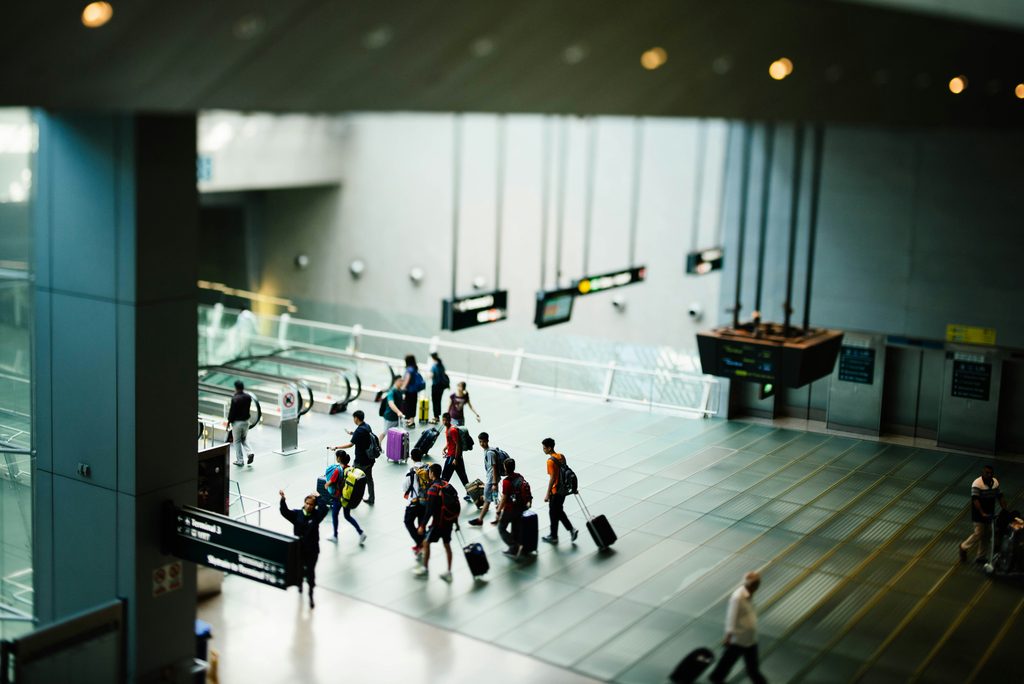
The airport is where most families burn energy they’ll need later. Arrive early, then add time. Holiday security lines are long and unpredictable, and a rushed parent makes anxious kids. Use the spare minutes to wear the kids out. Walk the terminal, find a play area, ride the moving walkway. Energy burned on the ground is energy they won’t burn at 35,000 feet.
Feed everyone before boarding. The airline meal may come late, and your child may refuse it anyway. A full stomach buys you the first two hours. Make one last bathroom stop for everyone, including the ones who swear they don’t need it. If you have a car seat to install, take the preboarding slot. If you don’t, consider boarding last and keeping the kids moving until the door closes.
Delays happen, especially over the holidays. Check the flight status on your phone before you leave home and again at the gate. If a delay is posted, don’t sit and wait. Get the kids moving again, top up snacks, and treat it as bonus energy-burning time.
Keep documents in one place. Passports, boarding passes, and any paperwork for the kids go in a single pocket you can reach without putting anyone down. You will be asked for them more times than you expect.
Phase 4: Handle Takeoff and First Hour
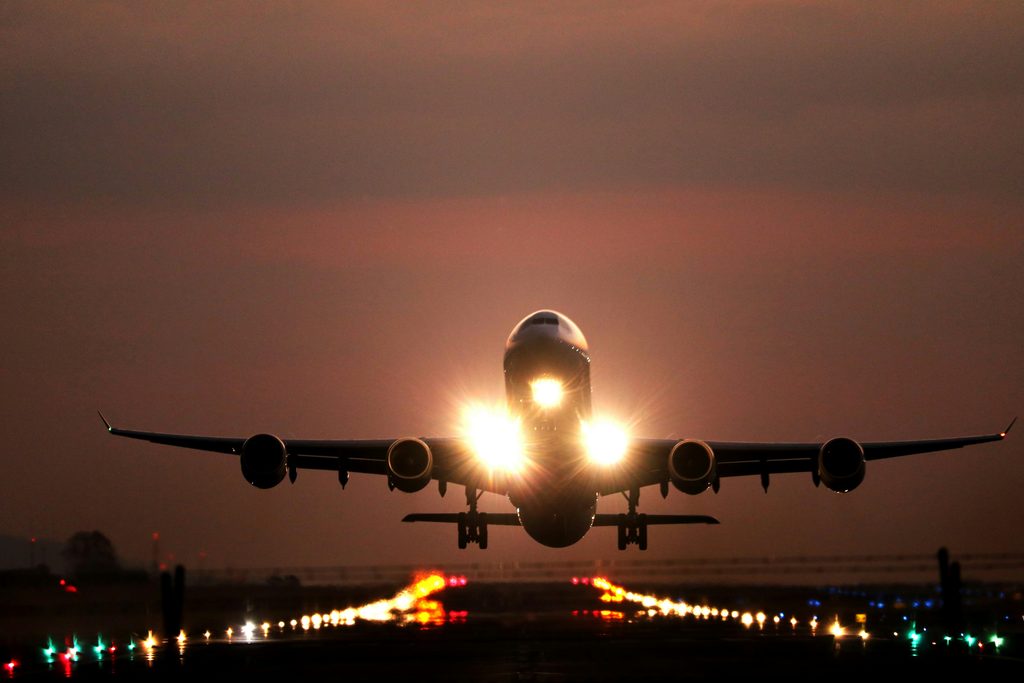
The first hour sets the tone for the whole flight. Before you sit down, move snacks, a drink, and one activity into the seat pocket. Everything else goes overhead. You will not want to dig through a bag during taxi.
Pressure changes hurt small ears, and swallowing helps. Nurse or bottle-feed babies during takeoff. Give older kids a drink or something chewy. Hold the new toys back for now. Their novelty is your most valuable resource, so spend it when boredom actually hits.
Tell older kids how the flight will go. “Movie, dinner, then sleep.” Children handle long stretches better when they know the shape of them. And say hello to your neighbors. People are far more patient with a family that is clearly trying.
If the plane sits on the tarmac, start an activity right away. Don’t wait for the wheels to leave the ground. A delay is just the first hour starting early.
Phase 5: Run The Long Middle-Flight
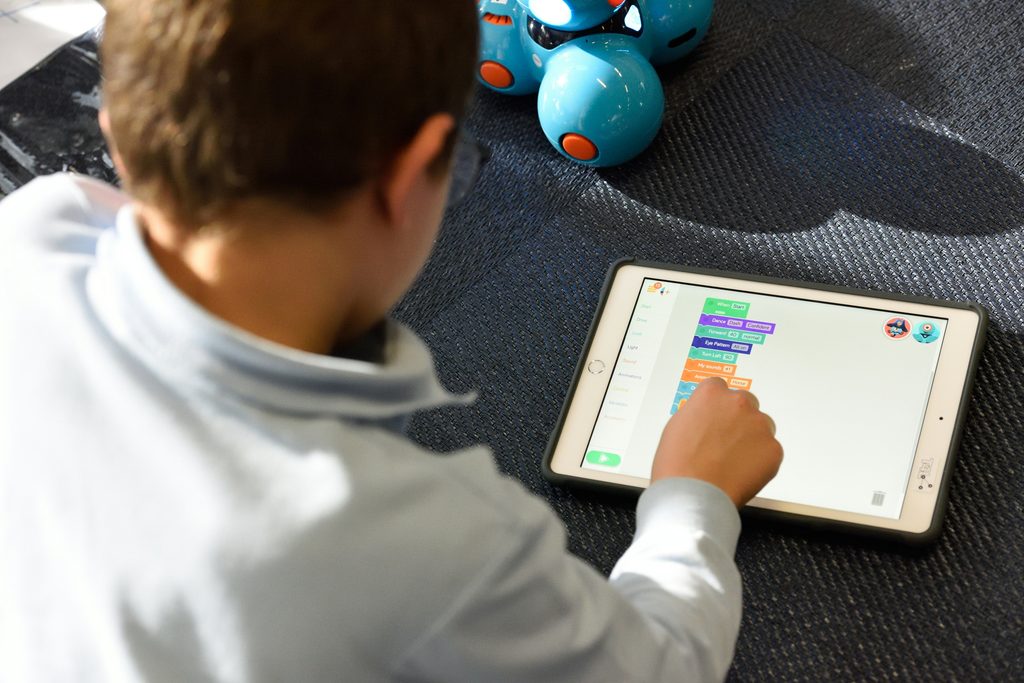
This is where long flights with kids are won or lost. Hours three through eight. Your strategy here is rotation. Switch from screens to a book to a snack to an aisle walk to a new toy every thirty to forty-five minutes. Get ahead of boredom instead of chasing it. When the seatbelt sign is off, take a lap. Movement resets a mood faster than anything in your bag.
When your kids get drowsy, shut it all down. Screens off, blanket on, familiar pillow out. Copy the bedtime routine from home as closely as a plane allows. When they’re awake, loosen the screen rules without guilt. Normal rules come back when you land.
Traveling with another adult? Work in shifts. One parent is on duty while the other rests, and you swap every couple of hours. If a meltdown comes, stay calm and stay quiet. Take the child toward the galley or bathroom for a reset if you need to. Most passengers have been there.
Watch your own energy too. Eat when they eat. Drink water. Sleep when you get the chance, even for twenty minutes. A tired, hungry parent loses patience fast, and kids pick up on it immediately. Looking after yourself is part of the plan, not a break from it.
Phase 6: Land and Recover

The flight isn’t over at touchdown. Wake a sleeping child well before landing. Waking mid-descent with sore ears makes for a rough last stretch. Then repeat the ear routine from takeoff. During the final descent, pack everything up and check the seat pockets and floor. A lost comfort item can ruin the first night of the holiday.
Once you’re at the gate, let the aisle clear before you stand. You gain nothing holding a toddler and a car seat in a crowded aisle. On arrival, get everyone into daylight if you’ve crossed time zones, and nudge bedtime toward local time a little each night. Keep day one light. Eat, rest, go outside, go to bed. The holiday starts tomorrow.
It won’t be perfect. It doesn’t need to be. Everyone gets there. That’s the win.
