

Winter travel is the cheat code for exploring Europe on a budget. Prices crash. Crowds vanish. Christmas markets glow, then empty out entirely by mid-January. Smart winter travel gets you the same cobblestones, the same castles, the same mulled wine — for a third of the summer price. This isn’t about settling for less. It’s about timing your move. Book the right city in the right week, and you’ll eat well, sleep well, and see everything, all on a winter travel budget that would barely cover three nights in Paris in July. The trick is knowing where the winter travel deals actually live. Not every “cheap” city stays cheap in December — some spike hard around Christmas, then crash again in January. This guide skips the guesswork. Seven cities. Real numbers. Real winter travel tactics. Treat it like a playbook, not inspiration. Pick a city. Follow the moves. Book nothing until you’ve read the winter travel hacks section at the end — it’ll save you more than any single destination choice will.
Budapest, Hungary
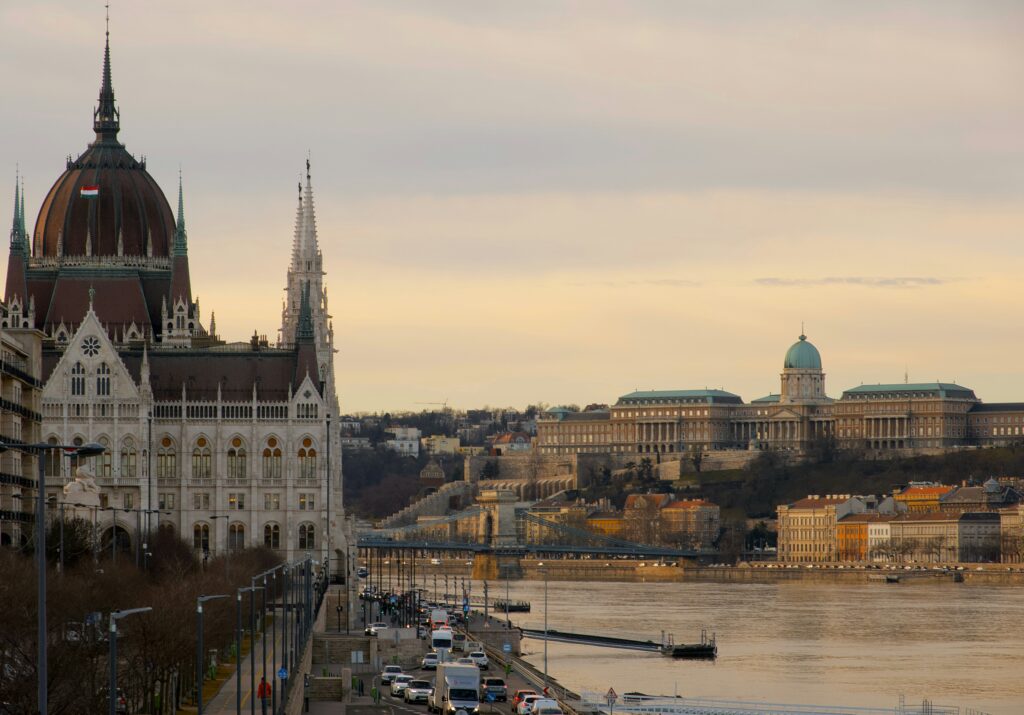
Winter travel here means thermal baths at a discount. Book tickets online, never at the door. You’ll save 20% and skip the line entirely. Go to Széchenyi at night. Fewer tourists, same steaming water, same yellow palace walls. Ride the metro, not taxis. A weekly pass costs less than two Uber rides. Eat at Great Market Hall’s upper floor, not the ground level. Same food, half the price, fewer photo-taking crowds blocking the stalls. Avoid currency exchange booths near tourist sites. Use an ATM instead. The rates are rigged near Chain Bridge. Layer heavily — Danube wind cuts through everything, and winter travel here rewards anyone who packs for it properly.
Porto, Portugal
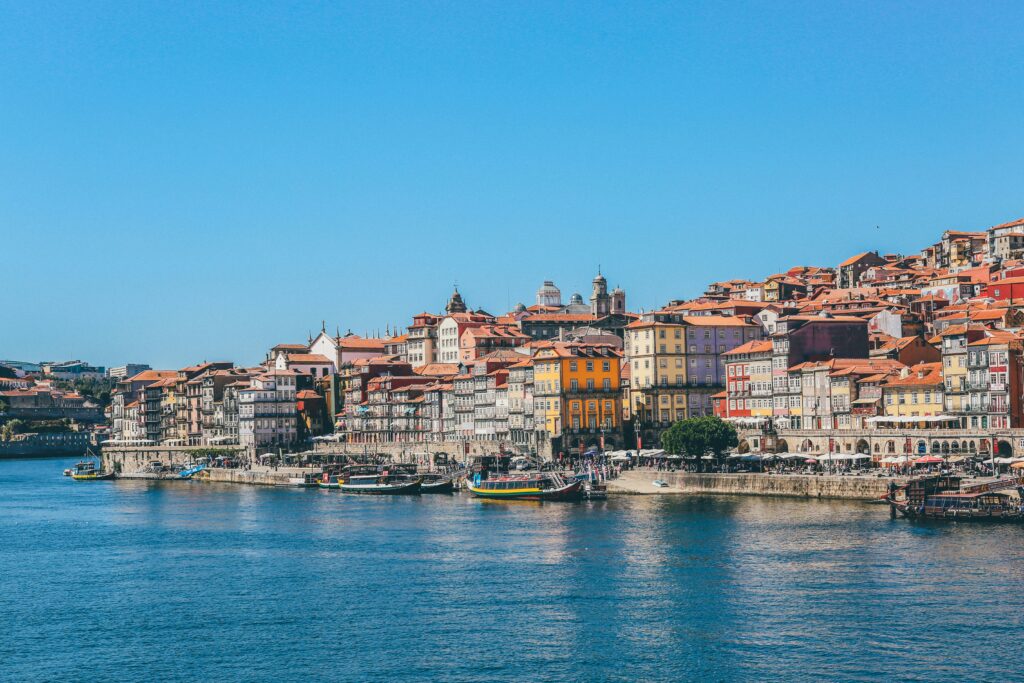
Winter travel to Porto means mild temperatures and empty streets, without the price tag of a summer trip. Fly into Porto directly, not Lisbon. Budget airlines run this route constantly, and prices stay low through February. Skip the touristy port wine cellars. Cross the river to Vila Nova de Gaia and pick a smaller producer. Tastings cost less, pours run bigger. Walk everywhere. The whole historic center fits inside a 20-minute radius. Eat francesinha for lunch, not dinner — smaller portions, lower prices, same sandwich. Rent an Airbnb in Bonfim. It’s residential, cheap, and a 15-minute walk from Ribeira. Winter rain is real. Pack a proper waterproof shell, not an umbrella.
Riga, Latvia
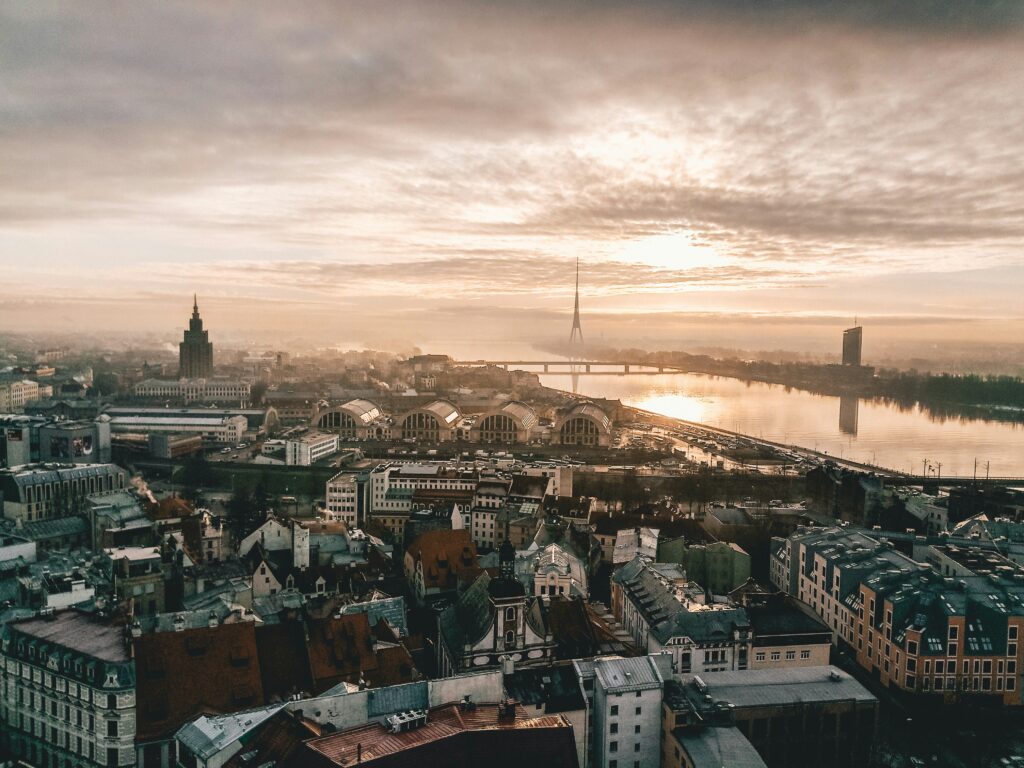
Winter travel in the Baltics peaks visually right here. Visit the Christmas market in Dome Square before December 20th, then watch it empty out. Book a guesthouse in the Art Nouveau district, not the Old Town. You’ll pay less and see the city’s best architecture from your doorstep. Eat at Riga Central Market, inside the old zeppelin hangars. Point at what looks good — nobody expects English fluency and prices don’t change based on tourist status. Buy a Riga Card only if you’re hitting three-plus museums; otherwise skip it. Layer wool, not cotton. The Baltic wind off the Daugava River finds every gap in a jacket, a detail every winter travel packing list should account for.
Bratislava, Slovakia
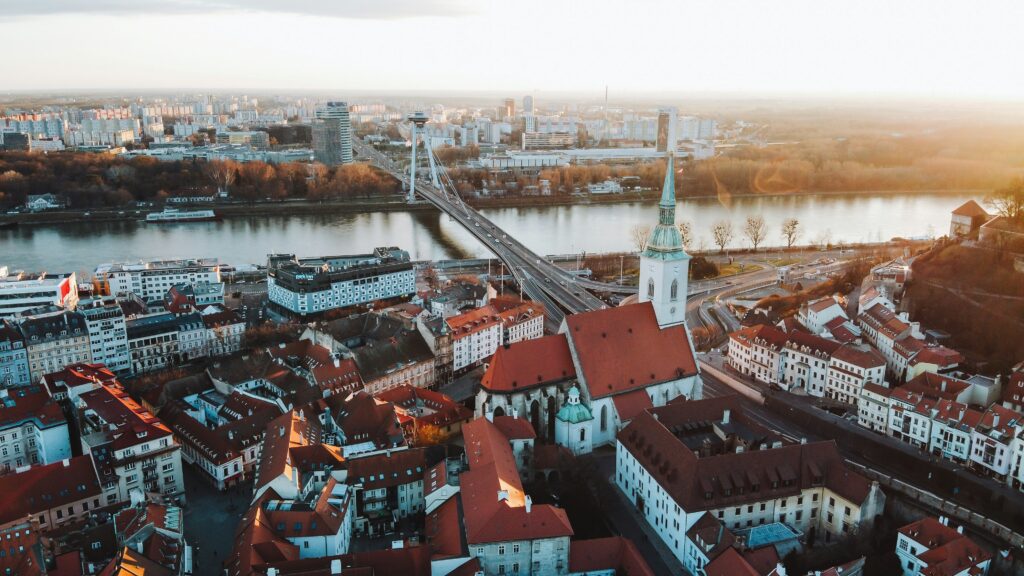
Winter travel budgets stretch furthest here, one hour from Vienna. Fly into Vienna instead. It’s an hour away by bus and flights run cheaper into Austria than direct. Skip the tour buses. Bratislava’s entire old town covers less ground than a single Vienna district. Walk it in an afternoon. Climb to the UFO Tower’s observation deck at sunset, not midday — same ticket price, better light. Eat at a “bufet” counter, not a sit-down restaurant. Half the price, faster service, same goulash. Day-trip to Devín Castle by public bus for under $2 each way. Skip guided tours there entirely; information boards cover everything. Pack a warm hat. Wind off the Danube here hits harder than the temperature suggests.
Tallinn, Estonia
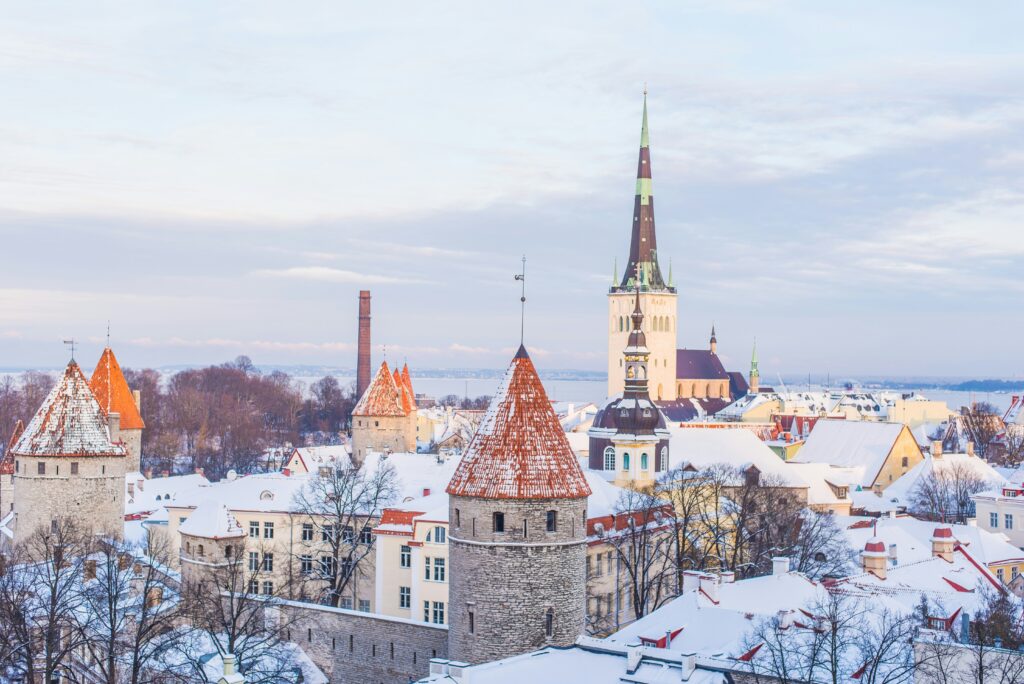
Winter travel and medieval architecture were made for each other, and Tallinn proves it after dark. Medieval towers lit against snow cost nothing extra and clear out by 6 p.m. Buy food at a grocery store, not a tourist-strip café. A week of groceries costs less than two restaurant dinners. Book a guesthouse just outside the city walls. Prices drop fast once you’re a ten-minute walk from the main square. Try a public sauna instead of a spa hotel. Locals use them daily, and a session runs a fraction of a hotel wellness package. Buy a Tallinn Card only if you’re museum-heavy; skip it for a short trip. Ice forms fast on stone streets. Bring boots with real grip, not fashion boots.
Vilnius, Lithuania
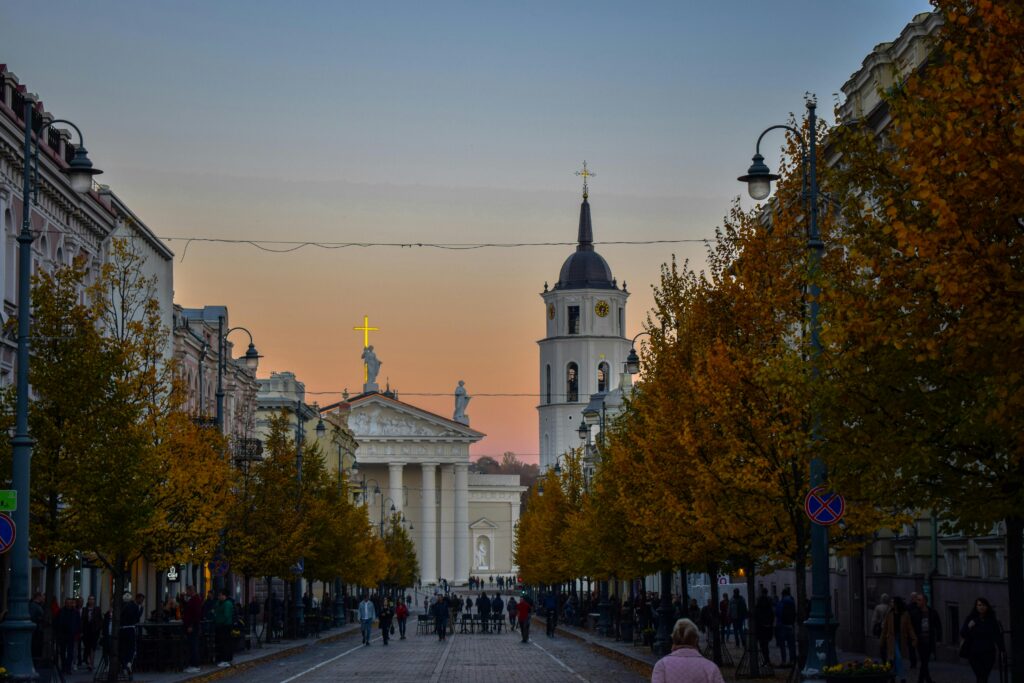
Winter travel here rewards anyone willing to skip the aggregator sites. Book budget carriers directly through Wizz Air’s site, not a booking aggregator. You’ll dodge the markup fees. Walk the Old Town in one loop — it’s UNESCO-listed and compact enough to see in under two hours. Cross into Užupis, the self-declared “independent republic” neighborhood, for cheap cafés and zero tourist markup, despite the novelty. Eat cepelinai (potato dumplings) at a canteen-style spot, not a sit-down restaurant with an English menu — same dish, half the price. Ride the trolleybus system instead of taxis; a single ticket costs under a euro. Skip guided tours of the churches; most are free to enter and self-explanatory. Bring waterproof boots. Vilnius winters bring slush more often than clean snow.
Belgrade, Serbia
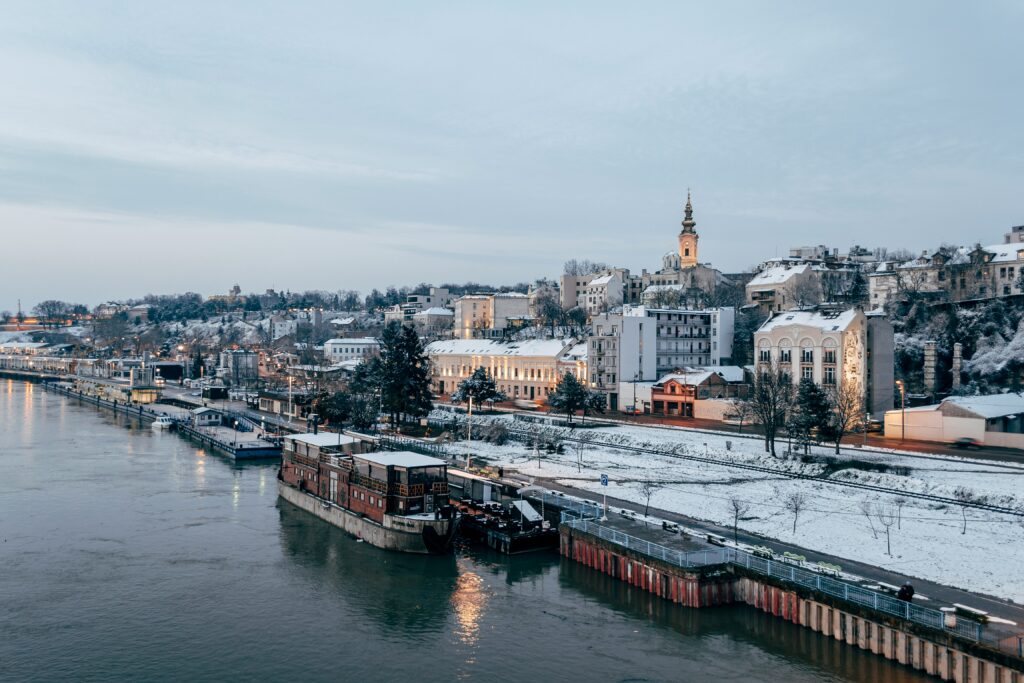
Winter travel doesn’t get cheaper than Belgrade right now. Fly in on Wizz Air or Ryanair from almost any European hub — fares here undercut most of the region. Walk Skadarlija, the old bohemian quarter, at night for live music and no cover charge. Eat ćevapi from a grill counter, not a restaurant — a full meal costs under $4 and tastes better standing up anyway. Skip pricey river-cruise bars docked on the Sava; drink at a kafana instead, where a beer costs a third of the price. Visit Kalemegdan Fortress at sunset — free entry, best light, and the crowds thin out fast once the temperature drops. Use city buses over taxis; a single ticket costs less than a euro if bought from a kiosk instead of onboard. Pack a heavier coat than you think you need. Belgrade’s winter wind off the Danube-Sava confluence cuts harder than the forecast suggests.
Winter Travel Hacks That Apply Everywhere
Book flights on Tuesday afternoon. Prices dip mid-week and airlines release seat sales then. Fly into secondary airports whenever a budget carrier offers one — Beauvais instead of Charles de Gaulle, Bergamo instead of Milan. Use a flight-error-fare tracker app. Mistake fares to Eastern Europe pop up weekly during winter travel season. Set alerts and book within the hour; airlines cancel these fast. Never book accommodation more than 60 days out in winter. Prices only fall as the date approaches, since winter travel demand is thin. Use a credit card with no foreign transaction fees. That 3% surcharge adds up fast across a two-week trip. Withdraw larger sums less often. Every ATM visit costs a flat fee regardless of amount. Eat where locals eat lunch, not dinner. Lunch specials (menu del día, obiad, menü) run half the price of the same dish at night. Buy a city transit pass on day one, always. Do the math once, then stop thinking about fares. Travel between cities by overnight bus or train instead of flying. You save a hotel night and arrive rested if you book a sleeper seat. Pack one serious base layer and skip the rest. Wool merino tops solve more cold-weather problems than three cotton sweaters combined. Download offline maps before landing. Data roaming in non-EU countries gets expensive fast, and you won’t always have Wi-Fi during winter travel abroad.
Winter travel rewards planning, not luck. Pick your city. Follow the moves above exactly. Book early on flights, late on hotels, and never on weekends for anything. The savings compound — a smarter flight, a smarter neighborhood, a smarter lunch spot — until the whole trip costs less than you budgeted for flights alone. That’s what smart winter travel looks like in practice.