

Spring doesn’t politely arrive so much as it bursts open the curtains-sharp light on damp trails, the first chorus of frogs in thawing ponds, and that inexplicable itch in your calves that winter kept under lock and key. If you’ve been coiled inside months of sweaters and screens, the season itself is practically a dare: move, explore, feel the world change beneath your feet. Active adventures for spring aren’t just a checklist of hikes and bike rides; they’re a way to translate the season’s energy into momentum for your body and curiosity for your mind.
After long winters we carry more than extra layers-we carry stagnation in our routines and fog in our moods. Getting outside is a natural reset button: your circulation perks up, your brain floods with sunlight and serotonin, and every uphill step becomes a tiny victory. Every day can involve active adventures.
What makes spring adventures especially relevant right now is their accessibility and variety. You don’t have to be a seasoned trail runner to find something that thrills you. Urban explorers can turn riverfronts into playgrounds, families can swap the playground for a tree-lined scavenger hunt, and weekend warriors can pack a daypack and discover a new ridge before Monday starts. In this article, we’ll explore active adventures for Spring, activities that will ignite your passion for the outdoor recreation and fun.
Alpine Hiking
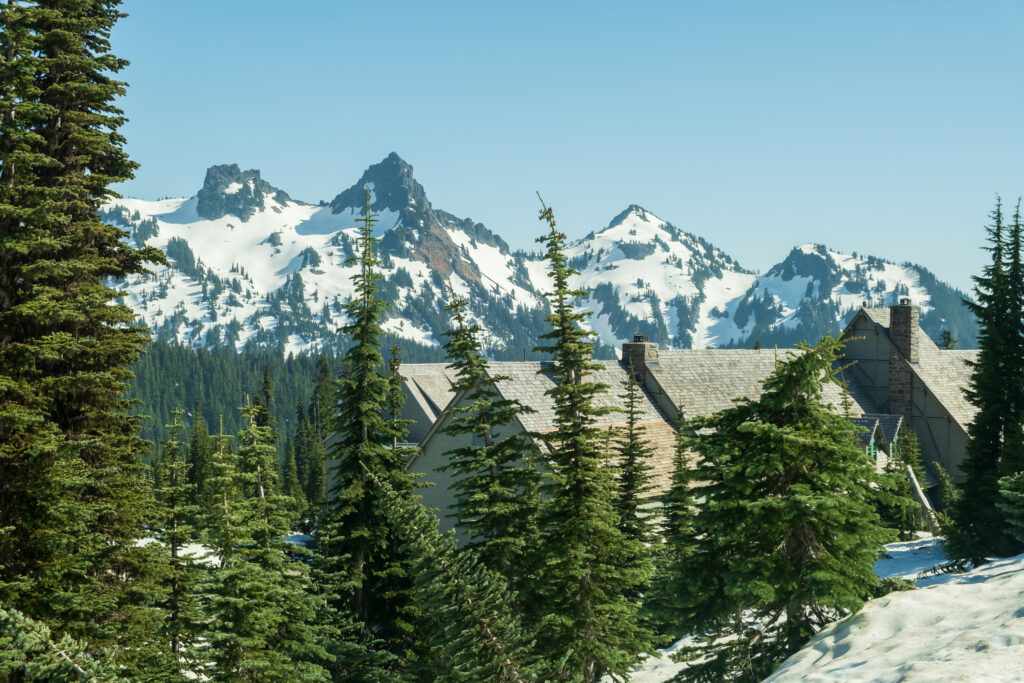
Destination: Mount Rainer, Washington
Ideal Months: March-May
Tip: Expect snow at higher elevations early in spring-check trail conditions and carry crampons/ice axe if needed.
Description: Spring at Mount Rainier is a season of transition where “alpine hiking” often translates to “snow trekking,” one of many active adventures to pursue in the region. While the lower elevations near Longmire begin to show the first signs of green, the high-altitude trails at Paradise and Sunrise typically remain under a deep snowpack well into June or July. For those seeking an active adventure, this period offers a unique “winter-meets-spring” experience—provided you are equipped with waterproof boots, gaiters, and potentially micro-spikes or snowshoes.
Contemporary Conditions: As mentioned, the high alpine environment is currently a “winter wonderland,” where hikers will find rushing waterfalls fueled by meltwater at lower elevations. Visitors should prepare for a “coin toss” of weather—ranging from brilliant sunshine to thick mountain fog—and always check the Northwest Avalanche Center (NWAC) forecasts before heading onto steeper alpine slopes.
Long Distance Hiking
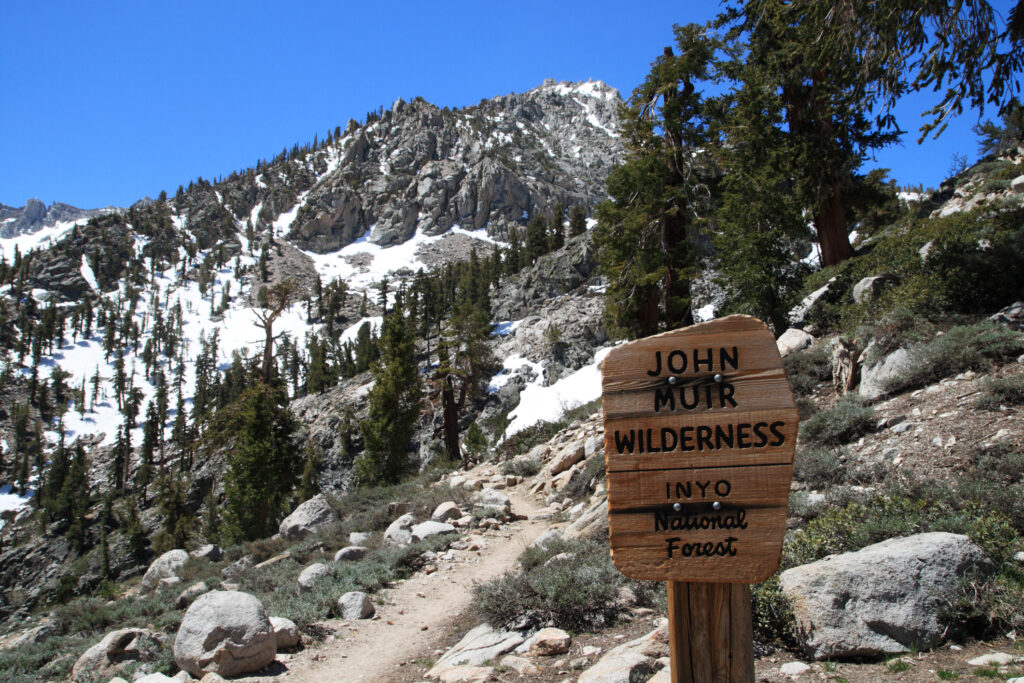
Destination: John Muir Trail, California
Ideal Months: May-June
Tip: Train for multi-day mileage. Please note many high-altitude resorts are closed in early-Spring.
Description: For long-distance hikers, a spring departure—typically in May or June—is less of a traditional backpacking trip and more of a technical mountaineering expedition. While the northern terminus in Yosemite Valley (4,000 ft) may be lush and snow-free, the vast majority of the trail sits above 8,000 feet. Navigating the 10 high-mountain passes, including the 13,100-foot Forester Pass, requires mastery of an ice axe and crampons, as trail markers are buried and “sun cups” (deep, honeycomb-like snow pits) make for grueling, slow-motion travel.
Contemporary Conditions: Permits for the 2026 season are under a strict lottery system; if you missed the Yosemite lottery (which runs 24 weeks out), consider looking for Inyo National Forest cancellations for Southbound starts or “walk-up” permits available online two weeks before your start date.
Mountain Biking
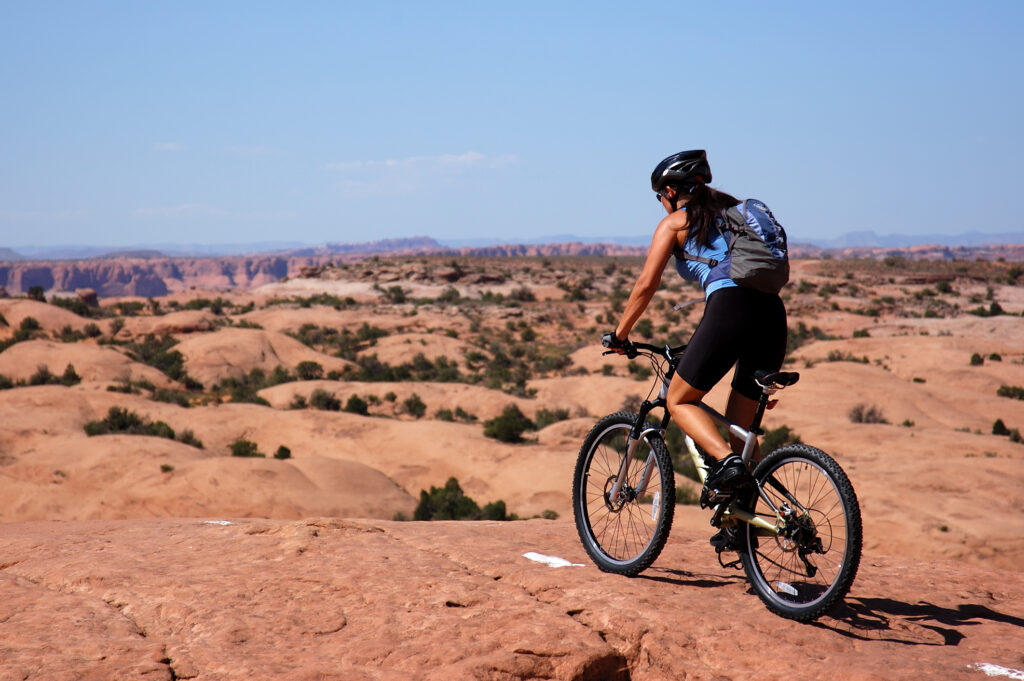
Destination: Moab, Utah
Ideal Months: March-May
Tip: Carry repair kit and check local trail conditions.
Description: Spring in Moab is the “Goldilocks” season for mountain biking, offering a narrow window where daytime temperatures hover in the perfect 60°F to 80°F range before the blistering summer heat arrives. Unlike the high-alpine trails of the Rockies, Moab’s lower-elevation desert tracks—such as the iconic Slickrock Trail and the Moab Brands network—dry out quickly and are typically in prime, “tacky” condition by late March.
Contemporary Conditions: As of late-March 2026, the BLM (Bureau of Land Management) has officially opened over 200 miles of singletrack to pedal-assist bikes, including the Klondike Bluffs and Navajo Rocks systems (though Slickrock and the Porcupine Rim singletrack remain non-motorized). If you are visiting in early May, be aware that the Moab Rocks 3-Day Stage Race (May 2–4, 2026) will bring heavy traffic to the Klondike and Mag 7 areas. For those looking for a paved alternative, the La Sal Loop Road has been fully repaved for 2026, offering a “movie-scene” descent for road and gravel enthusiasts now that construction is complete.
Sea Kayaking & Coastal Paddling
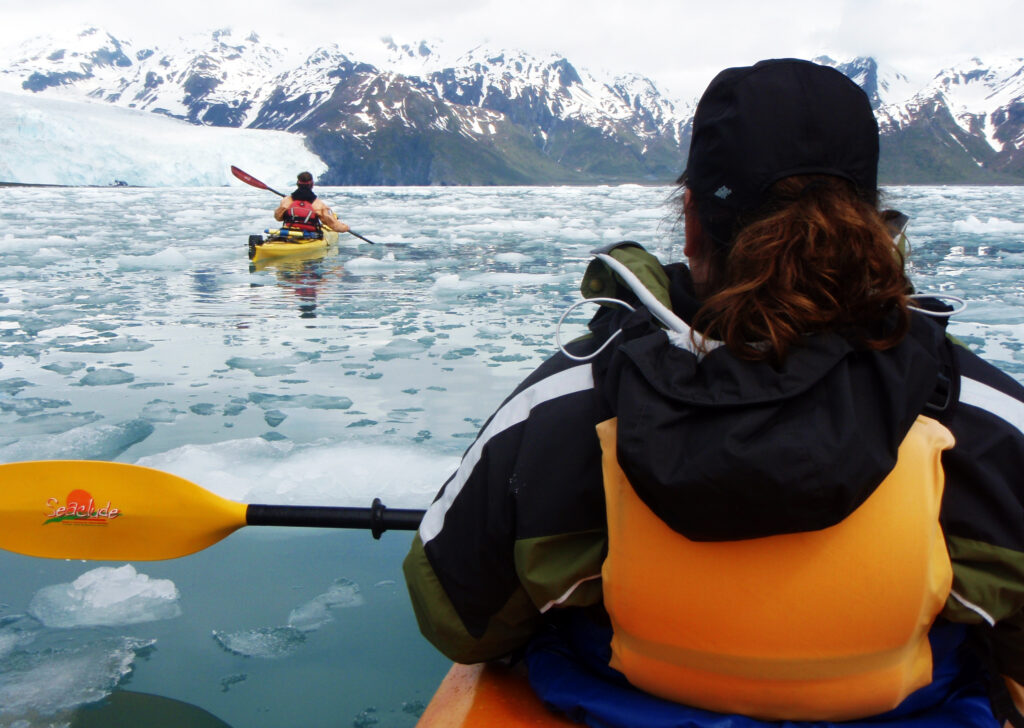
Destination: Kenai Fjords, Alaska
Ideal Months: Late-Spring
Tip: Wear a drysuit or cold-water gear in chillier regions and evaluate tides and present currents.
Description: Sea kayaking in Kenai Fjords during the spring is a serene, high-contrast experience where the deep blue of the North Pacific meets the brilliant white of a retreating winter. While the true “peak” season doesn’t begin until June, the window starting in late April and May is favored by locals for its relative dryness and the return of nearly 18 hours of daylight. Paddling this early allows for a front-row seat to the “awakening” of the fjords; you’ll likely navigate through “bergy bits” (small chunks of glacial ice) and have a high chance of spotting humpback whales and orcas returning to the nutrient-rich waters.
Contemporary Conditions: While the National Park Visitor Centers don’t officially open until May 23, 2026, spring-specific tours like the “Spring Resurrection Bay Cruise” (which can be paired with kayaking) are already operating on a Thursday–Sunday schedule. A significant update for the 2026 season is the implementation of new Tsunami Warning protocols as of March 19, which guides are now incorporating into safety briefings for all coastal trips.
Whitewater River Rafting Trips
Destination: Colorado River Grand Canyon, Arizona
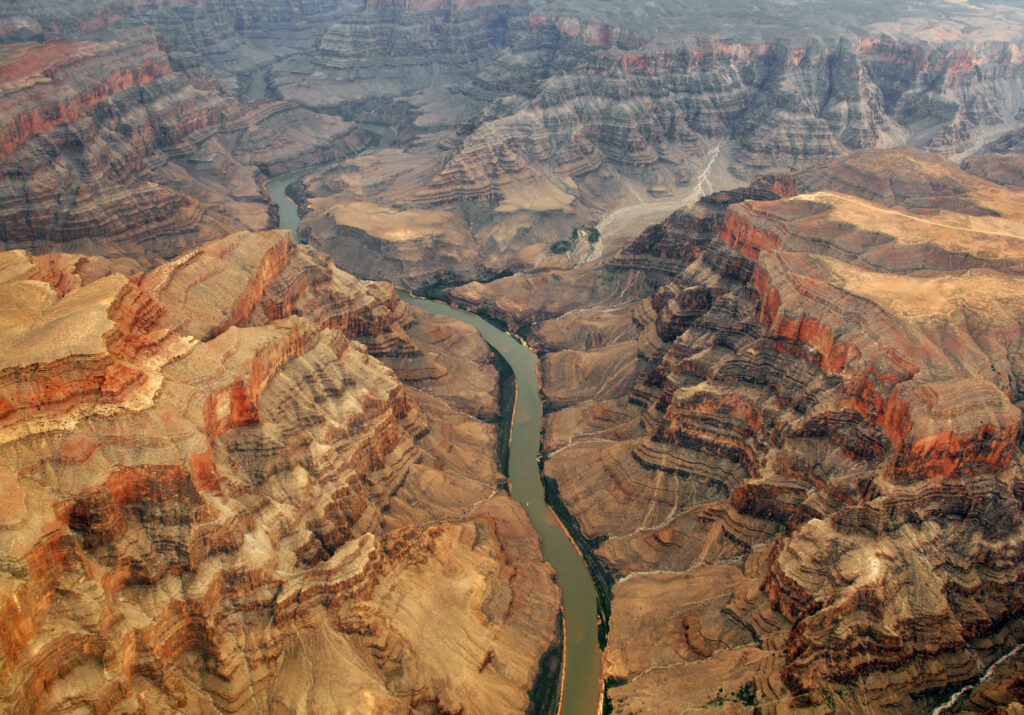
Ideal Months: March-May
Tip: Even if the air is a balmy 85°F, the water coming from the bottom of Lake Powell is a consistent 50°F. Rafters are thus strongly recommended to wear a strongly recommending a “two-layer” splash system: a high-quality GORE-TEX splash jacket for the rapids that you can quickly peel off to prevent overheating during the calm, sunny stretches in between.
Description: Spring on the Colorado River through the Grand Canyon is widely considered the “hikers’ season,” offering a rare window where the inner canyon is lush with desert wildflowers and temperatures are mild enough for extensive side-canyon exploration. While many Western rivers rely on spring snowmelt for their flows, the Colorado’s volume is regulated by the Glen Canyon Dam; in spring, flows are typically moderate (8,000–12,000 cfs), creating technical and fun whitewater without the extreme “big water” surges of mid-summer. The trade-off for the perfect 70°F to 85°F air temperature is the water itself—chilled to a constant 46°F to 52°F—which makes high-quality rain gear or a splash suit essential. This is the ideal time for those who want to trek to hidden gems like Elves Chasm or Deer Creek Falls without the 100°F+ heat that defines the summer months.
Contemporary Conditions: As of March 30, 2026, the Grand Canyon commercial rafting season is officially underway. A key update for the 2026 season: the National Park Service has completed its most recent High-Flow Experiment (HFE), which has helped redeposit sand along the riverbanks, resulting in larger, pristine beach campsites for early-season trips. If you are looking for a 2026 commercial seat, “shoulder season” dates in April and May are currently at 95% capacity, though mid-week cancellations are occasionally available through outfitters based in Page and Flagstaff.
Rock Climbing
Destination: Yosemite, California
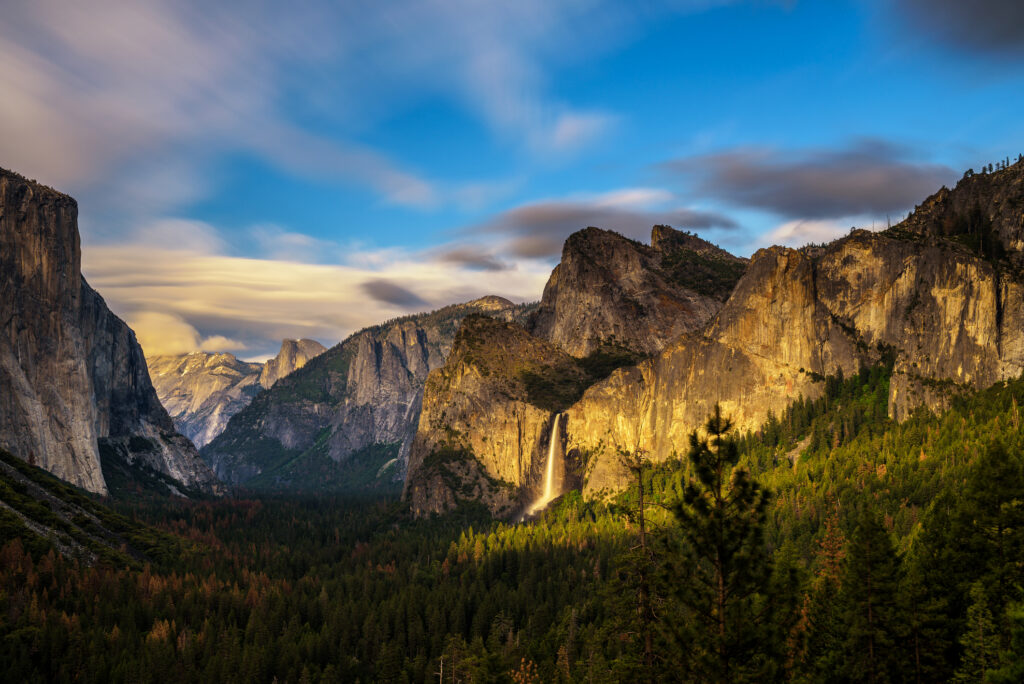
Ideal Months: March-May
Tip: With 2026 spring temps hitting 30 degrees above average, do not rely on “cool weather” hydration. If you are heading up a multi-pitch like Royal Arches or Nutcracker, carry at least 3 liters per person. The reflected heat off the south-facing granite can lead to heat exhaustion much faster than in a typical March.
Description: Spring in Yosemite is the “sweet spot” for rock climbing, offering a high-friction window where the Valley’s granite is “sticky” before the oppressive summer heat sets in. Climbers should expect “waterfall spray” on classic routes like Royal Arches and high and swift water in the Merced River. Because the high-country access via Tioga Road remains closed for the season (typically opening in late May), the climbing community is currently concentrated on the Valley floor, creating a vibrant but busy scene at hubs like El Capitan Meadow and Camp 4.
Contemporary Conditions: As of late March 2026, a significant early-season heat wave has accelerated the snowmelt, leaving lower-elevation walls like El Capitan, Manure Pile Buttress, and the Arch Rock area in prime condition. While the high-country domes of Tuolumne Meadows remain inaccessible due to the seasonal closure of Tioga Road (typically opening in late May or June), the Valley floor is bustling with climbers tackling classics.
Snowshoeing
Destination: Canadian Rockies, Canada

Ideal Months: March-May
Tip: In late March and April 2026, trails are freezing hard overnight. Start your trek early while the snow is supportive. If you wait until 2:00 PM, you risk “post-holing” (sinking to your waist), which is exhausting and can lead to leg injuries.
Description: Spring snowshoeing in the Canadian Rockies is a journey through two seasons at once. While valley floors in Banff and Canmore begin to show patches of bare ground and early-season mud, the sub-alpine and alpine regions remain firmly in winter’s grip with a deep, consolidated snowpack that often lasts into June.
Contemporary Conditions: During the Spring, the Canadian Rockies offers the benefit of longer daylight hours and brilliant “bluebird” skies, but it does require a sophisticated approach to safety: avalanche risk remains high on any slope over 30 degrees as the warming sun destabilizes the snow, and many popular summer trails cross dangerous run-out zones.
Wildlife & Birding Adventure Hikes
Destination: Everglades, Florida
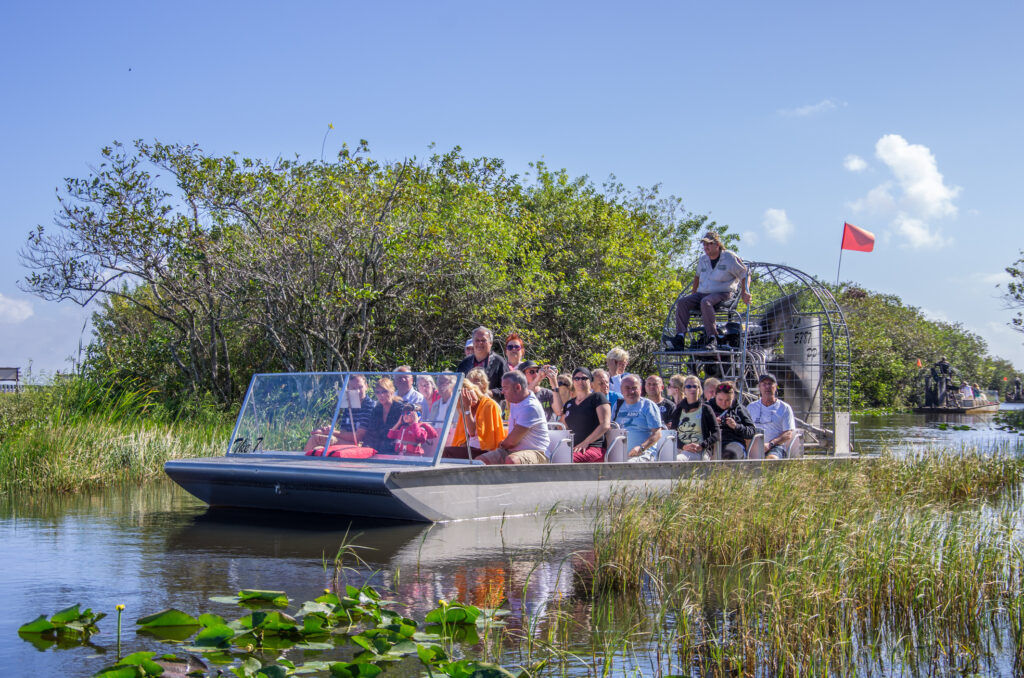
Ideal Months: March-May
Tip: While mosquitoes are typically low in the dry season, the 2026 heat wave means they are starting to emerge earlier than usual in the mangroves. If you’re hiking Snake Bight or Flamingo trails, a head net or long sleeves are now recommended.
Description: Spring in the Everglades is a race against the rising water and the returning heat. During the Spring, the Everglades are in the most dramatic phase of their “dry” season, where receding water levels have forced massive concentrations of alligators and wading birds into the remaining deep-water sloughs. This “biological bottleneck” makes spring the absolute peak for wildlife photography and birding; you can witness wood storks, roseate spoonbills, and great blue herons nesting in dense rookeries, often just feet away from sunning alligators. While the mornings are still pleasant, the “spring transition” is underway: humidity is creeping up, and migratory songbirds are beginning to pulse through the hardwood hammocks on their way north.
Contemporary Conditions: As of late-March, Lake Okeechobee levels are at 12,000 feet, indicating a significantly dry season. This drought-like condition is excellent for hikers because it concentrates wildlife in predictable “gator holes” along trails like the Anhinga and Shark Valley.
Sailing
Destination: Catalina Island, CA
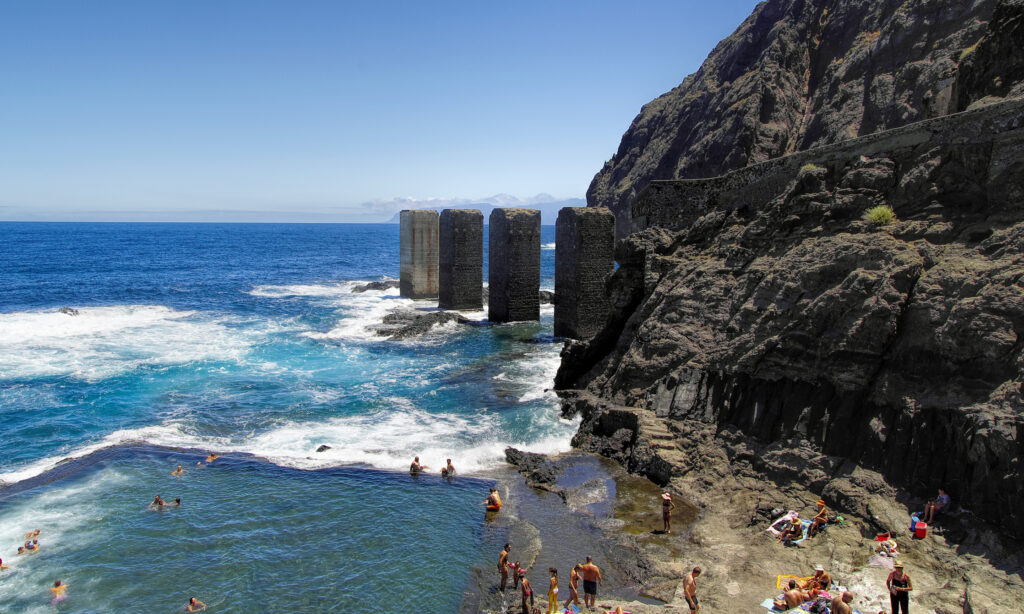
Ideal Months: February-May
Tip: Boaters should note that while Avalon remains a first-come, first-served harbor, the 2026 season for Two Harbors continues its weekend reservation system, with mooring availability released every Thursday at 8:00 PM.
Description: Spring sailing to Catalina Island is a classic Southern California rite of passage, offering a distinct transition from the mainland’s “May Gray” to the island’s burgeoning desert blooms. During March, the sailing season is in full swing, characterized by reliable afternoon “westerlies” that provide a spirited beam reach for vessels departing from Newport Beach, Dana Point, or Marina del Rey. While the 22 to 30 nautical mile crossing of the San Pedro Channel can be choppy in the spring, the reward is an island in its most vibrant state—vivid green hillsides dotted with endemic wildflowers and significantly smaller crowds than the summer peak.
Contemporary Conditions: The “May Gray” marine layer hasn’t quite locked in, meaning one will likely enjoy clear afternoon skies and moderate winds across the San Pedro Channel.
Canyoneering & Gorge Scrambling
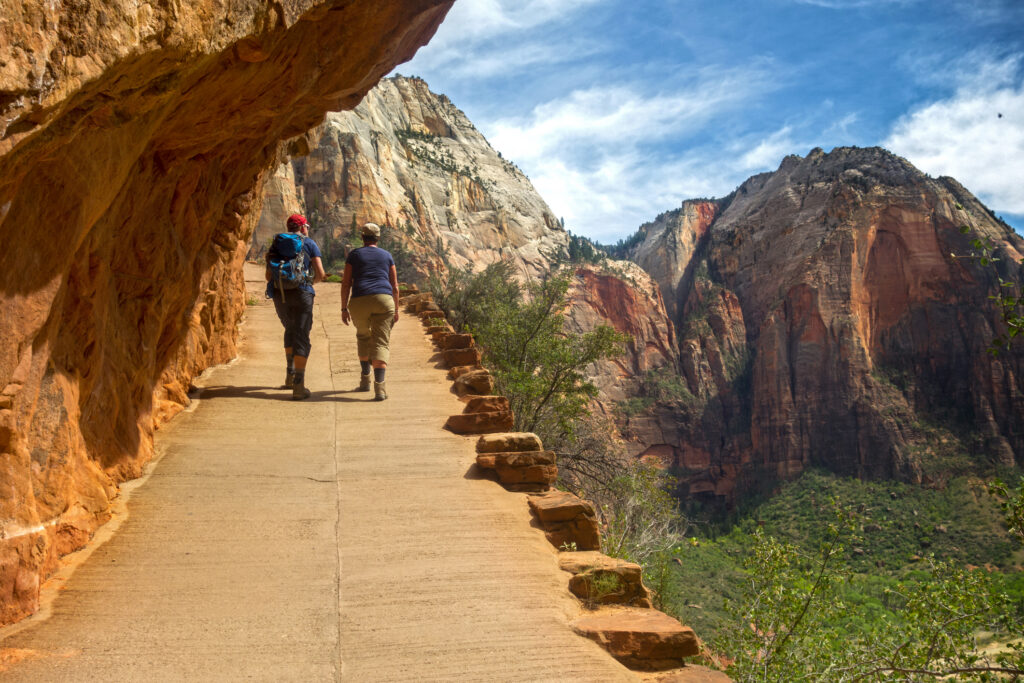
Destination: Zion National Park, Utah
Ideal Months: March-May
Tip: Technical canyons (Subway, Mystery, Pine Creek) require a permit. For 2026, the “Daily Lottery” on Recreation.gov opens at 12:00 PM MT two days before your trip. If you miss that window, a limited number of “Last Minute” permits may be available at the Wilderness Desk starting at 8:00 AM.
Description: Spring in Zion National Park is a high-stakes season for canyoneering, defined by the dramatic “flush” of the Virgin River and its many tributaries. For those seeking active adventures, lower-elevation slots like Keyhole or Pine Creek offer technical rappels and chilly swims, though they require full 4/5mm wetsuits due to the 40°F water temperatures. This is the prime season for “gorge scrambling” in the desert sun, provided you have secured the mandatory 2026 wilderness permits, which are released via a two-month-ahead lottery and a “last-minute” drawing two days before your trip.
Contemporary Conditions: As of late March 2026, the park is transitioning from winter snowpack to spring runoff, making “wet” canyons like The Narrows or The Subway a major challenge; these routes are frequently closed when flow rates exceed 150 cubic feet per second (cfs) to prevent hikers from being swept away.