

The Big Island is not one place. It’s two weather systems, similar to the dichotomous climates of every other island in Hawaii. It features a working volcano, and a rental-car odometer that climbs faster than you’d like. Kona, on the west coast, is dry, sunny, and built on black lava rock. Hilo, on the east, gets rain most days. Kīlauea sits up the hill from Hilo inside Hawaiʻi Volcanoes National Park, doing whatever it pleases, generating molten lava, sometimes erupting, eternally remaining a constant presence.
The island is bigger than all the other Hawaiian islands combined. Split your stay between both sides if you can. A single-base trip here tends to become a driving holiday with occasional scenery.
Below are the stops worth making in each region on the Big Island, the photo spots, and where to eat. Pack a rain jacket for Hilo and a warm layer for the volcano summit, which sits near 4,000 feet. The Big Island, unlike the islands associated with its namesake, featuring dormant “hot-spots,” is still evolving, still growing.
Kona: The Big Island’s Dry Side
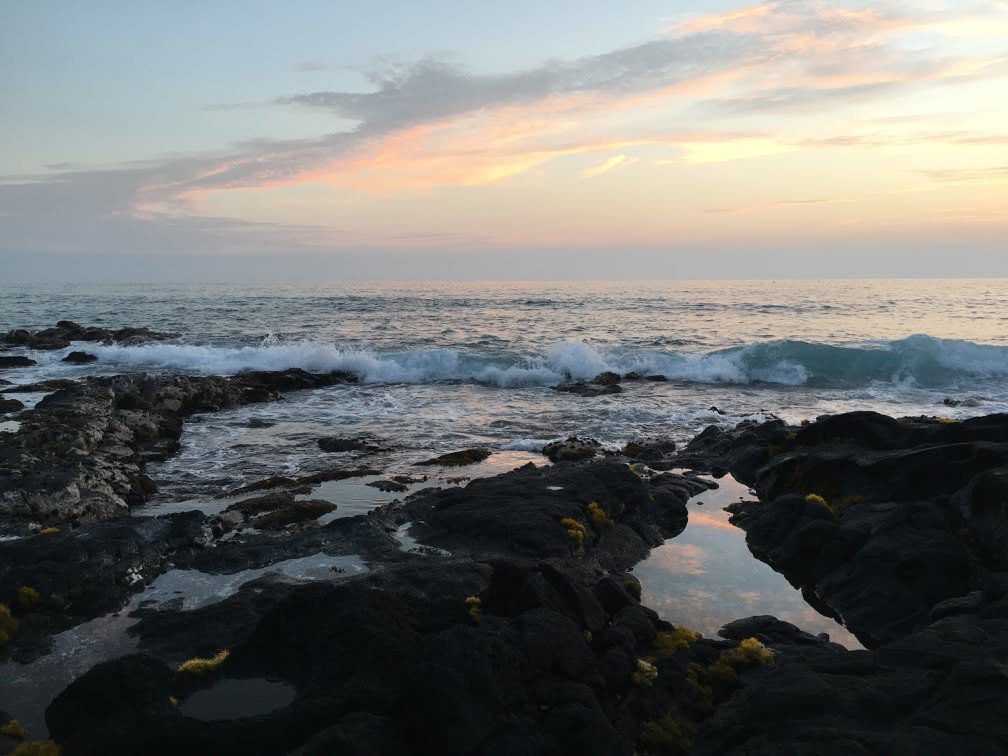
Kona is where most visitors land and where most of the sunshine lives. Lava fields run right down to the water, and the beaches are small pockets of sand between them. Think of it as a desert that happens to have reefs.
Aliʻi Drive and Historic Kailua
The town’s seawall road is a mile or so of shops, bars, shave ice, and history wedged between the traffic. Huliheʻe Palace, built in 1838, was a summer retreat for Hawaiian royalty and is now a museum. Across the street stands Mokuʻaikaua Church, the first Christian church in the islands, with a congregation dating to 1820. The tourists face the T-shirt shops. The church faces the sea.
Kahaluʻu Beach Park
This is easiest, most convenient snorkeling destination on the southern side of the island. An old breakwater keeps the water shallow and calm, so beginners can float over reef fish without much drama. Green sea turtles come in to feed and perambulate or lazily drowse out on the rocks. Federal guidance behooves you to desist from actively engaging with them, and in this instance, I’d respect the insistence of the environmentalists.
Kealakekua Bay
A historical site, the white obelisk where Captain James Cook was killed in 1779, which indicates how his second visit went. Landing at the monument is limited to permitted tour operators. Otherwise you walk the Kaʻawaloa Trail, a steep, hot descent of about 1,300 feet. Going down is fine. Coming back up is a character assessment you’ll have to manage.
Puʻuhonua o Hōnaunau
A national historical park on the coast south of the bay. In old Hawaiʻi, a person who broke a kapu (sacred law) could escape death by reaching this place of refuge. The massive stone wall still stands, along with carved wooden kiʻi (temple images) facing the water. Next door, the lava shelf locals call Two Step offers some of the clearest snorkeling on the coast. Mind the step, or gap (if you’re British).
Holualoa and the Coffee Belt
Kona coffee grows on the upslope of Hualālai and Mauna Loa, where the afternoon clouds roll in on schedule. Holualoa is a small village of galleries and farm stands along this belt. Many farms run tours and tastings. “Kona blend” on a supermarket bag can legally mean a small share of Kona beans, so read the label like a contract.
Hilo and the Big Island’s Wet Side
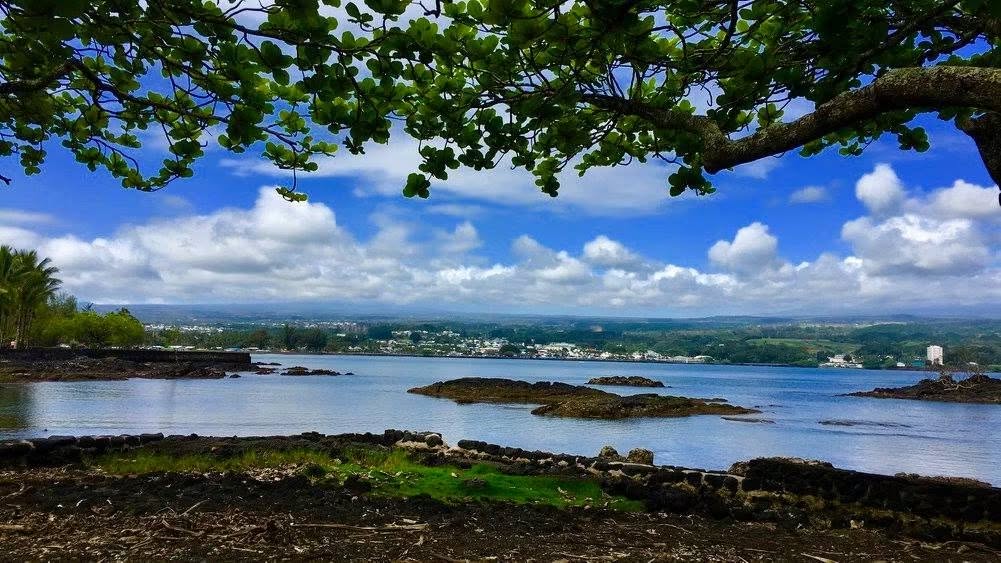
Hilo is the older, slower, greener town. It’s one of the rainiest cities in the United States, and it’s also where you’ll find waterfalls, gardens, and a downtown that predates the resorts by about a century. The rain is the price of admission. The ensuing wanderlust is the receipt.
Rainbow Falls
Waiānuenue, as it’s called in Hawaiian, sits five minutes from downtown. The falls drop about 80 feet into a wide pool. Come in the morning, when the sun angle catches the mist and the namesake rainbow actually shows up. A short drive upriver, Boiling Pots is a chain of pools where the water churns through lava rock. Look, but don’t swim. The current there has drowned people.
Downtown Hilo and the Farmers Market
The Hilo Farmers Market runs on the corner of Kamehameha Avenue and Mamo Street, with Wednesdays and Saturdays the big days. Expect rambutan, apple bananas, lilikoi, and orchids at prices that make mainland florists look silly. A block away, the Pacific Tsunami Museum explains why Hilo’s waterfront is mostly parkland. The 1946 and 1960 tsunamis wiped out much of it, and the town chose not to rebuild in the same spot.
Liliʻuokalani Gardens and Coconut Island
A Japanese-style garden on Banyan Drive, with stone lanterns, arched bridges, and fishponds. Across a short footbridge sits Moku Ola, or Coconut Island, a tiny park where local kids jump off the old tower into the bay. Watching them is free. Joining them is your call.
Kīlauea and Hawaiʻi Volcanoes National Park
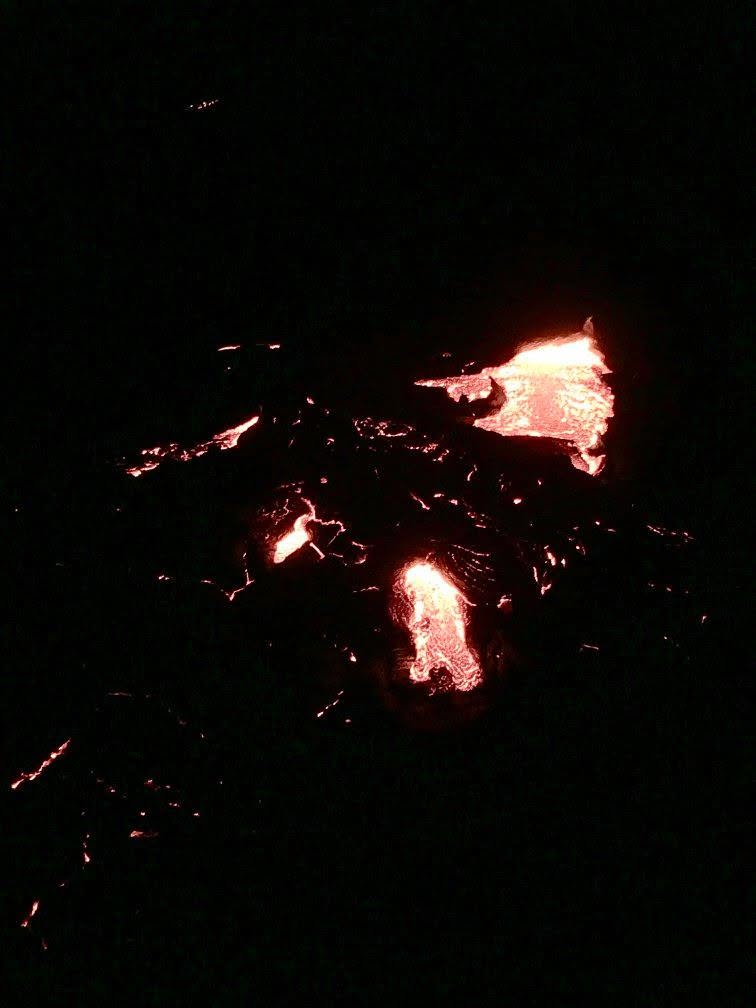
Kīlauea is one of the most active volcanoes on earth, and its mood changes week to week. Before you go, check the park’s website and the USGS Hawaiian Volcano Observatory for current eruption status and closures. A glow you saw on Instagram last month may not be there now. Conversely, the volcano does not need your itinerary’s permission. Remain cautious, lava tends to be obscenely hot.
Crater Rim Drive and Halemaʻumaʻu
The summit road loops partway around Kīlauea’s caldera, with overlooks into Halemaʻumaʻu, the crater at its center. The 2018 collapse dropped the caldera floor by hundreds of meters (only a month after I was there), so older guidebook photos show a different landscape entirely. After dark, during an active eruption, the glow from the overlooks is the main event. Bring a jacket. The summit runs cool and damp at night, and lava light does not count as heating.
Nāhuku (Thurston Lava Tube)
A short walk through tree-fern forest leads into a lava tube, a tunnel left behind when the outer crust of a lava flow hardened and the molten core drained out. It’s lit, paved, and over in about 20 minutes. Midday tour buses make it feel like a subway platform.
Chain of Craters Road
The road runs about 19 miles from the summit to the sea, dropping roughly 3,700 feet past old craters and flows from the 1970s. At the bottom, the Hōlei Sea Arch stands where lava cliffs meet the surf. There’s no food, fuel, or drinking water along the way. Fill all three before you start, enjoy the scenery without any outside entanglements or worries.
Steam Vents and Sulphur Banks
Two easy stops near the visitor center. Groundwater seeps down, hits hot rock, and rises as steam through cracks in the ground. Sulphur Banks adds yellow mineral crusts and the smell of rotten eggs. People with heart or breathing problems, pregnant visitors, and small children should skip the Sulphur Banks boardwalk. Everyone else can hold their breath for the photo and inhale afterwards.
Big Island Instagram Spots
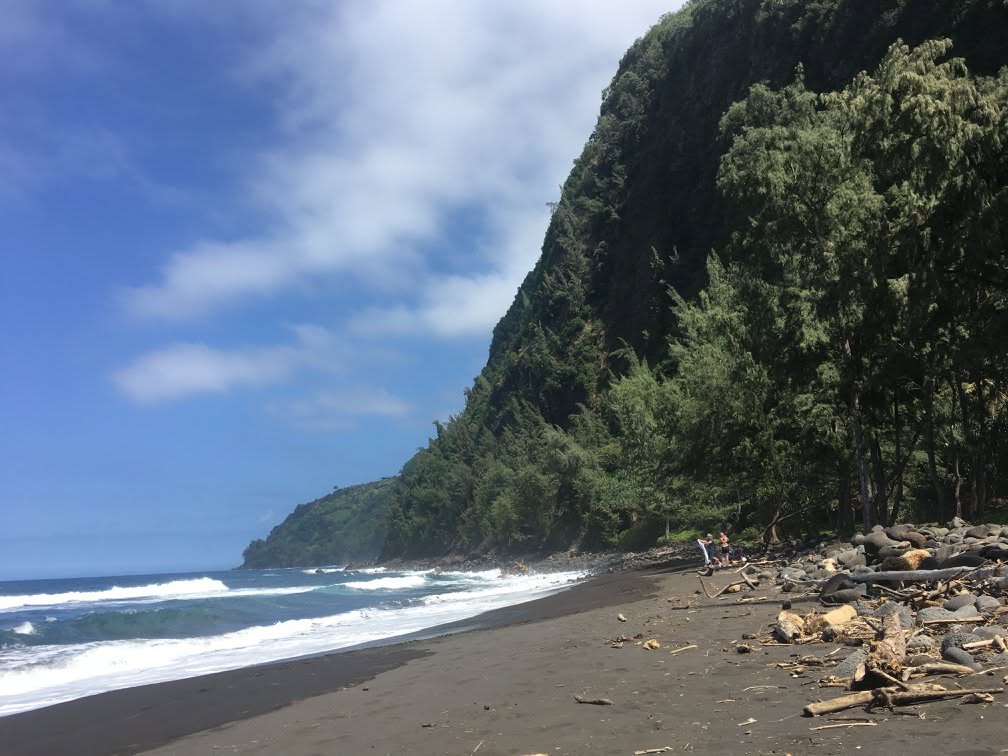
- Punaluʻu Black Sand Beach: If you’re tired of postcard-perfect white sand, Punaluʻu is here to sell you on pitch-black volcanic grit that gets ridiculously hot within five seconds of daylight. Created when boiling lava smashed into the cold ocean and exploded into tiny black pebbles, this place looks dramatic, but walking barefoot on it is a fast way to regret all your life choices. Very similar to the Glass Beach in Kauai, except not adjacent to a landfill and industrial site.
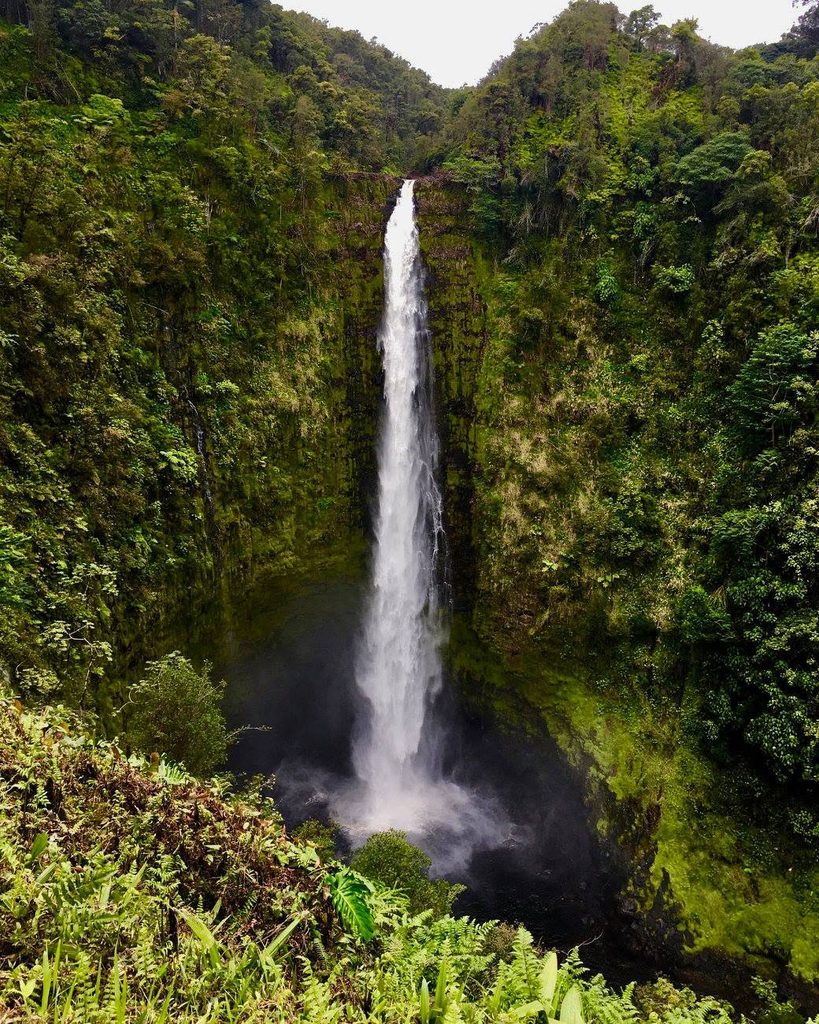
- ʻAkaka Falls: Ākaka Falls drops into a dense, emerald abyss of lush Hawaiian rainforest. Verdant canopy hides quiet dampness, mist naturally saturates the humid air. Visually striking. Perpetually damp. Spectacular geological spectacle.
- Kīlauea Iki Crater Floor: Desiccated expanse. Solidified magma. Kīlauea Iki Crater Floor offers a subterranean amphitheatre of cool, hardened basalt. Steam vents whisper lingering geothermal fury. Fissures gapingly dissect the scorched, apocalyptic floor. It’s an anthem for geological nerds.
- Coconut Island: Grassy islet. Coconut palms. Connected to the Big Islland via a narrow wooden footbridge. It serves as a refuge from a larger landmass of refuge, a timeless place that inspires tranquility.
Where to Eat on the Big Island
Kona
- Da Poke Shack: Located in the heart of Kona. Poke by the pound in a tiny storefront. Goes fast at lunch.
- Kona Brewing Pub: A pint and pizza, with ribaldry and good-tenored fun involved? This is where you should go.
- Island Lava Java: If you like coffee, this will provide you with the requisite caffeine jitters.
- Coffee Farm Tasting: Located in Holualoa. Free samples, persuasive salespeople, a friendly atmosphere.
Hilo
- Café 100: A Hilo institution, renowned for its Loco Moco. For those patricians among you, a Loco Moco is a dish including rice, a hamburger patty, a fried egg, and brown gravy. Being poor never tasted so good.
- Two Ladies Kitchen: Known for its handmade mochi. The strawberry version sells out first.
- Suisan Fish Market: Fun to visit, and the best place to purchase fresh catches.
- Hilo Farmers Market: Incredibly vibrant atmosphere where you’ll have the opportunity to purchase fruit us mainlanders have never heard of.
