

Summer crowds clear out. The air turns crisp. The trees put on a fireworks show. Welcome to national parks in fall, the season that makes July look like amateur hour. Fall delivers three gifts. You get thinner crowds, golden color, and hiking weather that will not melt your face. You also get photos that make your friends text back in all caps. This guide works like a strategy manual. You get six tactics. Each one gives you a timing trick and a target park. Each one ends with a script for the front desk or the ranger station. Think of it as cheat codes for leaf peepers. Follow the tactics in order or jump to the one you need.
Grab a coffee. Open your calendar. Let’s pick your park, dodge the lines, and catch the color at its peak.
Tactic 1: Time Your Trip to the Color Calendar
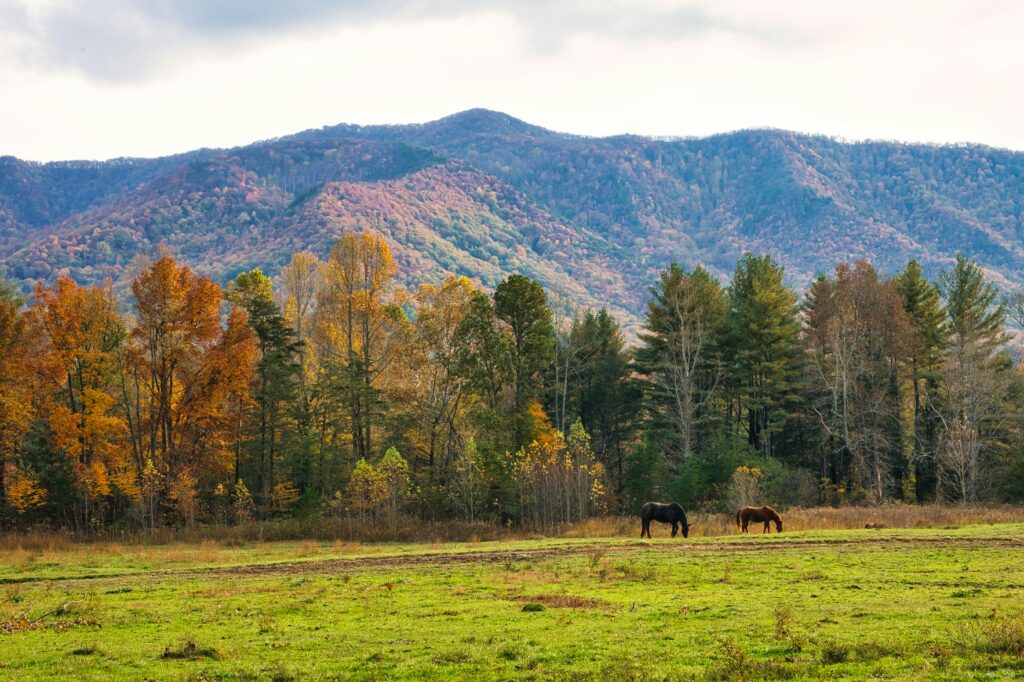
Leaves follow elevation, not your vacation schedule. High ground turns early. Valleys turn late. Plan national parks in fall around that rule to stretch your window. Great Smoky Mountains National Park shows it best. Color arrives on the high ridges in early October. It creeps down to the lower valleys by early November. One park gives you several weeks of chances.
Scan the park website and social feeds as you plan. Rangers post foliage updates as the color moves. Call the visitor center to confirm. Say this: “Hi, I’m visiting on Saturday. Which elevations show peak color this week?” Rangers answer that question all day. They will point you to the right road.
Use this rough calendar as a starting point. Grand Teton and Glacier turn earliest, usually in late September. Acadia peaks in early to mid-October. Shenandoah and the Smokies follow in mid to late October. Zion’s canyon cottonwoods glow in late October and early November. Leaves do not read your calendar. Track the forecast too. A cold snap speeds up color. Heavy rain strips leaves fast. Book refundable stays and keep your dates flexible.
Tactic 2: Beat the Crowds Before the Sun Does
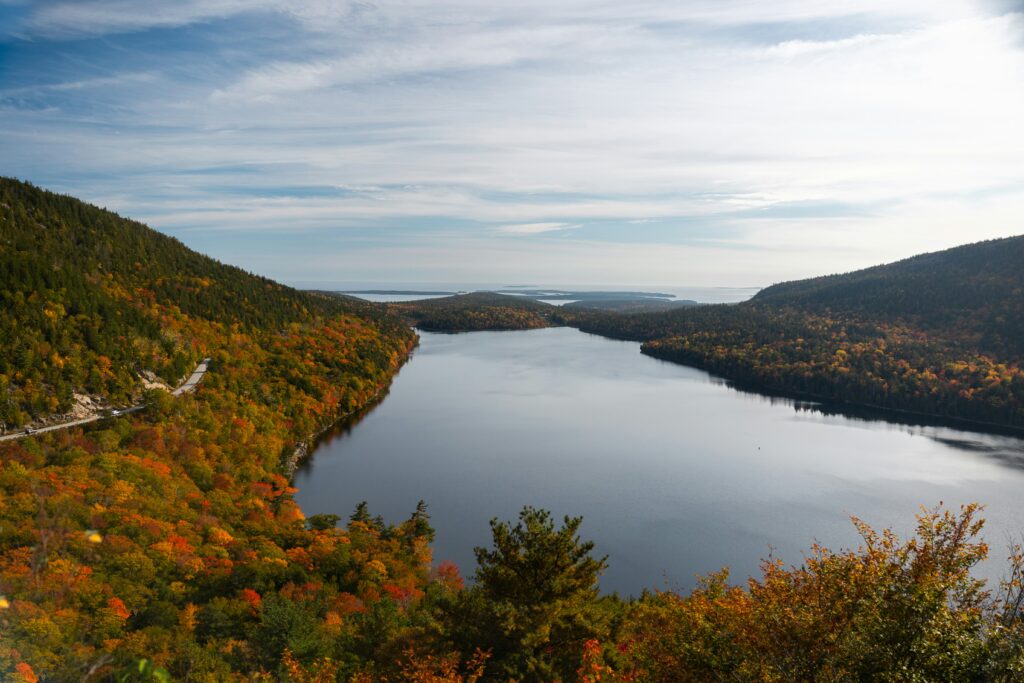
Fall is shoulder season, but popular national parks in fall still fill up on weekends. The Smokies, Acadia, and Shenandoah draw serious traffic in October. Plan around that. Visit Tuesday through Thursday. Weekday overlooks feel like private screenings. Weekend overlooks feel like a concert exit.
Start early. Arrive at the trailhead at sunrise. You skip the parking scramble and catch soft light on the leaves. Avoid the famous trail at noon. Pick the second-best trail instead. Ask a ranger: “The main trailhead looks packed. Where do locals go for the same view?” Rangers always have an answer. Most of them love giving it. Pack a thermos and a breakfast bar. You eat on the trail while everyone else idles in line.
Reserve what you can. Cadillac Summit Road in Acadia requires a vehicle reservation through late October. Rocky Mountain National Park has used timed-entry permits into October. Check each park’s page for current rules. Book the moment slots open. Fall weekend slots vanish fast. Call lodging directly and use this line: “Do you have any midweek openings during peak foliage? I’ll take any Tuesday through Thursday.”
Tactic 3: Chase Gold in the Northern Rockies
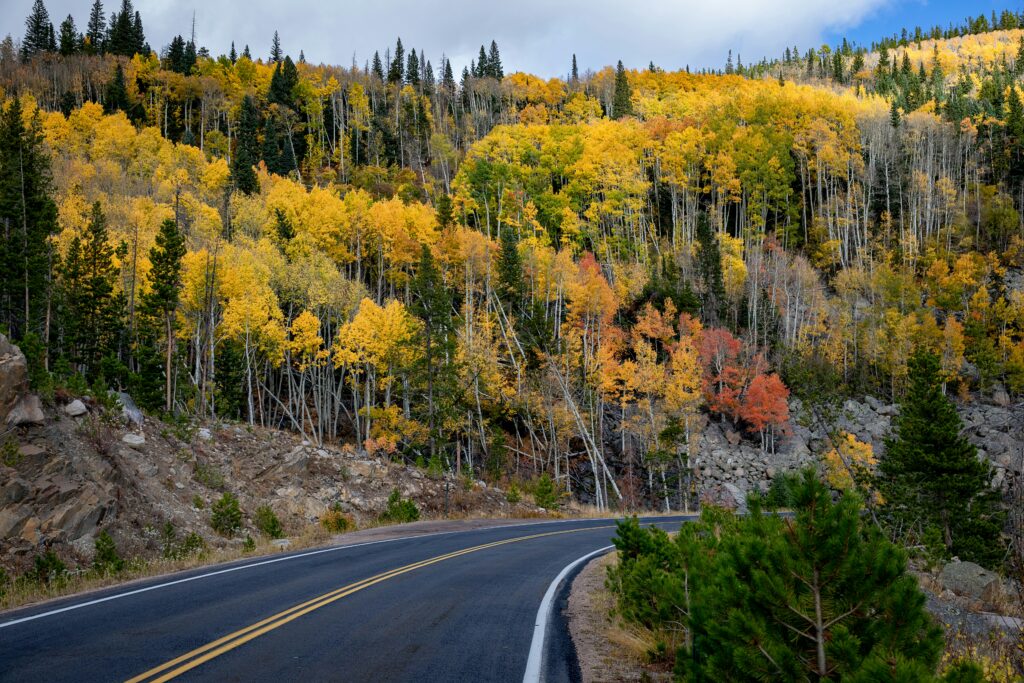
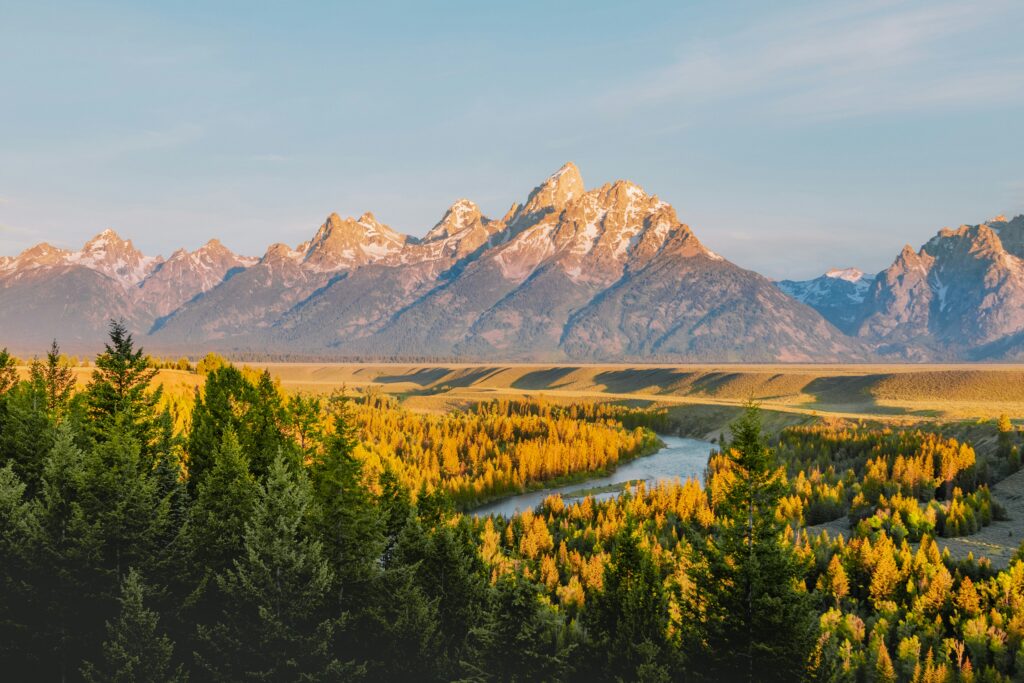
Aspens do not mess around. Rocky Mountain National Park lights up with gold in late September. Grand Teton follows with aspens and cottonwoods along the Snake River. Glacier adds a twist. Its western larches turn bright yellow in early October. Rank these parks high among national parks in fall for color and mountain views in one frame.
Add wildlife to the plan. Elk rut season runs from mid-September into October at Rocky Mountain. Bulls bugle at dawn and dusk. The sound will raise the hair on your arms. Stay at least 25 yards back. Bulls in rut have zero chill. Dress warm for those dawn concerts. Bring binoculars and let the zoom do the work. Park in designated pullouts, never on the road. Elk traffic jams are real, and they are noisy.
Check road status ahead of your drive. Snow can close high roads without warning. Glacier’s Going-to-the-Sun Road often closes at Logan Pass by mid-October. Call the park and ask: “Is the road open through the pass today? What does tomorrow’s forecast look like?” Keep a backup plan. A lower-elevation drive beats a day on the couch.
Tactic 4: Go South for Cool Weather
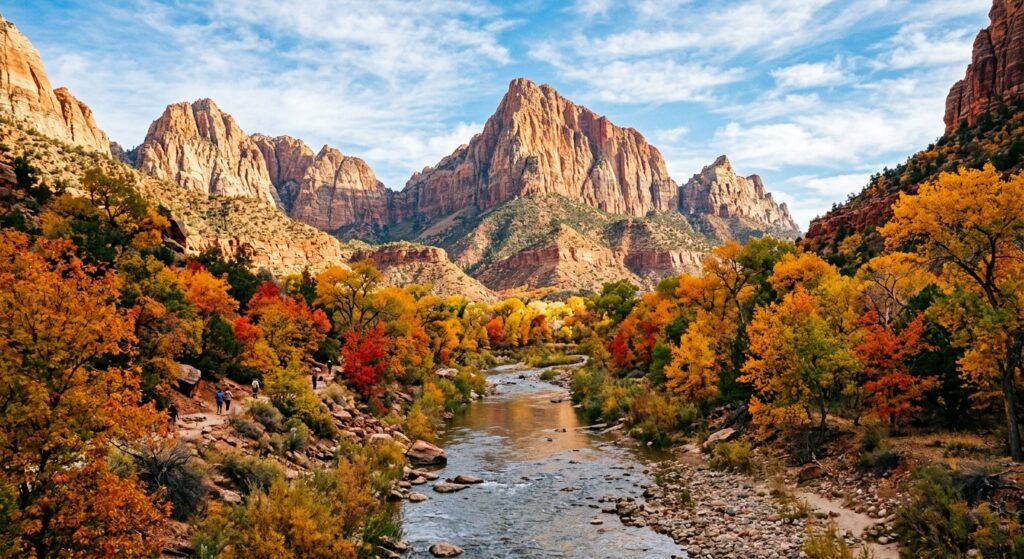
Summer in the desert is a hard no. Fall changes the math. Zion, Joshua Tree, and Big Bend rank among the smartest national parks in fall for hikers who hate sweat. Zion’s October highs sit in the 70s. Canyon walls glow in the afternoon light. Joshua Tree and Big Bend cool off by November. Midday hikes feel like a pleasure, not a dare. Pack sunscreen anyway. Desert sun does not take October off. Carry plenty of water, even in cool air.
Zion deserves a game plan. The canyon shuttle runs through much of the fall, and private cars stay out of the main canyon. Check the shuttle schedule in advance. Park in Springdale and ride the free town shuttle to the park entrance. Planning the Narrows? The water runs cold. Rent neoprene socks and dry pants from an outfitter in town.
Talk to the outfitter. Say this: “What are the Narrows conditions today, and what gear do you recommend?” Flash floods are real in the desert. Check the forecast every morning. Rain upstream means no slot canyons. No photo is worth the risk.
Tactic 5: Book Smart and Save Money
Lodging at national parks in fall sells out fast. Many park lodges open reservations a year ahead. Check for cancellations a few weeks out. Park lodges release rooms all the time. Gateway towns offer more options and often better prices. Look at Gatlinburg, Estes Park, Bar Harbor, and Springdale.
Compare full packages against separate bookings. Price flights, rental cars, and hotels together on Expedia. Bundles sometimes beat separate prices. Fall rates often dip in September. Peak foliage weekends stay pricey. Choose refundable rates. Shift your dates as the color shifts. Price midweek flights too. Tuesday and Wednesday departures often cost less.
Call the front desk and use this script: “I’d like to join your cancellation list for peak foliage weekends. Can you call me about any opening?” Add another ask: “Do you offer a better rate for a four-night midweek stay?” Be polite. Be specific. Front desk agents help the guests who make their jobs easy. Thank them by name. Agents remember kind callers when a room opens.
Tactic 6: Pack for Four Seasons Before Lunch
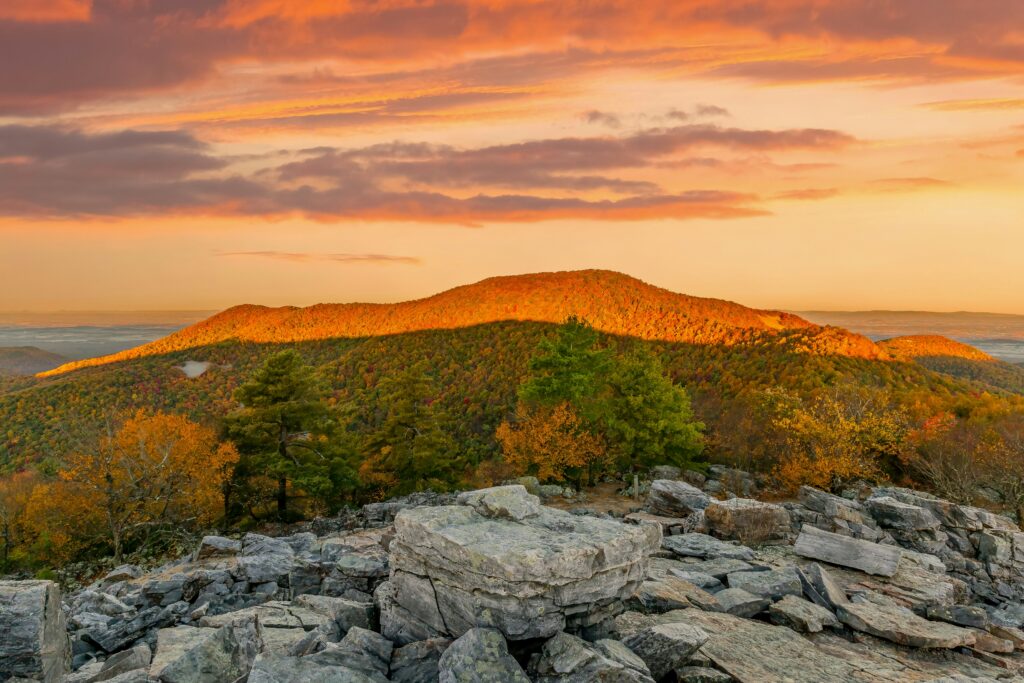
Fall mountain weather swings hard. Mornings start near freezing. Afternoons feel like a sweater betrayal. Evenings drop fast. Pack smart for national parks in fall and layer like a pro. Bring a base layer, a fleece, and a waterproof shell. Add a hat, gloves, and sturdy boots. Cotton stays wet and cold. Wear wool or synthetics.
Respect the shorter days. Sunset comes early in October. Daylight saving time ends November 1, 2026, and darkness arrives even sooner. Carry a headlamp, even for short hikes. Pack extra water and snacks. Download offline maps for the dead zones. Pack a small med kit. Bring a charged camera battery. Cold drains phones fast. Tell someone your route and your return time. Check the weather at the trailhead, not just in town. Mountain conditions change fast.
Talk to a ranger about any big hike. Say this: “I’m starting at 2 p.m. What time is sunset? What turnaround time do you recommend?” Follow the answer. Turn around on time. The summit will be there tomorrow. The view does not improve in the dark.
Your Game Plan for National Parks in Fall
You now have the playbook. Pick your goal and match it to a park. Want color? Head to the Smokies or Acadia. Want elk and gold aspens? Choose Rocky Mountain. Want warm days and cool nights? Pick Zion or Joshua Tree. Want solitude? Aim for a weekday anywhere. Want a story for the group chat? Get up before dawn.
Plan in this order. Choose your park. Check the foliage report. Book a refundable room. Reserve any permits. Pack your layers. Pick up the phone and use those scripts. A two-minute call can save you a two-hour headache. Bookmark this guide and share it with your travel crew.
National parks in fall reward the people who plan and the people who show up early. Do both. Fall will not wait for you. The color peaks, the crowds return, and snow closes the roads. Pick a date this week. Your next great trip starts with one phone call. Make it today. Set your alarm. Fill the thermos. Watch the sun hit the ridgeline. Your well-traveled friend makes one promise: you will not miss July.