

Not every pin on the map deserves your passport stamp this year. The truth is, the world’s most “must-see” places can quickly become the very reason your vacation feels like a chore: bottlenecked viewpoints, sold-out tickets, heat waves that melt the magic, and crowds so thick you’ll spend more time in line than in awe.
There are also destinations that need a breather and others that will put your patience, wallet, and well-being to the test. Overtourism can turn iconic streets into conveyor belts, while climate extremes, infrastructure strain, and shifting local regulations can make even the best-laid itineraries unravel. Add in closures, restoration periods, and the occasional tourist trap designed to siphon your time and money, and you’ve got a map full of beautiful places delivering lackluster experiences.
This guide will spotlight tourist destinations to avoid this season, ones that are overcrowded, encountering dissuading impediments, or are generally unsafe.
Bali, Indonesia
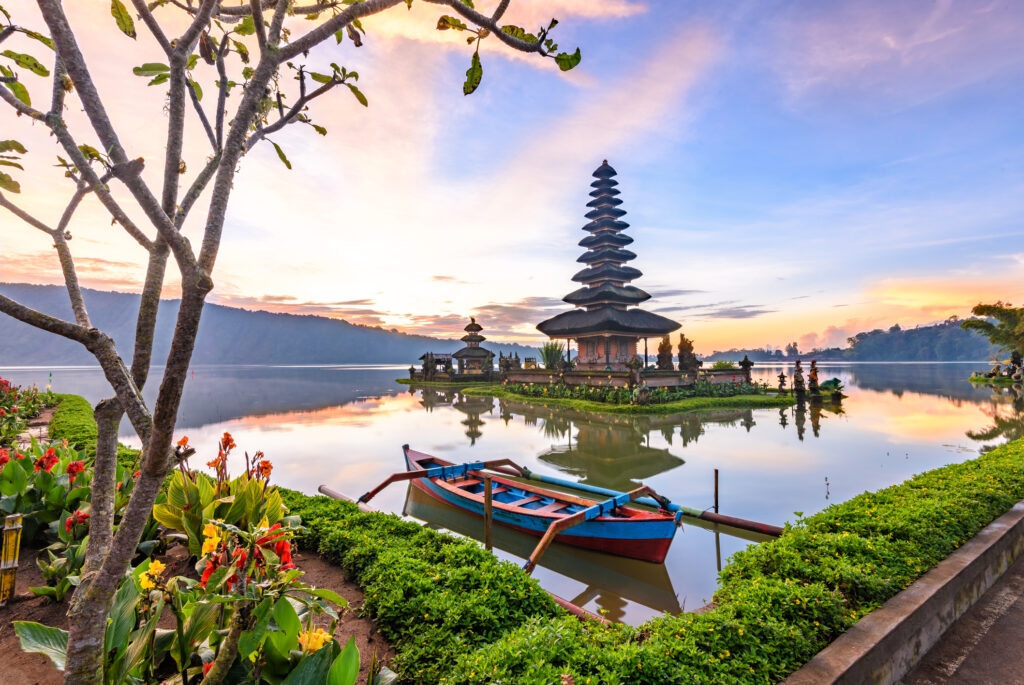
The Allure: Bali, Indonesia, is a highly sought-after tourist destination due to its rich cultural and spiritual heritage, exemplified by its numerous temples, daily rituals, and traditional arts. Beyond its vibrant spiritual life, the island offers natural beauty, from the iconic rice terraces and volcanoes to beaches perfect for relaxation or surfing. It’s also a global hub for wellness and rejuvenation, with abundant spas and yoga retreats.
Why A Tourist Destination To Avoid?: While Bali has long captivated travelers with its spiritual charm and natural beauty, it has increasingly become a destination to approach with caution due to the severe impacts of overtourism. The rapid and often unregulated growth of tourism has placed immense strain on the island’s infrastructure, environment, and local way of life.
While Bali nevertheleess possesses undeniable allure, its status as a top tourist destination is increasingly overshadowed by overtourism, environmental damage from plastic pollution and water scarcity, overwhelming infrastructure issues; all of which potentially negate its overall value as worthwhile tourist venue.
Everest Base Camp, Nepal
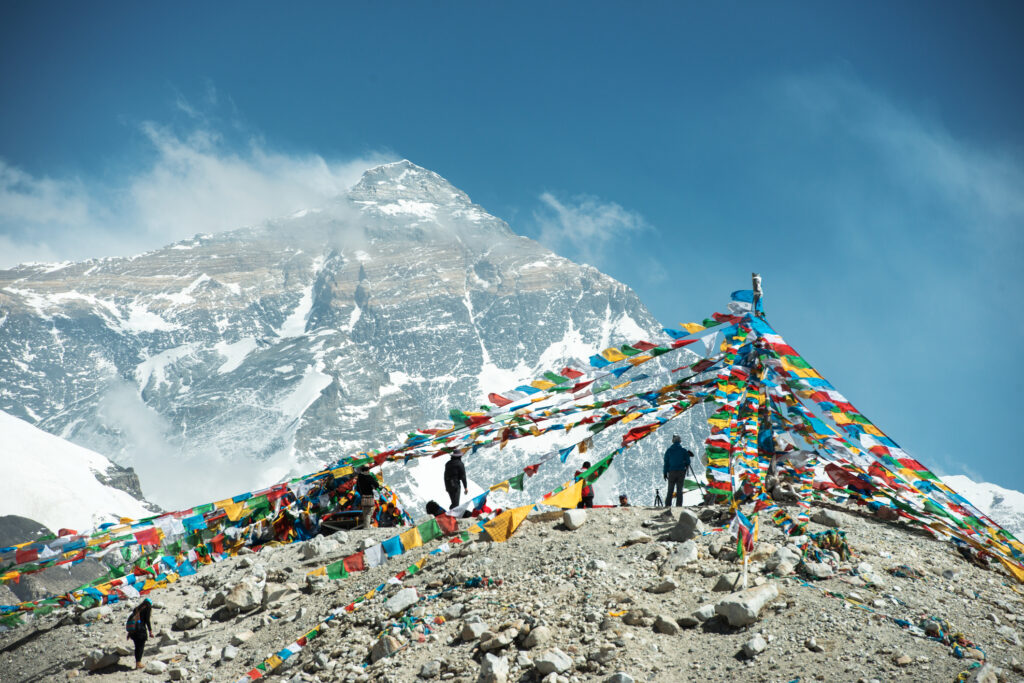
The Allure: Visiting Everest Base Camp (EBC) is a dream for many adventurers, offering a unique blend of physical challenge, breathtaking natural beauty, and profound cultural immersion. It’s an experience that transcends a typical vacation, often described as a life-changing journey.
One of the primary draws is the sheer majesty of the Himalayan landscape. The trek takes you through diverse terrain, from lush rhododendron and pine forests in the lower valleys to barren, glacial moraines as you ascend. Along the way, trekkers are constantly treated to awe-inspiring panoramic views of some of the world’s highest peaks, including Ama Dablam, Lhotse, Nuptse, and, of course, the ultimate prize: Mount Everest itself.
Tourist Destinations To Avoid?: While reaching Everest Base Camp (EBC) remains a cherished goal for many, the increasing popularity of the trek has brought significant challenges, making it a destination that some might consider avoiding or approaching with considerable caution.
Safety and overcrowding are growing concerns at the Everest Base Camp. The Everest Base Camp trek, while not technically a climb, presents inherent risks, primarily including altitude sickness. The influx of less-prepared trekkers, sometimes rushing their ascent, increases the incidence of severe altitude-related illnesses, which can be life-threatening. The trails, particularly during peak seasons, can also become congested, diminishing the sense of remote adventure and potentially leading to bottlenecks in hazardous areas. Furthermore, the reliance on flights to and from Lukla Airport, known for its challenging conditions and frequent weather-related delays or cancellations, can cause significant logistical headaches and add stress to the journey.
Acapulco, Mexico

The Allure: Acapulco, once the glamorous playground of Hollywood stars and jet-setters, still holds an undeniable appeal for travelers seeking a vibrant Mexican coastal experience. Despite its challenges, there are several compelling reasons why one might choose to visit this historic Pacific gem.
Beyond its scenic allure, Acapulco offers a unique blend of iconic attractions and thrilling activities. The most famous spectacle is undoubtedly the La Quebrada Cliff Divers , where daring professional divers plunge from heights of up to 135 feet into a narrow cove, a tradition that has captivated audiences for decades. Visitors can also explore historical sites like the star-shaped Fort of San Diego, which now houses a museum detailing Acapulco’s rich history as a major Spanish colonial trade port between Mexico and Asia. For adventure seekers, activities like snorkeling around La Roqueta Island to discover vibrant marine life, exploring the Coyuca Lagoon with its diverse birdlife and lush mangroves, or even experiencing the world’s longest over-the-water zip line, Xtasea, provide ample excitement.
Tourist Destinations To Avoid?: While Acapulco evokes images of glamorous mid-century getaways and daring cliff divers, recent years have unfortunately transformed it into a destination with significant safety concerns, making it advisable for most tourists to avoid. The city’s once vibrant tourism industry has been severely impacted by escalating crime rates, pervasive cartel violence, and a decline in public infrastructure, creating an environment that is far from the relaxed holiday experience many seek.
The primary reason to avoid Acapulco is the high level of violent crime. The city, located in the state of Guerrero, has consistently been ranked among the most dangerous cities in Mexico, and indeed, in the world, due to alarming homicide rates. This violence is largely driven by turf battles between rival drug cartels and criminal organizations, with armed clashes and targeted killings occurring throughout the city. While tourists may not be direct targets, innocent bystanders can easily become victims of violence due to mistaken identity or simply being in the wrong place at the wrong time.
Kabul, Afghanistan
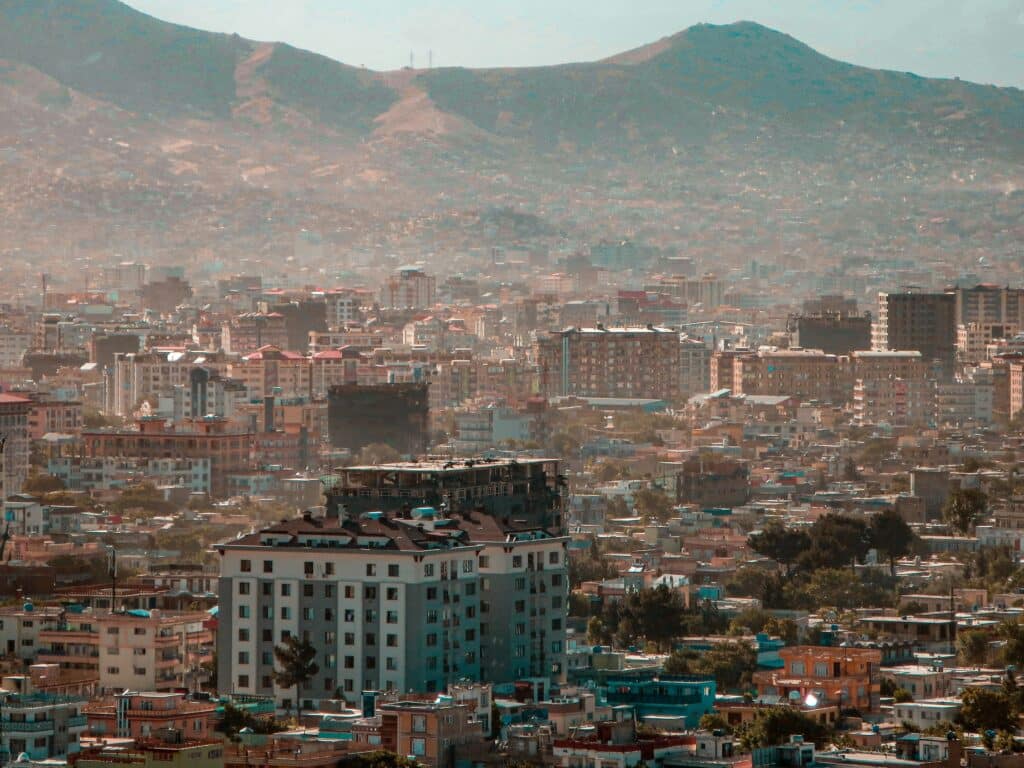
The Allure: Under vastly different and stable circumstances, Kabul, Afghanistan, could hypothetically offer a profound and unique travel experience rooted in its ancient history, complex culture, and striking geographical setting. It holds the potential to captivate those with a deep interest in understanding a crossroads of civilizations and a resilient people.
Historically and culturally, Kabul is a city of immense significance. For millennia, it served as a vital hub on the Silk Road, witnessing the rise and fall of empires, from the Achaemenids and Greeks to the Mughals and Durranis. This rich past is theoretically reflected in archaeological sites and historical landmarks, such as the Gardens of Babur , the final resting place of the Mughal emperor, offering serene terraced gardens that speak to a sophisticated artistic heritage. The National Museum of Afghanistan, if fully and safely accessible, would house an extraordinary collection of artifacts tracing the country’s diverse history, from Greco-Bactrian gold to Buddhist sculptures, providing invaluable insights into its multifaceted past. The city’s old quarters, with their bustling bazaars, would offer a glimpse into traditional Afghan life, showcasing local crafts like carpets, intricate metalwork, and vibrant textiles, alongside the aromas and sounds of everyday commerce.
Tourist Destinations To Avoid?: Tourism is seeing a slight increase under the regime of the Taliban in Afghanistan. Still, it is deemed reckless by numerous international agencies to actually visit as a tourist, especially if you are of the female persuasion.
The foremost concern for women travelers in Kabul is the extreme curtailment of rights and freedom of movement enforced by the de facto authorities. Women are largely banned from public spaces such as parks, gyms, and even celebrations, and are often required to be accompanied by a mahram (male guardian) to travel, even for essential services like healthcare. This restriction on movement means that independent exploration, a fundamental aspect of tourism, is virtually impossible and highly dangerous for women. Furthermore, strict dress codes, including mandatory face coverings in public, are enforced, with reports of detention and harassment for non-compliance. These regulations not only restrict personal freedom but also make women targets for increased scrutiny and potential arbitrary detention.
However, the primary and most critical reason to avoid Kabul is the extremely volatile and dangerous security situation. The city faces a persistent and very high threat of terrorism, with various active terrorist groups capable of carrying out attacks, including large-scale bombings, at any time and in public spaces.
Lisbon, Portugal
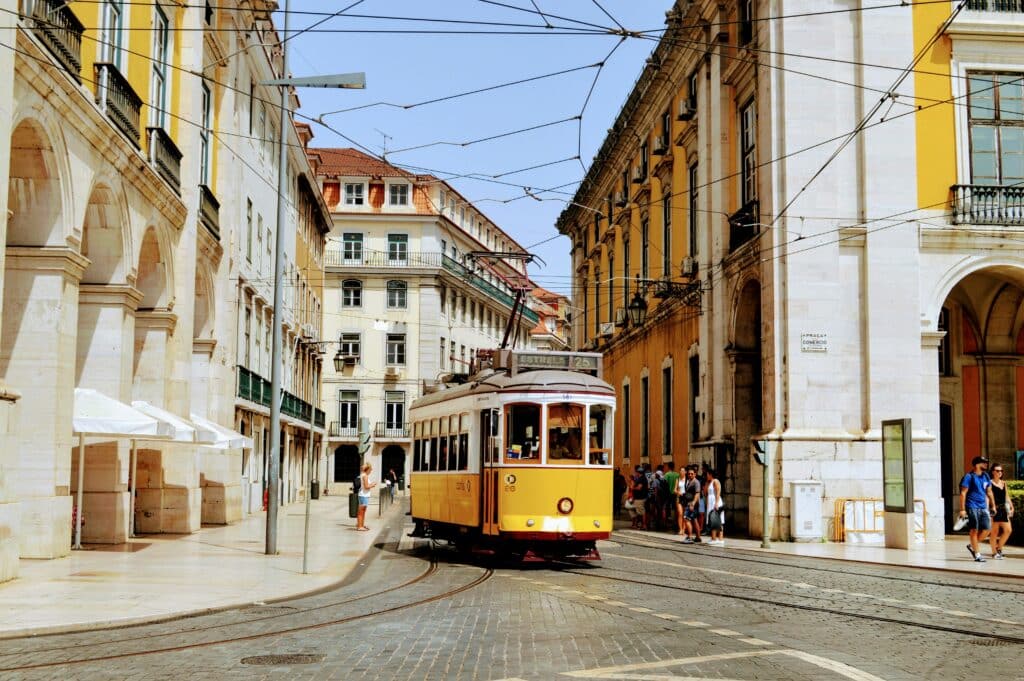
The Allure: Lisbon, the charming capital of Portugal, offers a captivating blend of historical grandeur, vibrant culture, and scenic beauty that makes it a highly desirable tourist destination. Its unique character, shaped by centuries of history and its Atlantic coastal position, provides a truly memorable European experience.
Tourist Destinations To Avoid?: While Lisbon has captivated many with its charm, it has rapidly emerged as a prime example of a European city significantly impacted by overtourism, making it a destination that some travelers might prefer to avoid. The city’s immense popularity, fueled by affordable flights and social media, has created a cascade of issues that strain its infrastructure, displace residents, and can ultimately diminish the visitor experience.
Beyond the housing crisis, Lisbon’s infrastructure is struggling under the weight of excessive crowds. Iconic attractions, particularly popular viewpoints (miradouros) and historic sites, are often unpleasantly overcrowded, requiring long queues and diminishing the sense of discovery. The beloved Tram 28, once a practical mode of transport, has become a tourist attraction frequently packed to capacity, making it difficult for locals to use and prone to pickpocketing. Public transport, in general, can be congested during peak times, affecting both efficiency and comfort. This strain extends to other public services and utilities, which were not designed for such a high volume of temporary residents.
New York City, New York
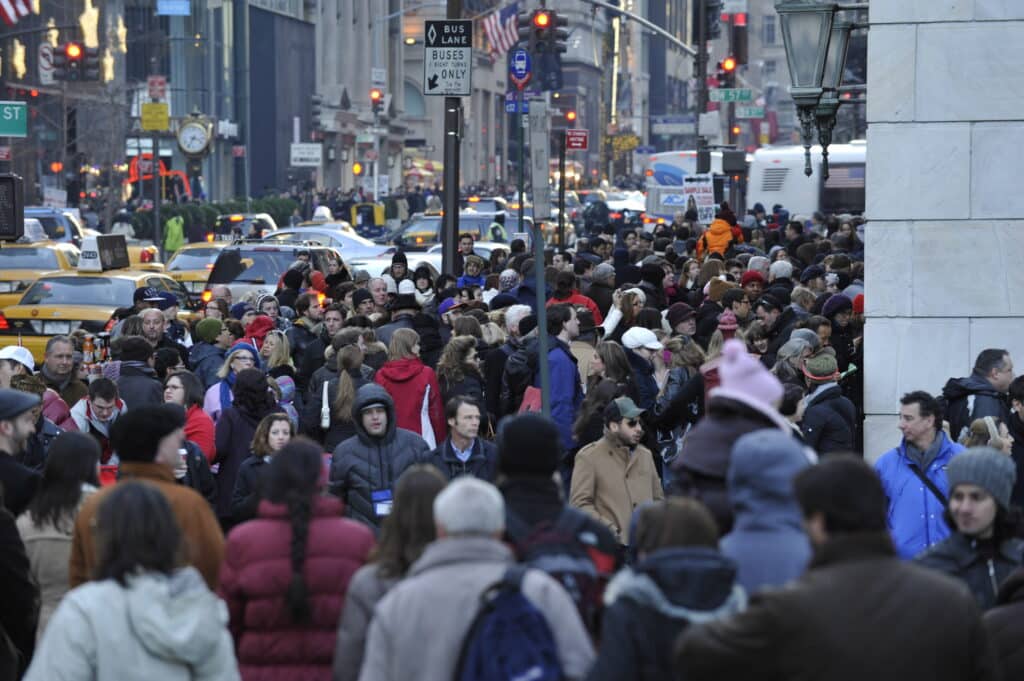
The Allure: New York City is an undeniable magnet for tourists, drawing millions annually with its unparalleled energy, iconic landmarks, and a truly diverse array of cultural experiences. It’s a city that promises something for everyone, constantly reinventing itself while retaining its timeless appeal.
Tourist Destinations To Avoid?: While New York City remains a global icon, 2025 might be a year for some tourists to consider postponing their visit due to a confluence of significant infrastructure projects and a notable decline in international tourism, which could adversely impact the overall visitorexperience.
One major factor to consider is the extensive construction and infrastructure upgrades currently underway or planned for 2025 in preparation for the 2026 FIFA World Cup. While the main stadium, MetLife, is in New Jersey, NYC will host major fan events and is investing heavily in related infrastructure. This includes ongoing work at JFK and LaGuardia airports, which can lead to delays and navigational challenges for arrivals and departures.
Furthermore, the need to accommodate illegal migrants has led to a reduction in available hotel rooms for tourists. Many hotels, including some in prime Manhattan locations, have been converted into emergency shelters for asylum seekers. This conversion decreases the overall hotel inventory available to tourists, potentially driving up lodging prices and making it more challenging to find suitable accommodations, especially during peak travel times.
Phuket, Thailand
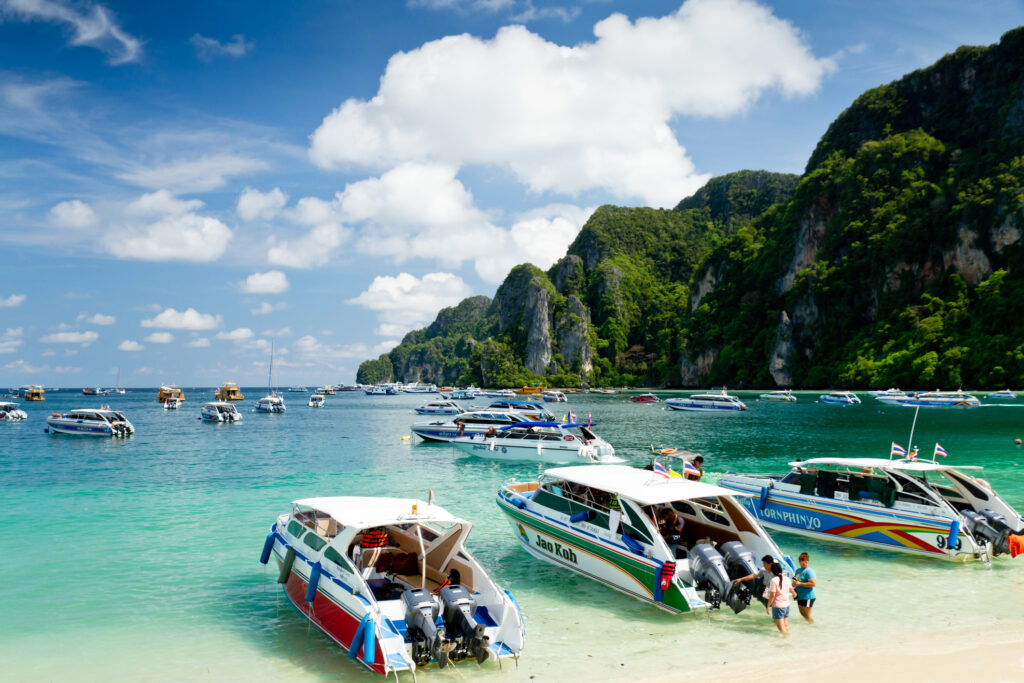
The Allure: Phuket, Thailand’s largest island, continues to be a magnet for tourists, offering a compelling mix of natural beauty, diverse activities, and vibrant cultural experiences. It’s a destination that caters to a wide range of travel styles, from luxurious relaxation to adventurous exploration.
The island offers a diverse range of activities, from adventurous zip-lining and ethical elephant encounters to vibrant nightlife in Patong and bustling night markets. Additionally, Phuket provides rich cultural experiences through its charming Old Town with Sino-Portuguese architecture, revered Buddhist temples like Wat Chalong and the Big Buddha, and opportunities to engage with local Thai culture and cuisine.
Tourist Destinations To Avoid?: While Phuket has long been a top-tier destination in Thailand, its immense popularity has led to significant challenges that could diminish the experience for future tourists, making it a place to approach with caution in 2025. The rapid surge in visitor numbers has placed immense strain on the island’s environment, infrastructure, and overall local quality of life. Additionally, the high volume of tourists can expose visitors to common scams like those related to jet ski rentals and inflated taxi fares, while the intense commercialization risks eroding the authentic cultural experience.
Los Angeles, CA
The Allure: One of the foremost reasons to visit Los Angeles is its unmatched connection to the entertainment industry. Visitors can immerse themselves in the magic of Hollywood by strolling along the Hollywood Walk of Fame , catching a show at the iconic TCL Chinese Theatre, or taking a studio tour at Universal Studios Hollywood or Warner Bros. Studio Tour Hollywood to see where their favorite movies and TV shows are made. Theme park enthusiasts can also venture south to Disneyland Resort for classic enchantment. The city is a place where celebrity sightings are a real possibility, adding an extra thrill to the experience.
Tourist Destinations To Avoid?: One major reason to approach Los Angeles with caution in 2025 is the widespread infrastructure development and potential disruptions. The city is in the midst of massive public transit expansions and airport upgrades, particularly at LAX, in preparation for upcoming major events like the 2026 FIFA World Cup and the 2028 Summer Olympics. While these projects aim for long-term improvement, in the short term, they translate to significant construction zones, potential road closures, increased traffic congestion, and disruptions to public transportation routes.
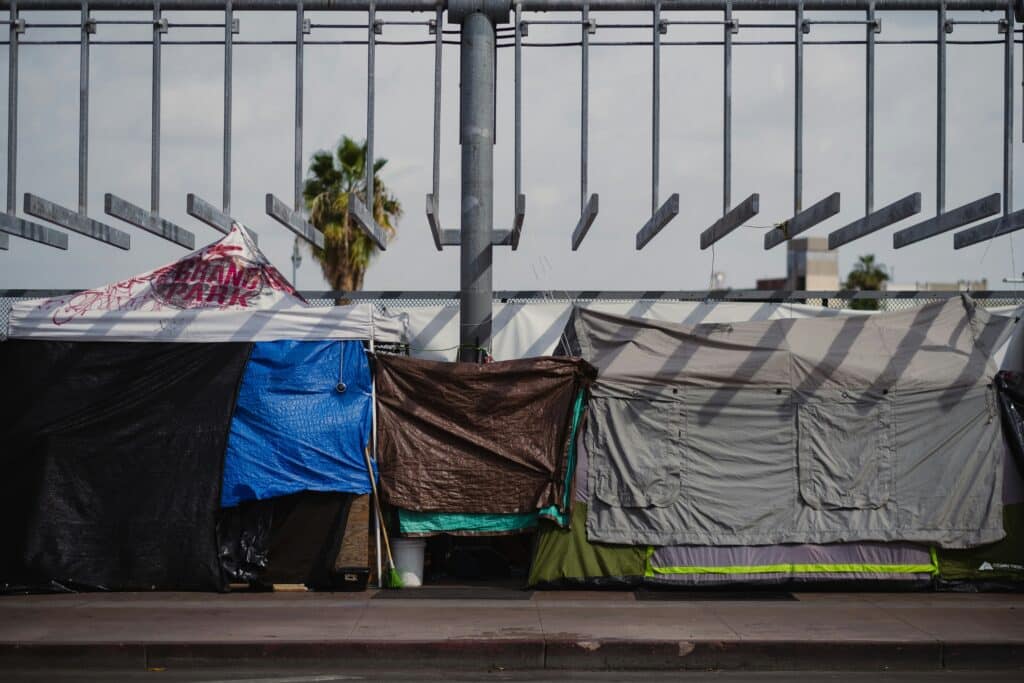
Furthermore, Los Angeles continues to grapple with socio-economic challenges. The city has made some progress in reducing homelessness in 2025, but large unhoused populations are still visible in various areas, which can affect perceptions of public safety and cleanliness for some visitors. To put it as sparingly as possible, it isn’t a hygienic city. Additionally, the city has faced significant civil unrest and protests in certain areas in mid-2025, sometimes leading to street closures and increased security presence, as reported by tourism news outlets. Such events, while localized, can contribute to an unpredictable atmosphere and potentially cause inconvenience or safety concerns for tourists.
Moreover, the region’s susceptibility to natural disasters, specifically wildfires and earthquakes, could also be a deterrent. Los Angeles experienced devastating wildfires in early 2025, causing billions in property damage and impacting air quality and access to certain outdoor areas. While recovery efforts are underway, the lingering effects, combined with the perennial risk of future fires, can create uncertainty for travelers planning outdoor activities or those sensitive to air quality issues.