

White-water rafting has evolved from a niche adventure sport into a cornerstone of global eco-tourism. For the modern traveler, these expeditions represent a rare opportunity to disconnect from digital noise and engage with the planet’s most pristine “water highways.” Whether it’s a three-hour splash or a 10-day wilderness odyssey, river rafting offers a unique blend of adrenaline-fueled teamwork and serene environmental immersion.
From the towering red walls of the Grand Canyon to the glacial chutes of Alaska, we’ll explore the best river rafting expeditions within the USA.
Important Terminology:
Modern commercial rafting is designed to be accessible to people of all fitness levels, provided you choose the right “class” of water. The following are designations intended to assess the challenge-level associated with a given waterway.
- Class I-II: Gentle ripples and clear channels; perfect for relaxation and photography.
- Class III: Moderate waves and maneuvering; “exciting but safe” for first-timers.
- Class IV-V: High-intensity technical water; recommended for those with previous experience or a high thirst for adrenaline. Not recommended for novices.
Multi-Day Expeditions
Colorado River
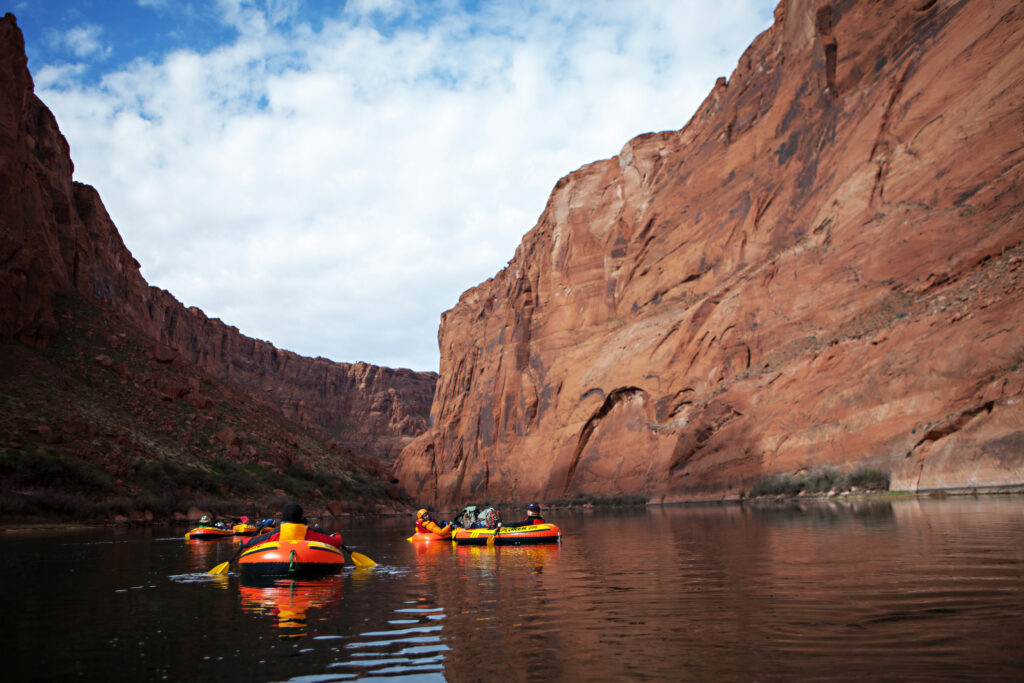
Beginning Point: Grand Canyon, AZ
Challenge Class: Class I-IV
Key Features: Expeditions emphasize “off-river” exploration, including hikes into remote side canyons, visits to ancient archaeological sites, and camping on riparian sandbars.
Description: Rafting the Colorado River through the Grand Canyon is a world-class journey that blends high-adrenaline white water with profound geological and cultural immersion. Spanning up to 277 miles, these expeditions offer a rare escape from modern connectivity, allowing travelers to navigate some of the most iconic rapids on Earth while sleeping on pristine river beaches under the stars. For 2026, many outfitters are offering specialized “Geology” or “Hiking” expeditions that deepen the connection to the canyon’s nearly two-billion-year-old rock layers.
Unlike a standard vacation, a Grand Canyon expedition is a lesson in situational negotiation. The real challenge isn’t just surviving the rapids—it’s the psychological shift of “disconnecting to reconnect,” where the absence of cell service and the presence of 2,000-foot walls create a perspective that few other travel experiences can replicate. For 2026, travelers are increasingly seeking this adventure as a form of “digital detox.”
Rogue River
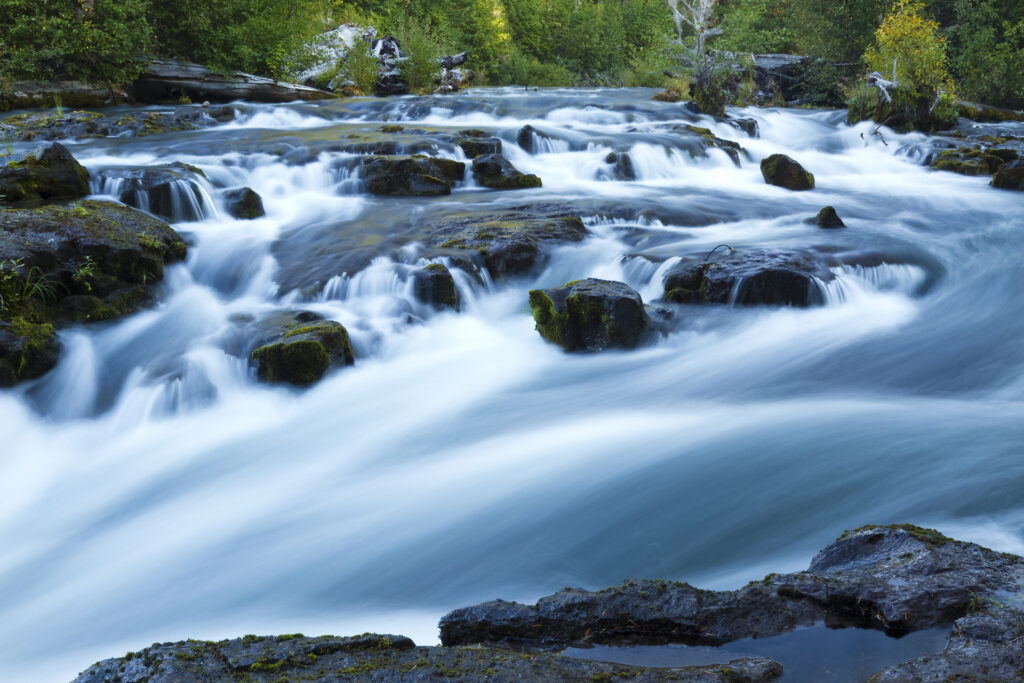
Beginning Point: Merlin, Oregon
Challenge Class: Class II, III
Key Features: Corridors adjacent to the Rogue River are replete with pristine and largely unbothered wildlife. The Rogue is a high-density habitat for black bears, bald eagles, and river otters. It is not uncommon to see a bear foraging on the riverbank while salmon leap through the rapids during their seasonal migrations.
Description: The Rogue River in Southwestern Oregon is a cornerstone of American white-water culture and was one of the original eight rivers protected by the 1968 Wild and Scenic Rivers Act. Flowing from the Cascades toward the Pacific, its most coveted stretch is the “Wild section,” a 40-mile corridor where steep canyon walls, lush Douglas fir forests, and a unique “lodge-to-lodge” culture create a wilderness experience that is both rugged and remarkably accessible.
A Rogue River journey typically spans 3 to 4 days, launching near Merlin, Oregon, and concluding at Foster Bar. For 2026, expeditions have leaned further into customization. The Rogue is unique for its historic riverside retreats, such as Paradise Lodge and Black Bar Lodge. Many 2026 expeditions allow guests to raft by day and enjoy a hot shower, a soft bed, and a family-style meal by night; perfect for those who want the wilderness without the sleeping bag. For a more immersive experience, traditional camping trips offer remote riverside sites under some of the darkest skies in the Northwest. These trips emphasize “camp life,” with guides preparing gourmet meals like grilled salmon or Dutch-oven desserts over an open fire.
Selway River
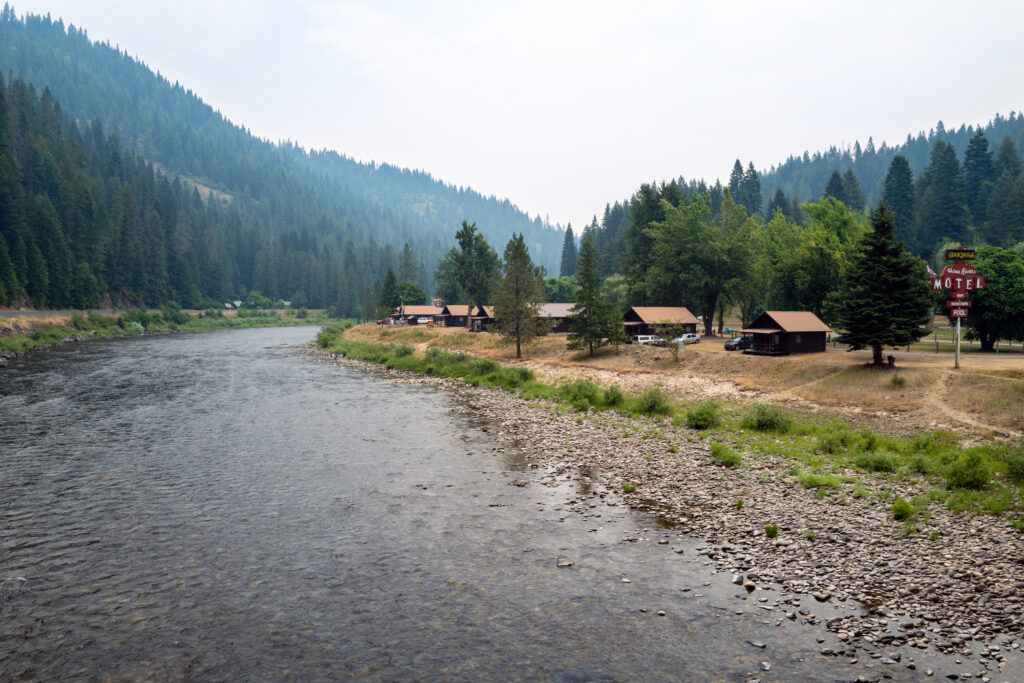
Beginning Point: Bitterroot Mountains, Montana
Challenge Class: Class IV +
Key Features: Rafters travel through an inland temperate rainforest, passing through groves of Western Red Cedar that have stood for centuries. The water is so transparent that the riverbed is visible even in 20-foot deep pools, creating a “floating in glass” sensation.
Description: The Selway River, cutting through the 1.3-million-acre Selway-Bitterroot Wilderness, represents the absolute “triple crown” of American rafting: extreme isolation, technical intensity, and unmatched natural beauty. While the river originates in the Bitterroot Mountains of Montana, the legendary 47-mile “Wild” section flows through Idaho. Because the Forest Service allows only one launch per day, a Selway expedition is the quietest and most exclusive river journey in the lower 48 states.
The Selway permit is the hardest to get in the United States, with lottery odds often exceeding 1 in 1,000. Most tourists find their way onto the river by booking with one of the few licensed commercial outfitters years in advance.
Single-Day Adventures
Nenana River
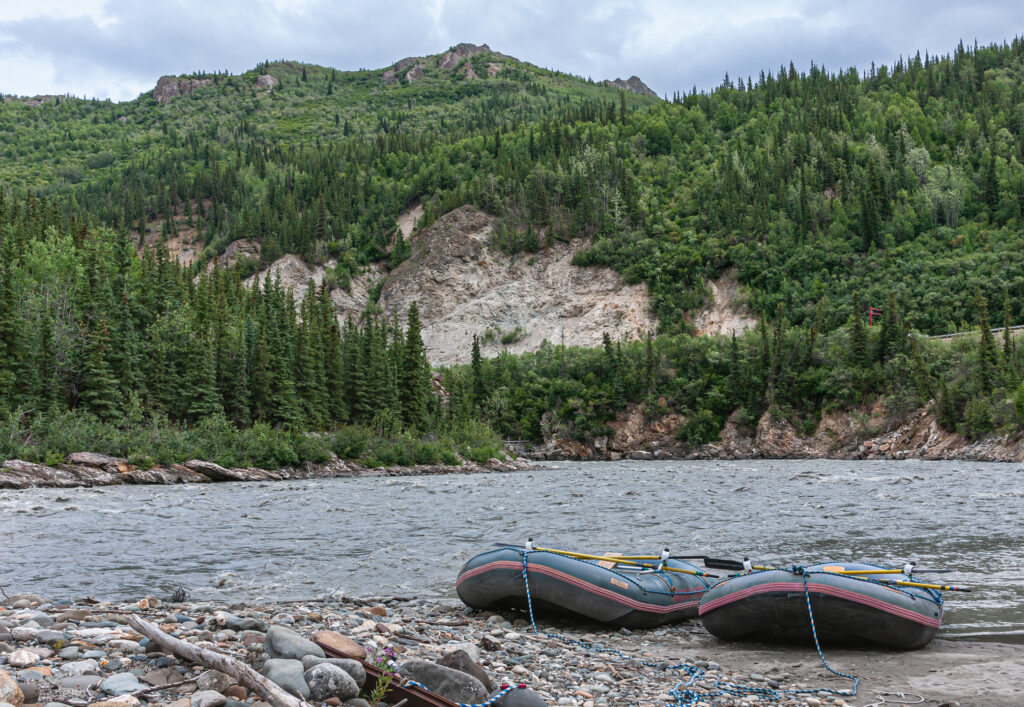
Beginning Point: Denali National Park, Alaska
Challenge Class: Class III-IV
Key Features: Because the water is just a few degrees above freezing, professional outfitters provide Gore-Tex drysuits, neoprene booties, and life jackets as standard gear. You wear your own warm layers (wool or fleece, no cotton) underneath.
Description: The Nenana River, bordering Denali National Park, is the most iconic river for a single-day rafting expedition in Alaska. Fed by glacial melt from the Alaska Range, it features silty, turquoise-grey water and stunning views of the surrounding taiga and mountains.
The most comprehensive single-day choice along the Nenana River is the “Healy Express, which combines the lower and upper sections of the river into one continuous journey. Tourists can also select the corridor of the river referred to as “The Canyon Run,” a “big-water” experience, where the river enters the Nenana Gorge, constricting between high rock walks and thereby offering a more harrowing and adventurous experience. A more moderate option is the “Wilderness Run,” an 11-mile float that prioritizes the immense scale of the Alaska Range and the chance to see animals in their natural habitat.
The South Fork American River: The Gorge
Beginning Point: Coloma, California
Challenge Class: Class II-III
Key Features: The trip typically concludes with a scenic float into the quiet waters of Folsom Lake, where many outfitters use a “tow-out” to bring rafts to the take-out point.
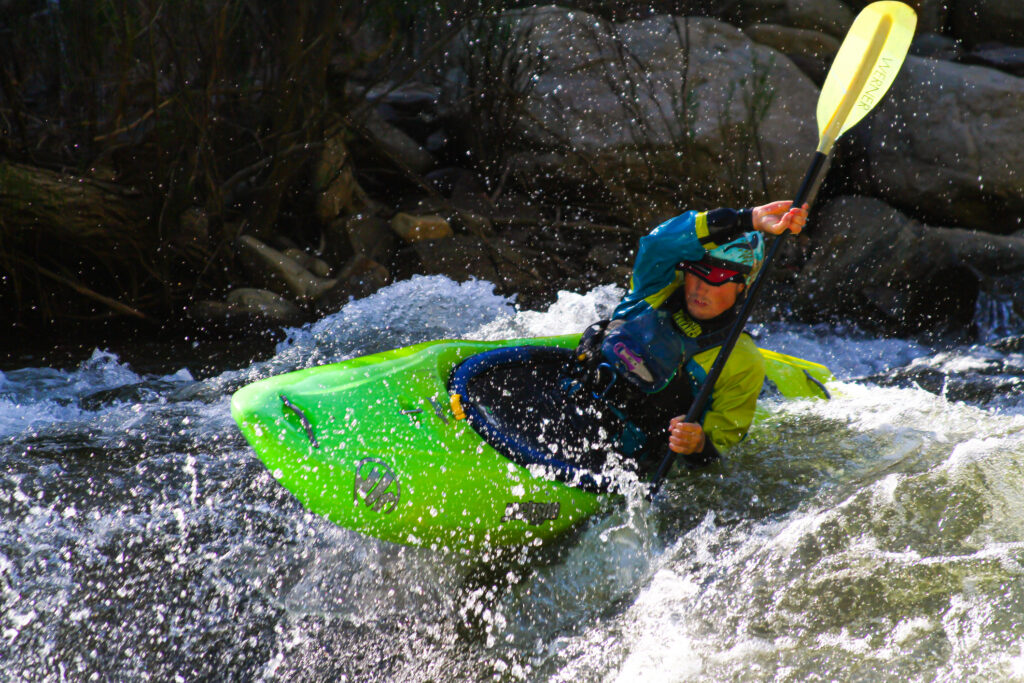
Description: The Gorge Run on the South Fork of the American River is widely considered California’s premier single-day rafting adventure. Located near Coloma—the heart of the 1848 Gold Rush—it offers a perfect progression from calm, scenic floating to high-energy Class III whitewater.
The “Gorge” refers to the lower 13–15 mile stretch of the South Fork. The trip typically begins in the Coloma-Lotus Valley, where the river is wide and forgiving. As the day progresses, the canyon walls constrict, transforming the river into a fast-paced “chute” of back-to-back rapids.
White Salmon River
Beginning Point: Mount Adams, Washington
Challenge Class: Class III-IV
Key Features: The Husum Falls are regarded as the “crown jewel” of the White Salmon River, a 10 foot vertical waterfall that is one of the tallest commercially rafted drops in the nation.
Description: The White Salmon River in Washington is widely considered one of the most unique and exciting single-day rafting trips in the United States. Fed by the glacial melt of Mt. Adams, the river flows through a stunning, narrow basalt canyon and is one of the few places in the country where you can legally raft over a significant vertical waterfall.
Located just across the Columbia River from Hood River, Oregon, the White Salmon feels like a secret “tropical” jungle hidden in the Pacific Northwest. Because the river is spring-fed and glacial, the water is a brilliant turquoise and remains a crisp 42 degrees Fahrenheit. The most common single-day trip along the White Salmon River is the Middle White Salmon, which packs an incredible amount of action into a relatively short distance.