

Why chase unique travel adventures? Because, especially in an environment where travel destinations can become increasingly generic, a more nuanced experience offers the possibility of legitimately stepping off the “beaten path” and engaging with something more exhilarating and memorable. Deliberately selecting the unexpected can restore a diminished sense of wonder, build resilience, and is frequently more cost-effective than a conventional experience.
In this article, we’ll explore 8 unique travel adventures, or experiences, across the globe; identifying distinctive ways of interacting with the cultures and natural wonders that comprise the world.
Iceberg Graveyard
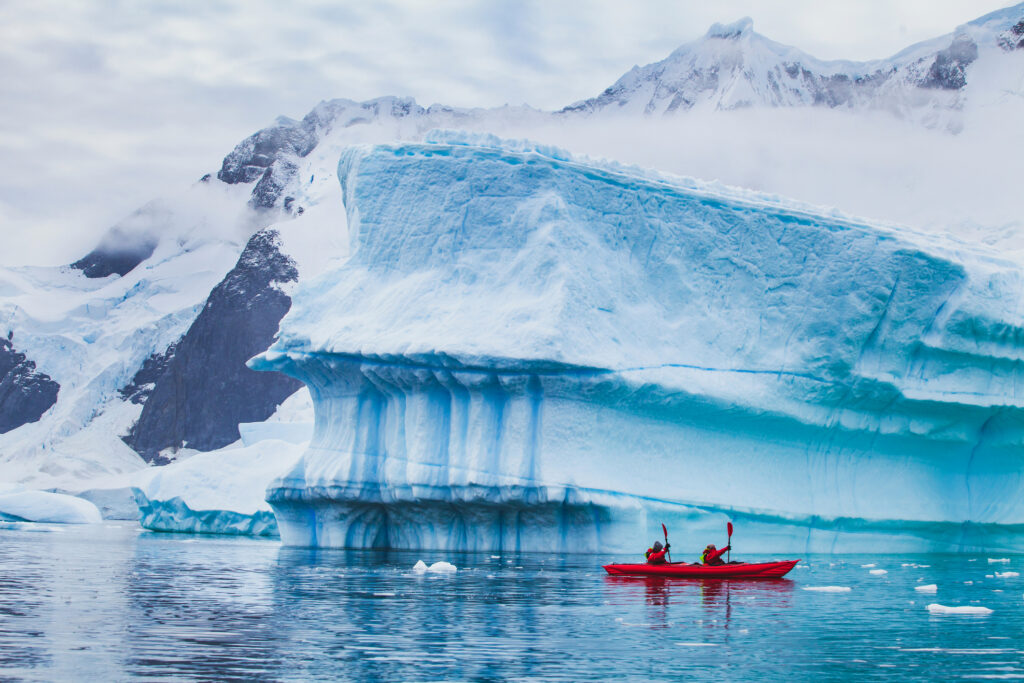
Location: Antarctica
Activity: Whale Watching
Description: The “Iceberg Graveyard” of Antarctica, more specifically the Lemaire Channel and Pleneau Bay, is a place so remote that the concept of time becomes enigmatic. Here, massive prehistoric ice formations run aground and slowly dissolve, creating a surreal architectural garden of blue and white. Apart from its surreal external beauty, the “Iceberg Graveyard” remains the premier worldwide theater for watching Humpback whales. These gentle giants congregate in the nutrient-rich waters, often surfacing so close to small expedition boats that you can hear the resonant blast of their blowholes and smell the salt spray. It is a profound, sensory-heavy experience that highlights the raw scale of the southern continent.
Tips:
- Ideal Timing: As far as scheduling is concerned, aim for the “Golden Hour” in the months of February or March. In the Antarctic summer, the sun lingers low on the horizon, casting a pink and orange glow (enrosadira) across the ice sculptures. It is also the most active season for Humpback whales.
- “Fluke” Shot: To photograph a whale’s tail (the fluke), watch for the “arch.” Before a deep dive, a Humpback will sharply arch its back; that is your signal to center your frame and wait for the tail to lift.
- Layers upon Layers: Unlike hiking, whale watching involves long periods of sitting still in a boat. Double up on wool socks and use chemical toe-warmers; the cold from the metal or rubber boat floor seeps in quickly.
Amalfi Coast
Location: Sorrento, or Positano, Italy
Activity: Driving
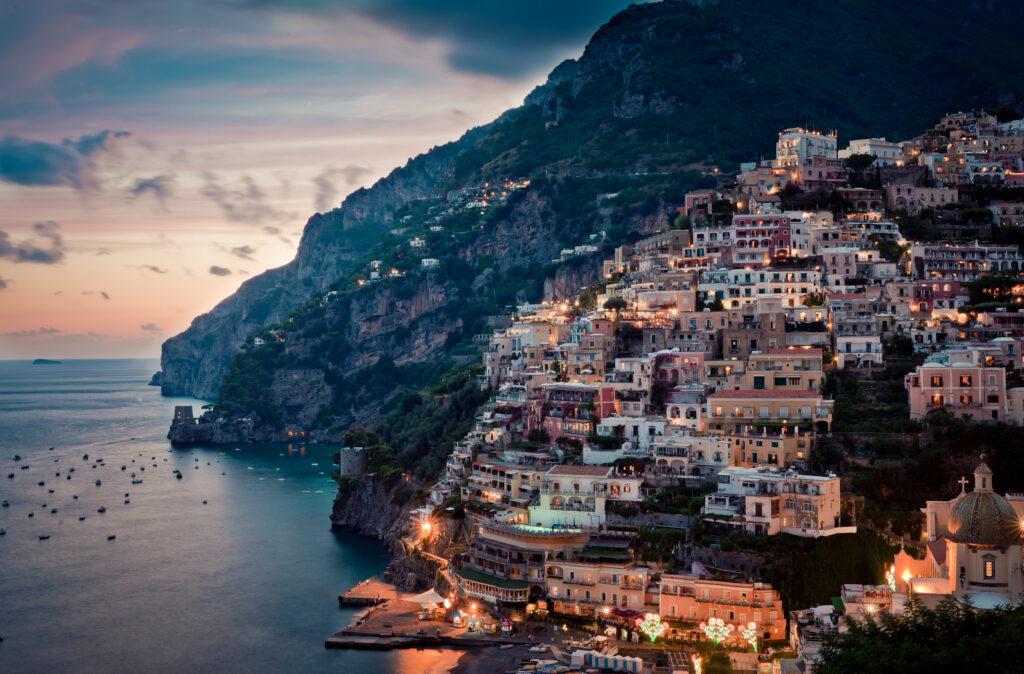
Description: The Amalfi Coast is widely considered one of the most spectacular stretches of coastline in the world. The SS163, or the “Road of a Thousand Bends,” ribbons along the Tyrrhenian Sea, carved directly into the limestone cliffs. The journey remains a quintessential “bucket-list” experiences, especially for those keen on appreciating dramatic vertical landscapes, pastel-colored architecture, and the engineering marvel of a road that seems to defy gravity.
The aforementioned SS163 begins in Sorrento in the direction of neighboring Positano. It offers the most iconic views, as one is literally driving along the “sea side” of the road. Positano itself is a vertical masterpiece; the town is built so steeply that there are very few internal roads—most navigation happens via ancient stone stairways. Arriving by car allows you to see the town “unfold” from above, with its iconic tiled dome of Santa Maria Assunta shimmering against the turquoise water.
Tips:
- Size Matters: Roads in the region are notoriously narrow. If you are renting a car, opt for the smallest model possible to make passing the large SITA buses less stressful.
- Avoid Peak Season: Consider driving in late May or September. The weather is still warm enough for a swim, but the congestion on the hairpin turns is significantly more manageable.
- The “Parcheggio”: Parking in Positano is extremely limited and expensive. Research “Parcheggio” options on the outskirts of town and be prepared to walk or take a local shuttle into the center.
The Samurai Trail
Location: Kiso Valley, Japan
Activity: Walking
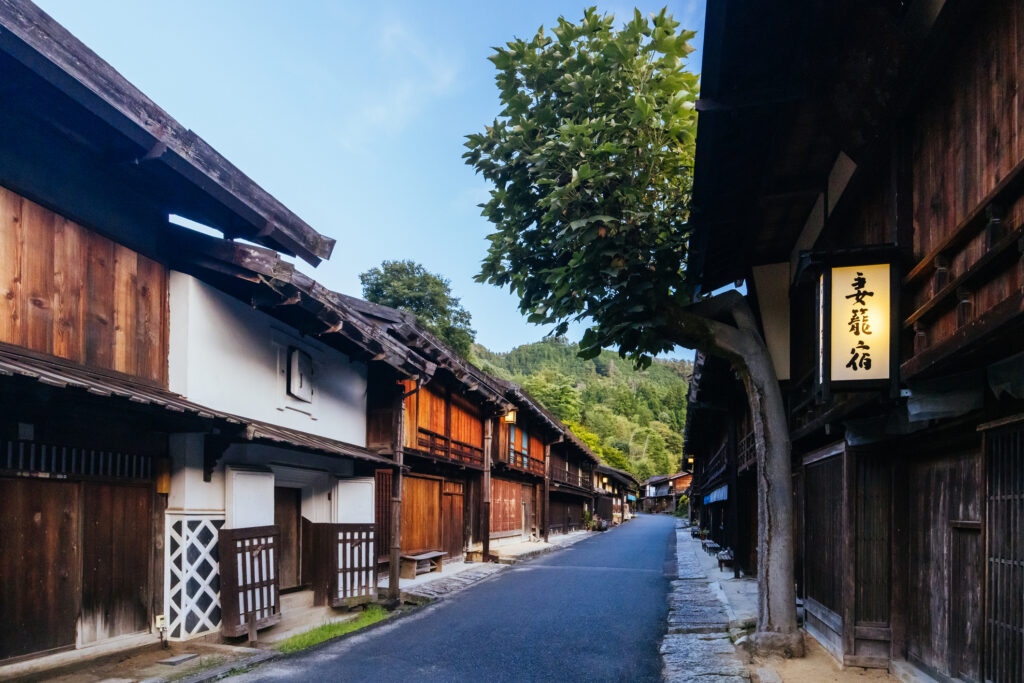
Description: The Nakasendo Way, often called the “Samurai Trail,” is a living corridor into Japan’s feudal past. Originally developed in the 17th century during the Edo period, it served as one of the two main highways connecting Kyoto to Tokyo. Unlike the coastal Tokaido road, the Nakasendo wound through the rugged central mountains, offering a more inland, protected route for shoguns, samurais, and traveling merchants. Today, the most pristine section remains in the Kiso Valley, where the trail is flanked by dense cedar forests, rushing waterfalls, and “post towns” that have been meticulously preserved to look exactly as they did 300 years ago.
Walking the “Samurai Trail” is an exercise in “slow travel.” As you move between the towns of Magome and Tsumago, the modern world feels remarkably distant. The path is paved with ancient stone ishidatami (cobblestones), and the architecture is strictly regulated to maintain historical integrity. The Magome-to-Tsuamgo hike, a 5-mile stretch of trail, is considered the jewel of the Samurai Trail. Starting in Magome (which is built on a steep slope), you climb through forests to the Magome-toge Pass before descending into Tsumago. Along the way, you’ll encounter historic tea houses where volunteers serve hot green tea to walkers, continuing a tradition of hospitality that has lasted for centuries.
Tips:
- “Bear Bells”: As you walk along the trail, you will notice brass bells mounted on wooden posts along the forest sections. These are for scaring off Asiatic black bears. Give them a solid ring as you pass through—it’s a local custom that adds a rhythmic soundtrack to the hike.
- Cash is King: While Japan is increasingly digital, the Kiso Valley is traditional. Many small tea houses, local noodle shops, and guest houses still operate on a cash-only basis. Carry plenty of Yen for those mid-hike snacks.
- Mind Your Footwear: Much of the Samurai Trail, per its deference to tradition, is composed of cobblestones, or “Ishidatami.” While visually idyllic, it can nevertheless slippery when wet and hard on the arches. Wear broken-in hiking boots or supportive trail runners rather than flat sneakers.
A Safari Around the Pyramids
Location: Giza, Egypt
Activity: Camel Riding
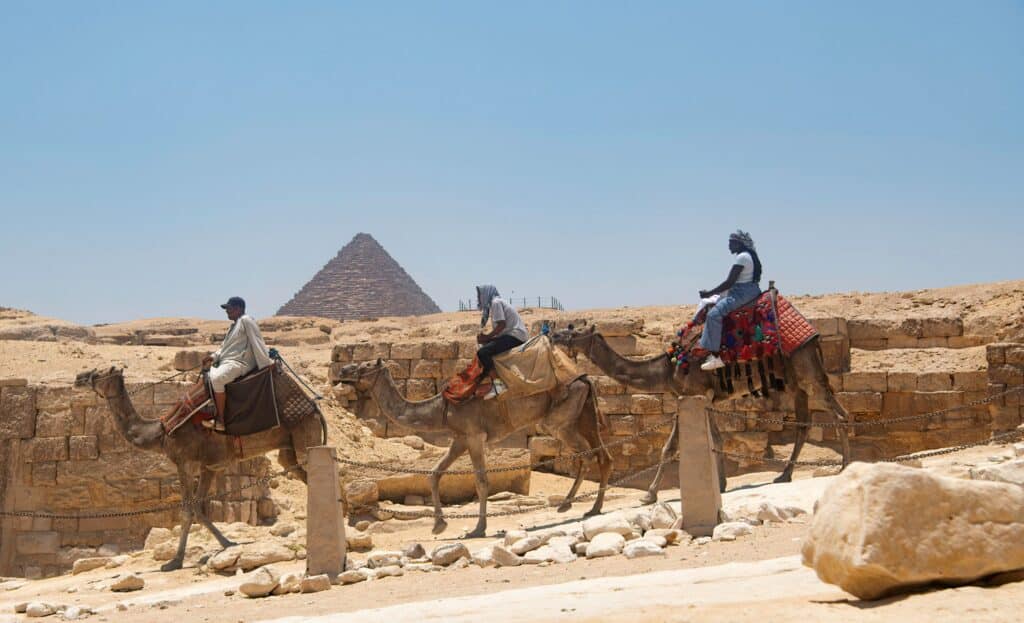
Description: Traversing the Giza Plateau on camelback offers a perspective of the ancient world that no bus tour or walking path can replicate. Experiencing Giza is now further enhanced by the close proximity of the Grand Egyptian Museum, allowing you to bridge the gap between the monumental scale of the Great Pyramid of Khufu and the intricate treasures housed nearby. Riding out into the dunes at the edge of the plateau provides a panoramic view where the three major pyramids—Khufu, Khafre, and Menkaure—align perfectly against the vast Saharan horizon, a sight that remains one of the most powerful architectural vistas on Earth.
Beyond the standard tourist loop, camel riding at Giza can be transformed into a deeper exploration of the surrounding desert landscape. By venturing further into the Sahara, you escape the crowds and enter a silence that amplifies the majesty of the environment. Many expeditions focus on the “desert-side” approach, which avoids the paved roads and brings you toward the Sphinx from the open sand, mirroring the way ancient travelers would have first glimpsed these colossal monuments.
Tips:
- Compare and Confirm Prices: Prices are often negotiable, but many reputable tours offer fixed rates. Also, always confirm if the price includes the “camel fee,” the “guide fee,” and the “photo fee” before you mount to avoid surprises.
- Tipping: Tipping is a standard part of Egyptian culture. For a private camel guide, a tip of $5.00 (USD) per person is appropriate for good service. If they take exceptional photos for you, you might offer a bit more.
- “The Sway”: Camels have a distinctive, rhythmic swaying motion. Wear long, breathable pants, usually linen or cotton, to prevent skin chafing against the leather saddle and to protect yourself from the intense Saharan sun.
A Greek “Odyssey”
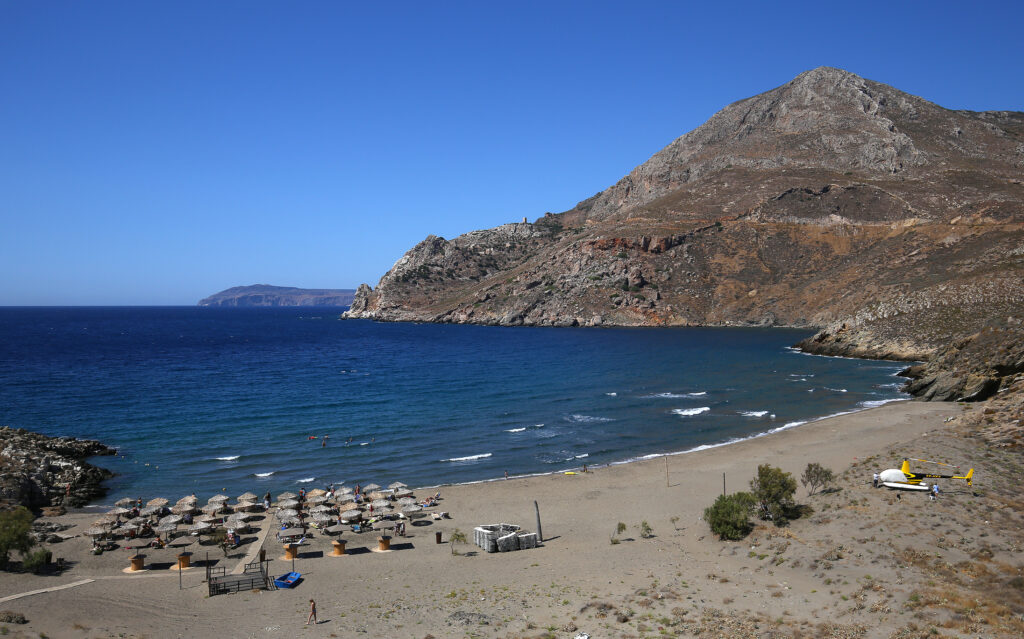
Location: Peloponnese, Greece
Activity: Driving, Hiking, Kayaking, Walking
Description: The Peloponnese “Odyssey” is a journey designed for those who find the crowded island circuits too polished and prefer a landscape that feels raw, vertical, and heavy with history. Rather than a singular destination, this is a multi-stage traversal of the southern Greek mainland, where the terrain transitions from the lush citrus groves of the Argolis to the stark, sun-bleached stone towers of the Deep Mani.
The journey is a sensory-rich endurance test. It begins with the Trial of the Peaks, navigating the zig-zagging mountain passes of the Taygetos range. As you venture forth, you discover yourself moving through an ancient vertical world of fortified ghost villages and Byzantine monasteries clinging to cliff faces.
As you descend toward the coast, the experience shifts to the Maritime Mythos. Exploring the Mani Peninsula requires navigating a coastline defined by “The Gates of Hades”—massive sea caves like Diros that you enter by small boat, floating through a subterranean labyrinth of stalactites. The final stage is a homecoming in the village of Areopoli, where the “Odyssey” concludes with a meal of local olive oil, salt-cured pork, and wine, served in the shadow of a medieval stone tower.
Tips:
- Hairpin Turns: If you are driving from the Argolis to the Mani, you will navigate the Taygetos mountain passes. These roads are safe but incredibly winding. Plan for your “GPS time” to take 30% longer than estimated; the views are stunning, but the turns require focus and a slow pace.
- The Underworld (Diro): To comfortably view the “Underworld, arrive at Diro when it opens, at 9AM. The small boats that take you through the flooded subterranean labyrinth fill up fast, and the silence of the caves is much more profound before the midday groups arrive.
- Hydrate Naturally: In the mountain villages of Arcadia, don’t buy bottled water. Look for the stone “krinis” (fountains) in the village squares. This is fresh mountain spring water, perfectly cold and safe to drink, just as it has been for centuries.
Flying Over Everest
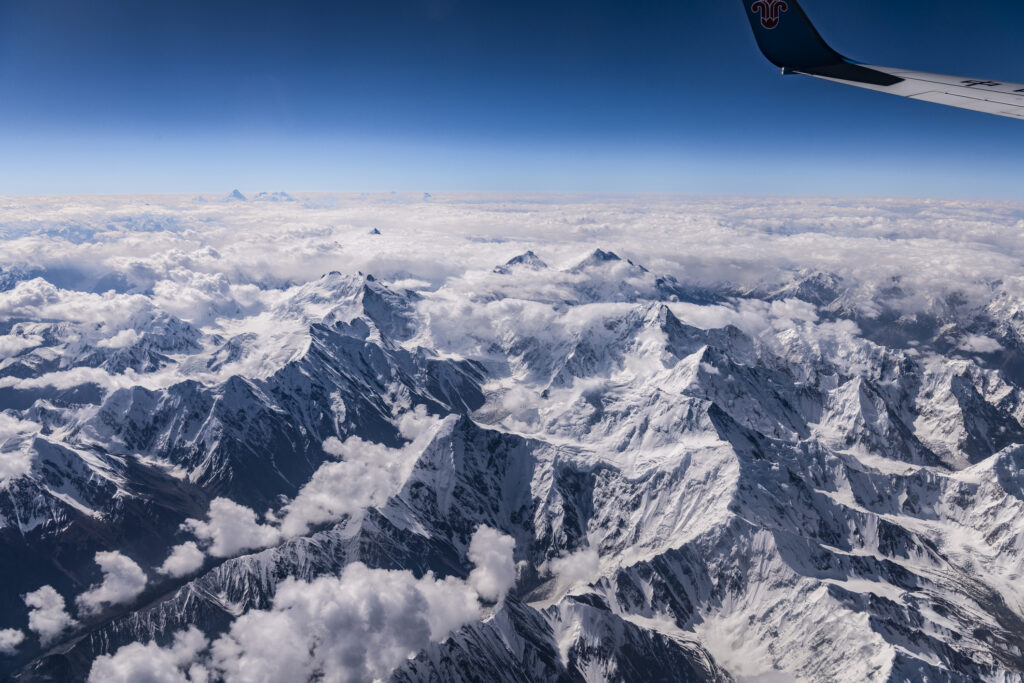
Location: Kathmandu, Nepal
Activity: Plane Flight
Description: A mountain flight from Kathmandu to Everest is a high-impact, short-duration adventure that allows for an immediate encounter with the world’s most formidable alpine terrain. It bridges the gap between the vibrant, ancient culture of Nepal’s capital and the frozen, uninhabited heights of the Himalayas, offering a unique perspective on the scale and majesty of the Everest massif that is otherwise impossible to capture.
Tips:
- Tea Time: Himalayan weather is most stable in the early morning. Aim for the 6:00 AM or 6:30 AM flight. By 10:00 AM, clouds often begin to build around the summits, obscuring the “Death Zone” views.
- Window Seat Security: Reputable airlines in Kathmandu sell only window seats for these flights. If you are traveling as a pair, you will be seated one behind the other to ensure everyone has an unobstructed view.
- Set Your Camera: Use a polarizing filter if you have one to cut down on the glare from the cabin windows and the highly reflective snow. Avoid using a flash, as it will only reflect off the glass and ruin your shot of the peaks.
Adriatic Escape
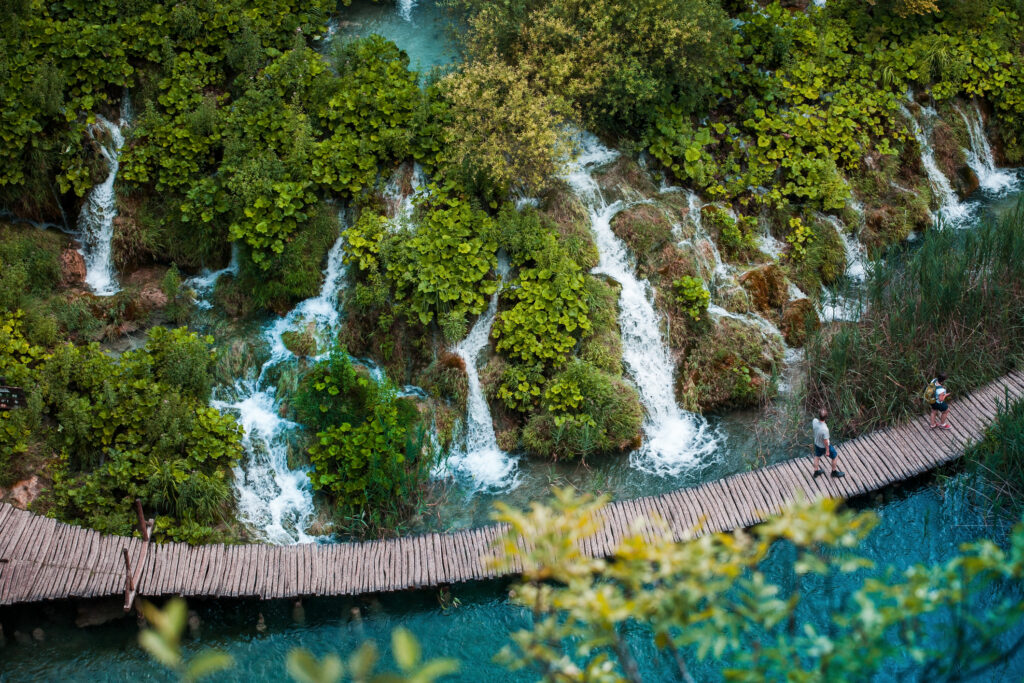
Location: Croatia
Activity: Cruise, Hiking
Description: The “Adriatic Escape” is an exotic and historic travel adventure that blends the elegance of Croatia’s walled cities with the raw, untamed beauty of the Dalmatian Islands. Unlike standard cruises, this “Escape” focuses on the concept of Cruise & Stay, lacing together land-based exploration of the Dinaric Alps and Plitvice’s waterfalls with small-ship navigation through the sapphire waters of the Adriatic. It is an experience designed to highlight the intersection of Venetian history, Roman ruins, and the slow-paced “pomalo” (easygoing) lifestyle of the Mediterranean.
Tips:
- Under-schedule: You will often hear the locals say “Pomalo”—it means “take it easy” or “slow down.” To truly experience Croatia, don’t over-schedule. Allow for a two-hour lunch by the water; the service is intentionally slow to encourage conversation and relaxation.
- Find the Konoba: For the most authentic food, skip the “Restorans” on the main plazas and look for a Konoba. These are traditional, often family-run taverns that serve local staples like Peka.
- The Sea Organ: If you find yourself in Zadar, visit the Sea Organ at sunset. This architectural masterpiece uses the motion of the waves to push air through underwater pipes, creating a haunting, melodic “song” that changes with the tide.
Helicoptering Over the Great Barrier Reef
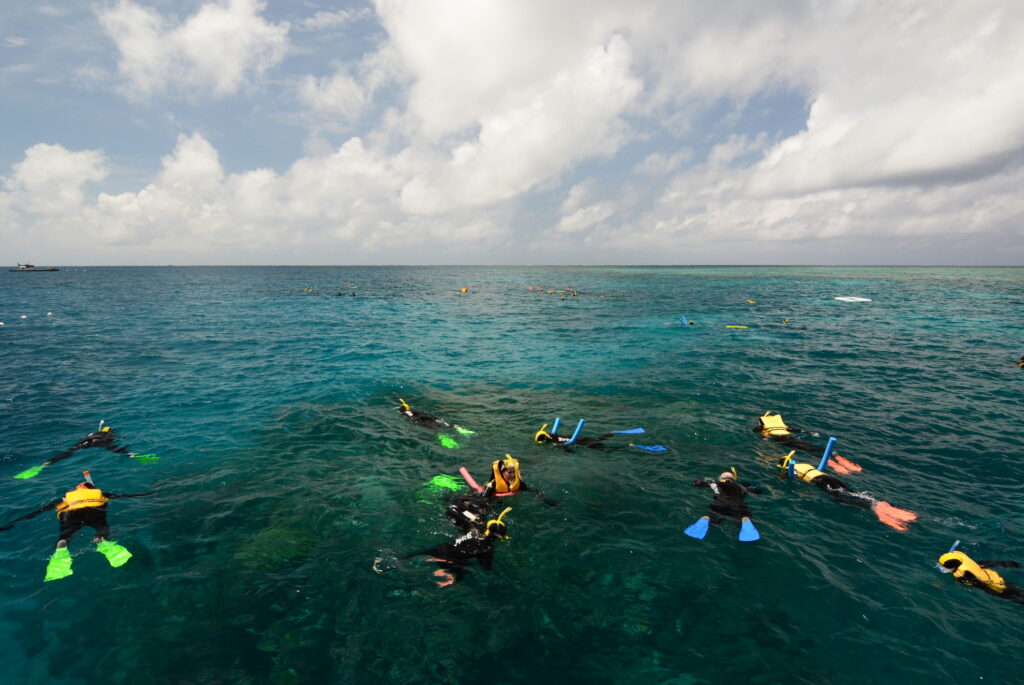
Location: Cairns, Port Douglas, Australia
Activity: Helicoptering
Description: To truly grasp the magnitude of the world’s largest coral reef system, you have to leave the water behind. A helicopter expedition over the Great Barrier Reef offers a perspective that is physically impossible to achieve from a boat or a snorkel mask. From an altitude of 500 feet, the reef reveals itself not as a series of individual spots, but as a vast, interconnected tapestry of turquoise lagoons, sapphire “blue holes,” and intricate ribbon reefs that stretch toward the edge of the continental shelf. It is a cinematic experience that transforms the reef from a destination into a sprawling, living masterpiece.
The adventure typically begins at Cairns, Port Douglas. As the helicopter lifts off, the emerald green of the Queensland rainforest quickly gives way to the iridescent blues of the Coral Sea. The flight path often takes you over iconic landmarks like Green Island and the vast Arlington Reef, one of the largest continuous reef systems in the marine park.
Tips:
- “Heli-Snorkel”: Many tours offer a “fly-out, cruise-in” package. Taking the helicopter out to the reef gives you the grand perspective first, and returning by boat allows you to decompress and enjoy the ocean breeze at sea level.
- Great Migration: If you fly during the Australian winter (July–September), keep your eyes on the deep blue channels between the reefs. This is the “highway” for migrating Humpback whales, and spotting a 40-ton mother and calf from the air is a common highlight.
- Coral Architecture: From the air, you can see the “Ribbon Reefs.” These are long, narrow strips of coral that form along the very edge of the continental shelf, acting as a massive breakwater that protects the Australian coastline from the open Pacific Ocean.\