

Among the Hawaiian islands, Oahu is the most cosmopolitan, the most populous, and correspondingly offers the most diverse array of activities in the island chain. If you are keen on exploring the nightlife of a thriving Pacific Island, gratuitous opportunities for indulgence are available across the threshold of Waikiki Beach, the hub of the island’s tourism industry. This Oahu travel guide highlights the island’s vibrant mix of culture, scenery, and history to help travelers plan meaningful experiences across every region.
If you’re interested in American history, Pearl Harbor is located just west of Honolulu, the Pacific naval base that the Japanese bombed in 1941, fracturing America’s Pacific Fleet prior to its entrance into the global conflict of World War II. If, however, you’re seeking a more somnolent, serene experience, a quieter atmosphere is still available on the North Shore of the island or along the Windward Coast.
For families, solo adventurers, foodies, and culture seekers alike, Oahu compresses many worlds into a few square miles, making it a practical choice for travelers with limited time but boundless curiosity. More importantly, it offers a chance to engage responsibly with a living culture whose stories you’ll carry long after the tan fades.
In this article, we’ll offer a comprehensive overview of the island of Oahu, noting important landmarks, resonant activities, as well as quieter experiences that still vibrate with adventure.
Key Oahu Travel Guide Locations
Waikiki Beach
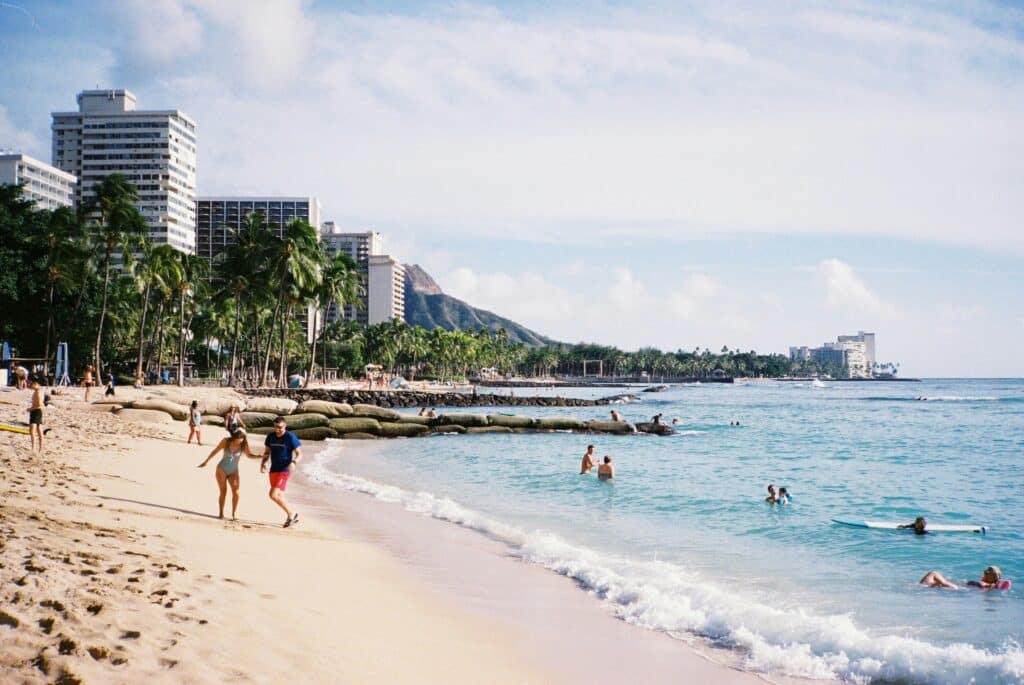
History: We’ll start the Oahu travel guide at “Waikiki,” meaning “spouting waters” in native Hawaiian, served as a retreat locale for Hawaiian royalty in the 1800s. Originally, the area was a wetland filled with fishponds and taro patches fed by adjacent mountain streams. By the early 20th century, after the incursion of Western influence, the landscape of Waikiki was reshaped dramatically with the introduction of the Ala Way Canal, effectively draining the original wetlands and priming the region for modern development. Contemporarily, Waikiki Beach has become arguably one of the most famous shorelines in the world, a two-mile expanse of coastline overlooked by a cacophony of luxury high-rise hotels.
Physical Description: Waikiki Beach is divided into several zones, each accommodating a specific activity or use. Kuhio Beach, home of the Duke Kahanamoku Statue, is protected by a natural sea wall, providing an atmosphere of calm rolling waves more conducive to children and families. Queen’s Beach, located further east near the Honolulu Zoo, is a popular destination for bodyboarding and beach volleyball. Fort DeRussy Beach is more isolated, segregated more conspicuously from the more popular hotel zones, and is more amenable to casual activities like picnics or sunbathing. Finally, Waikiki remains home to some of the most accessible surf breaks in the world, characterized by long, gentle waves most suitable for longboarders.
Feature Hotels: The hotels along Waikiki Beach range from quiet, service-oriented luxury like the Halekulani Hotel to vibrant, amenity-rich resorts like the Sheraton Waikiki Beach Resort. If you prefer a sense of history and classic charm, The Royal Hawaiian Waikiki remains the gold standard, while ‘Alohilani Resort Waikiki Beach offers a sleek, modern alternative.
North Shore
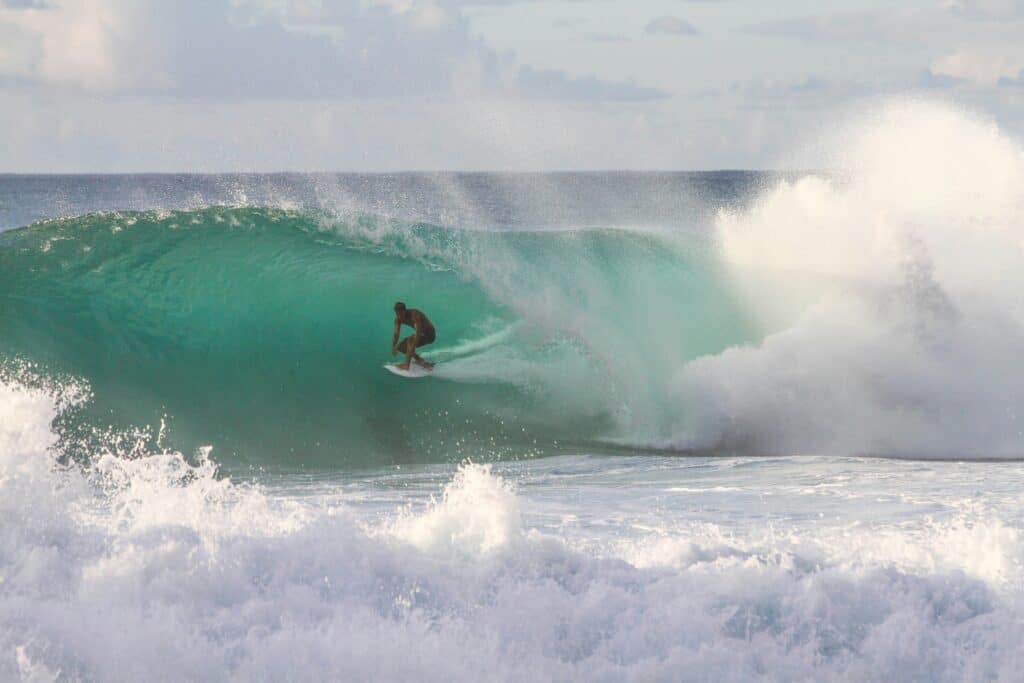
History: Next up for our Oahu travel guide is the North Shore. The history of the North Shore is a tale of spiritual significance and agricultural transformation. Ancient Hawaiians considered valleys like Waimea sacred, designating them for the highest class of priests (kahuna). By the mid-1800s, the landscape shifted toward industry with the rise of the Waialua Sugar Company. This era brought a “melting pot” of immigrants from Japan, China, and the Philippines to work the plantations, creating the unique ethnic fabric seen today. The modern identity of the North Shore took flight in the 1950s when adventurous surfers began challenging the massive winter breaks at Waimea Bay, birthing the global phenomenon of big-wave riding.
Physical Description: The North Shore of Oahu is a legendary 17-mile stretch of coastline synonymous with raw natural power and a deeply rooted surf culture. Known globally as the “Surfing Capital of the World,” the region undergoes a dramatic seasonal transformation: winter brings monster swells up to 30 feet that attract elite athletes; while summer reveals a tranquil paradise of turquoise waters and golden sands. Away from the waves, the area maintains a rural, laid-back charm defined by lush tropical valleys, roadside shrimp trucks, and historic plantation architecture.
Feature Hotels: Lodging on the North Shore is defined by its sense of space and connection to the landscape. Turtle Bay Resort and its associated Ocean Villas at Turtle Bay provide a comprehensive luxury experience where you never have to leave the property to find adventure or fine dining. For those who plan to spend their days exploring different beaches and towns, the Courtyard Oahu North Shore offers a strategic and comfortable midpoint. As accommodations are more limited in this region, it is highly recommended to book several months in advance.
Ko Olina
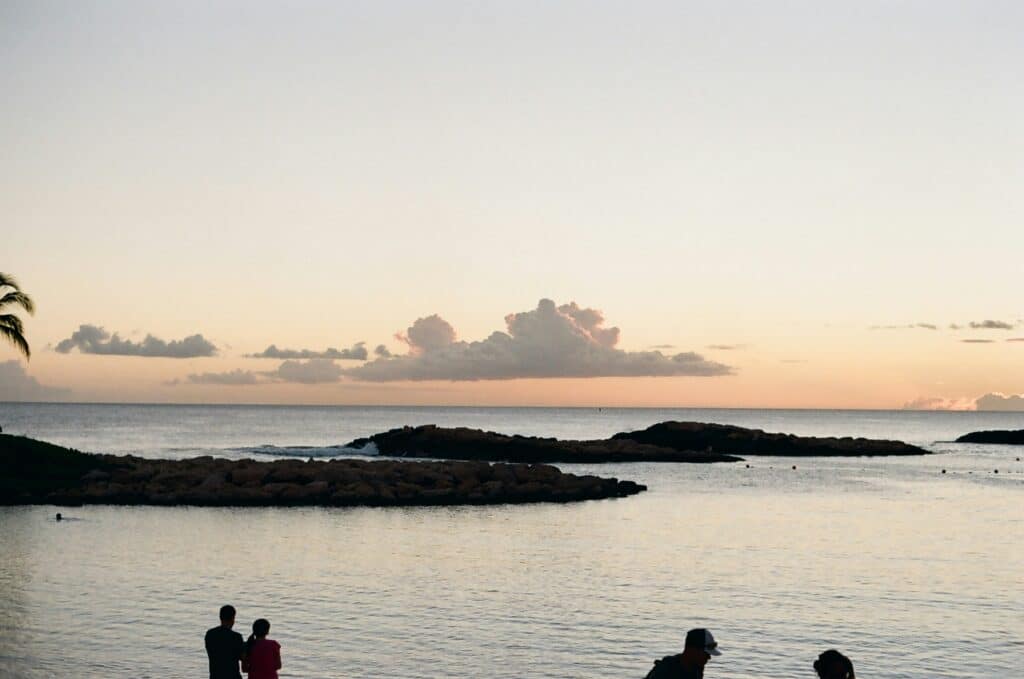
History: The land of Ko Olina holds deep historical roots as a sacred retreat for Hawaiian royalty, including King Kamehameha the Great and his wife, Queen Kaʻahumanu, who would visit the area to rest and bathe in the natural pools, making this an integral Oahu travel guide stop. In the late 19th century, the landscape transitioned into an industrial powerhouse as part of the Ewa Sugar Plantation. It wasn’t until the 1980s that visionary developer Herbert Horita began transforming the rugged industrial coastline into the luxury destination it is today. The most significant modern milestone occurred in 2011 with the opening of Aulani, A Disney Resort & Spa, which cemented Ko Olina’s reputation as a world-class family travel hub.
Physical Description: Situated on the sunny Leeward Coast of Oahu, Ko Olina is a 642-acre master-planned resort community defined by its four pristine, man-made crescent lagoons. Designed as a more tranquil and manicured alternative to the high-energy pulse of Waikiki, Ko Olina, or “Place of Joy,” is characterized by emerald-green fairways, luxury high-rises, and paved seaside pathways that connect the lagoons. It is the premier destination on the island for families and those seeking a high-end resort experience.
Feature Hotels: The hotels in Ko Olina are defined by their location along the West Side’s sunny, calm lagoons. Four Seasons Resort Oahu at Ko Olina is the top choice for those seeking a quiet, high-service sanctuary, while Aulani, A Disney Resort & Spa is unmatched for family-oriented fun and engagement. Marriott’s Ko Olina Beach Club offers a middle ground of luxury and practicality, making it a staple for repeat visitors.
Popular Ohau Travel Guide Activities & Sites
Koko Crater Stairs
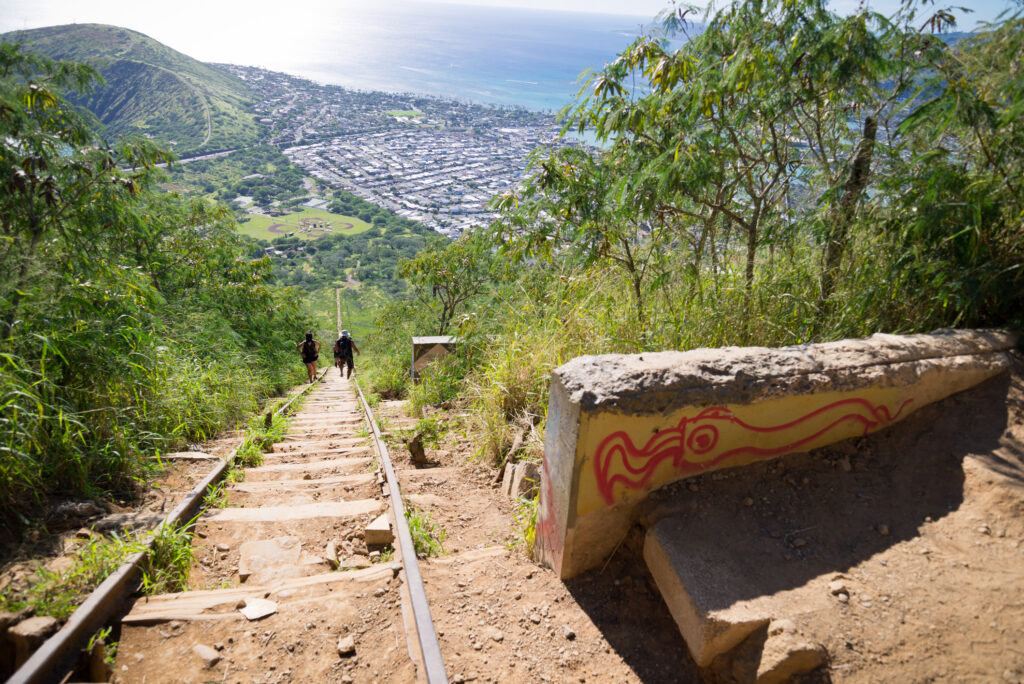
The Koko Crater stairs are a quintessential Oahu travel guide challenge that bridges the island’s military history with its modern fitness culture. It is an activity for those who prefer a high-intensity workout over a leisurely stroll, demanding stamina and steady footing. While the climb is difficult, the transition from the rugged, dusty tracks to the sweeping ocean vistas at the peak provides a dramatic perspective of Oahu’s eastern volcanic landscape.
Pearl Harbor National Memorial
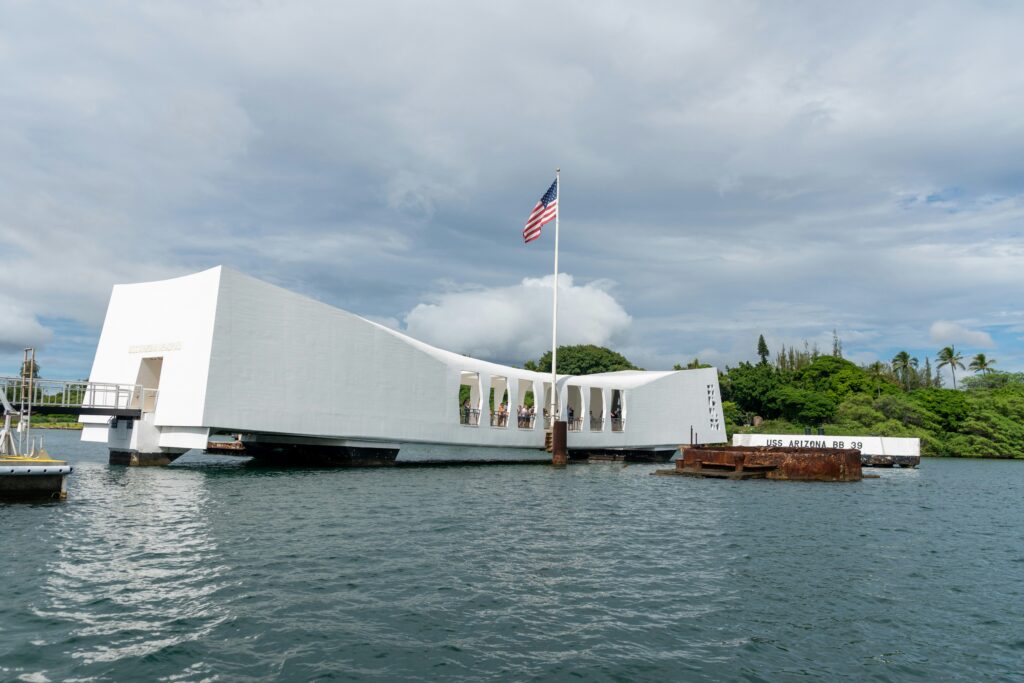
The Pearl Harbor National Memorial Click is one of Hawaii’s most significant cultural and historical landmarks, serving as a solemn tribute to the events of December 7, 1941. The site offers a comprehensive look at the United States’ entry into World War II through a series of interpretive exhibits, commemorative monuments, and the iconic white structure of the USS Arizona Memorial, which sits directly above the sunken battleship.
Swimming with Dolphins
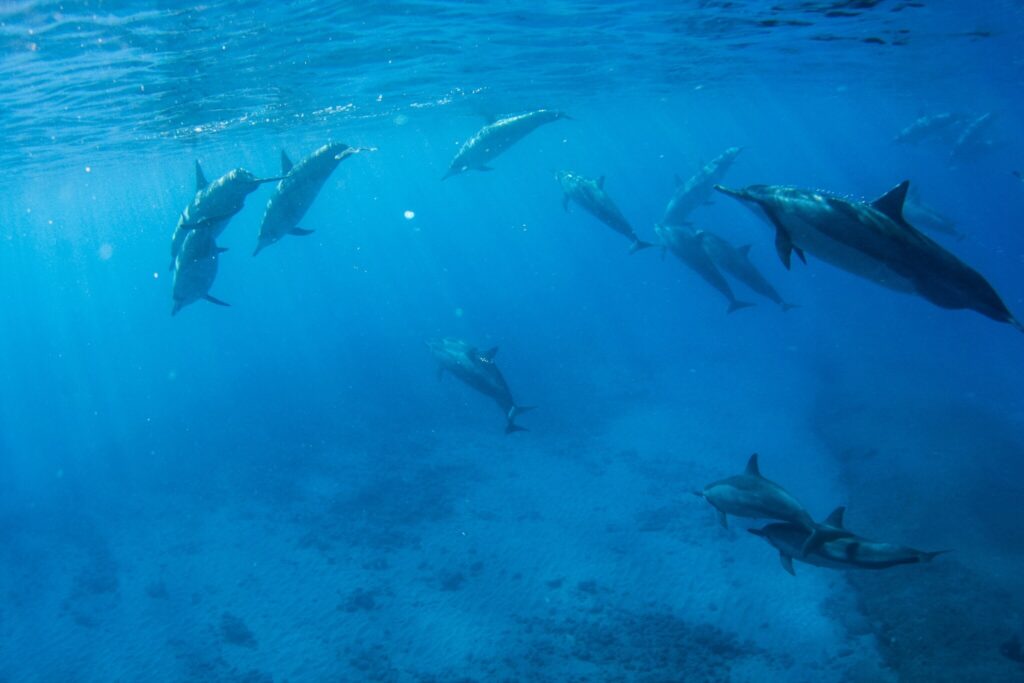
Choosing a dolphin activity on Oahu involves a choice between the guaranteed interaction of a lagoon swim at Dolphin Quest Oahu or the thrill of spotting them in the wild with Dolphin Excursions Hawaii. Families with young children often find the controlled environments of Sea Life Park Hawaii most rewarding, while adventure-seekers may prefer the open-ocean boat tours on the west side. Regardless of your choice, it is vital to book with reputable operators to ensure the safety and well-being of yourselves as well as of Hawaii’s resident marine animals.
Historic Hale’iwa
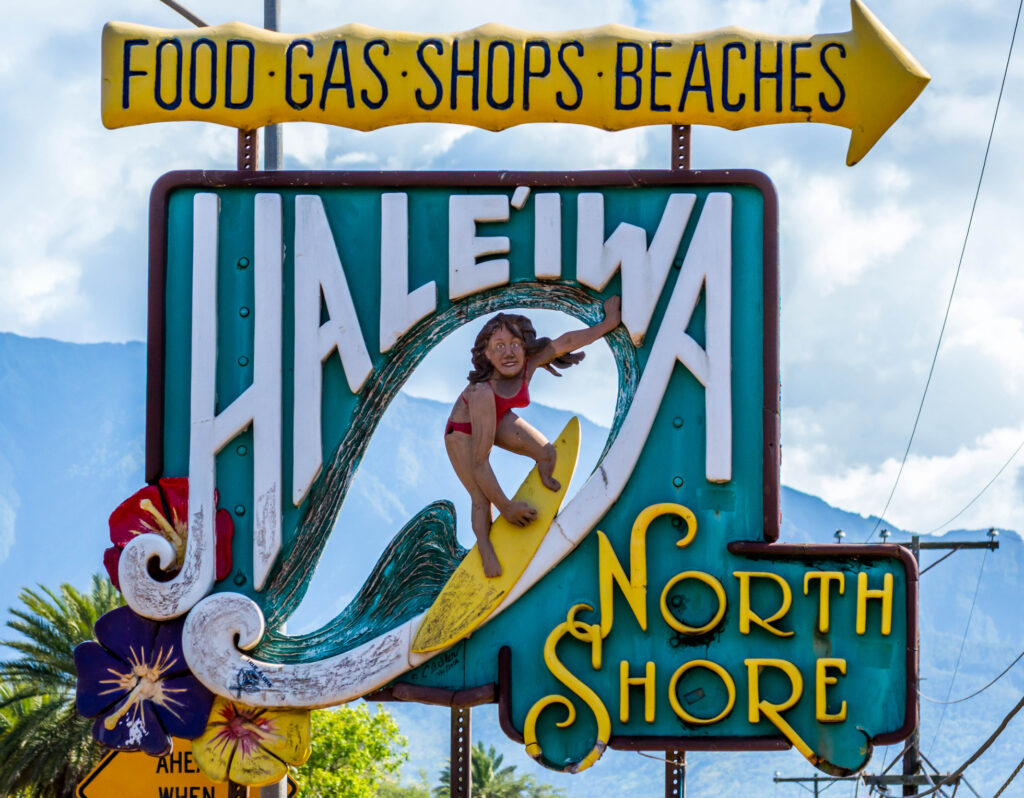
Historic Hale’iwa is the gateway to Oahu’s North Shore and serves as the region’s cultural and commercial heart. Originally a hub for the sugar plantation industry, the town has preserved its rustic charm through plantation-era architecture and a strictly maintained “small-town” atmosphere. It became world-famous in the 1960s as the epicenter of big-wave surfing culture and today acts as a social gathering place where visitors and pro surfers alike stop for local delicacies, eclectic art, and surf gear.
Diamond Head Beach
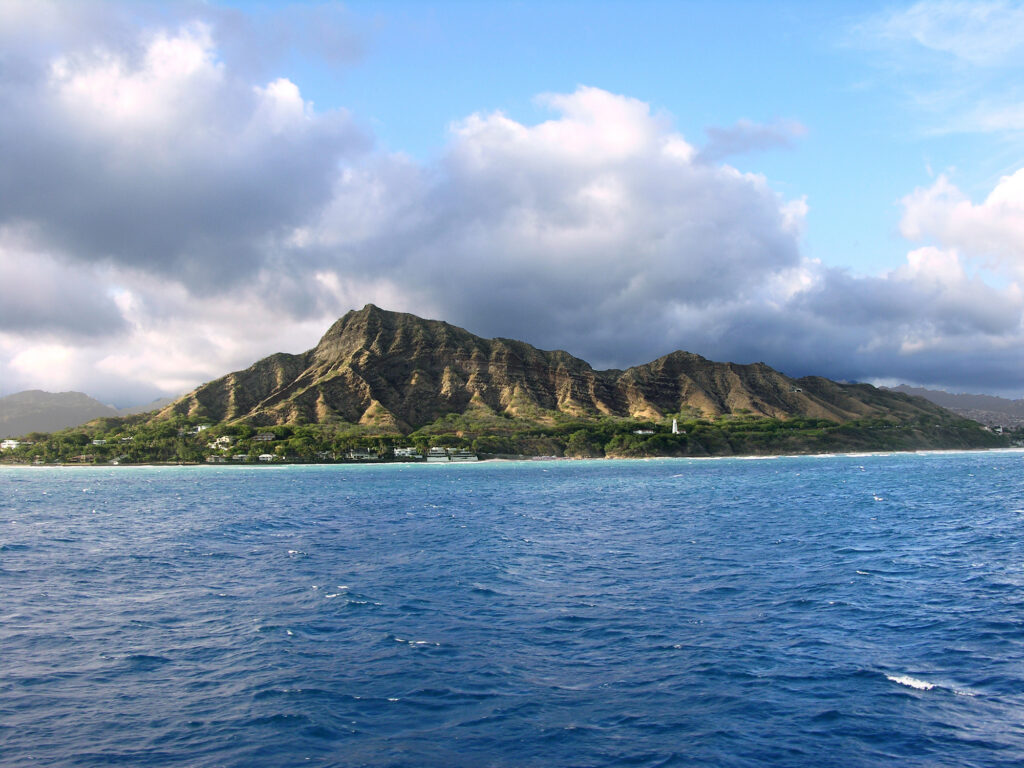
Diamond Head Beach Park provides a raw and scenic coastal experience that complements the famous hike to the Diamond Head State summit. It is a destination defined by its beauty and its status as a local surf haunt rather than a traditional swimming beach. The steep paved path leading down to the sand ensures that it remains less crowded, offering a peaceful retreat for those who appreciate the wilder side of Honolulu’s shoreline. It is the perfect place for a quiet sunset walk or to watch the surfers navigate the reefs below the cliffs.
Whale Watching Tour
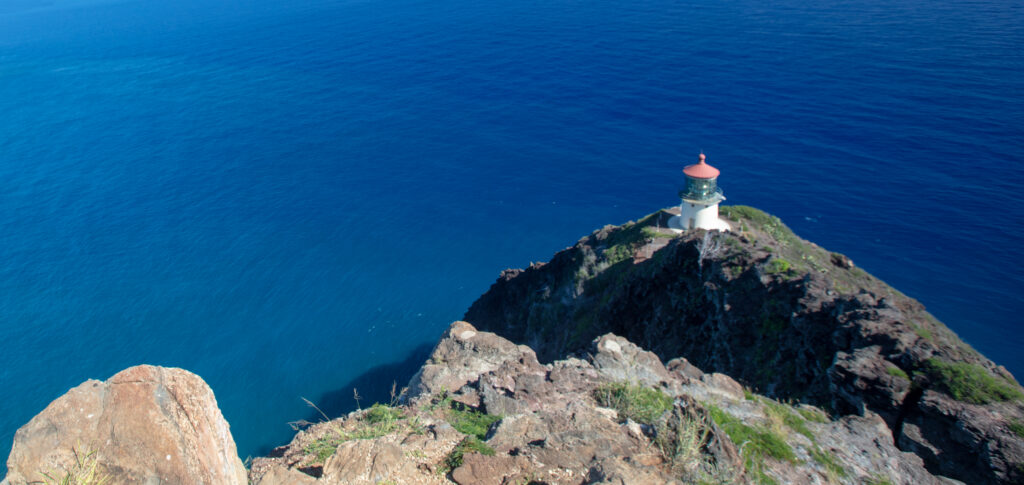
Whale watching on Oahu is a highlight of the winter season, offering a range of experiences from the high-capacity stability of the Star of Honolulu to the intimate, natural setting of the Makapuʻu Point Lighthouse Trail. While boat tours like Majestic by Atlantis Cruises provide the closest encounters and expert education, the island’s many coastal lookouts — including Kaʻena Point and the Hālona Blowhole Lookout — allow for a more spontaneous and cost-free viewing experience. Most boat operators offer a “whale guarantee,” providing a free return trip if no whales are spotted.
Polynesian Culture Center
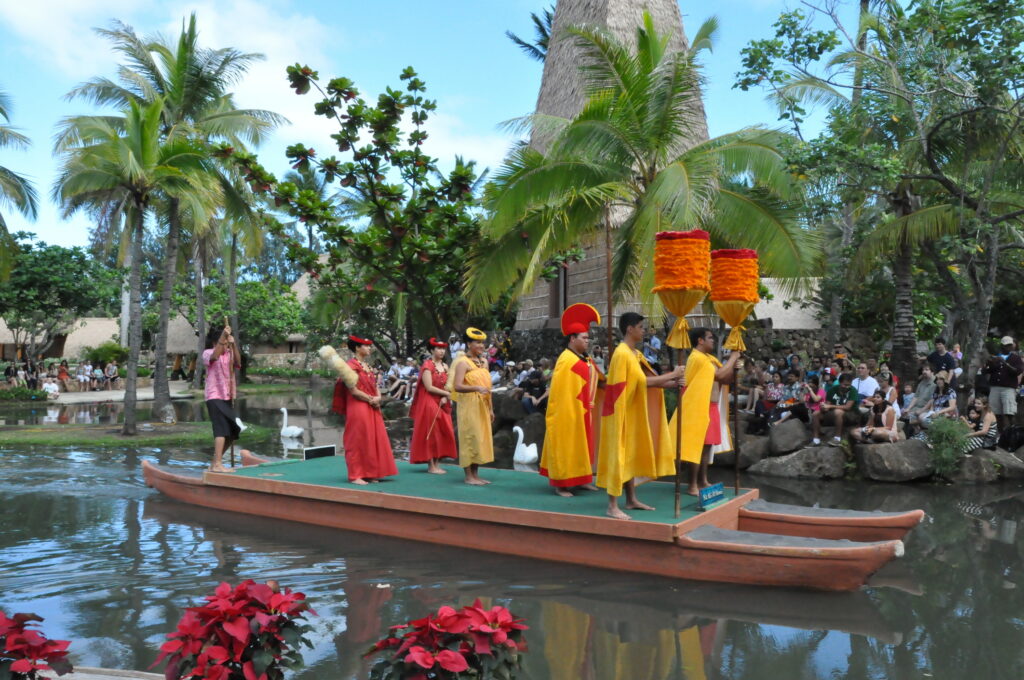
A visit to the Polynesian Cultural Center is an engaging dive into the heritage of the Pacific, making it an essential activity for those who want to understand the broader context of Hawaiian culture. It is a full-day commitment that balances interactive learning with world-class entertainment. Spread across 42 lush acres, the center provides an educational and entertaining environment where visitors can engage with authentic cultural demonstrations and large-scale performances. It is highly recommended to arrive by noon to fully explore the villages before the evening luau and show.
Lanikai Pillbox Trail
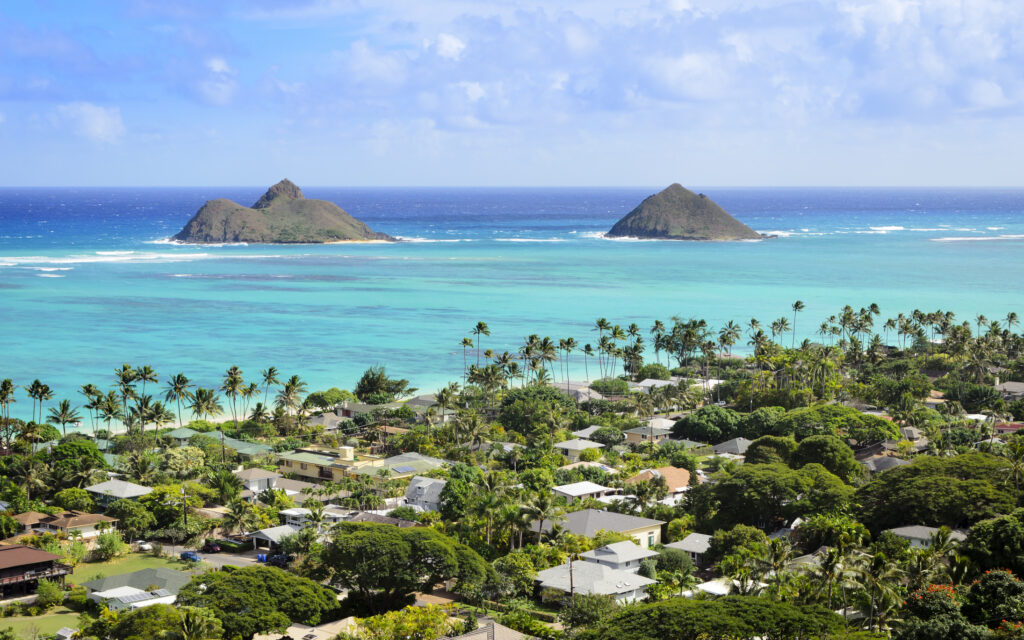
The Lanikai Pillbox Trail, also known as the Kaiwa Ridge Trail, is one of the most popular and scenic short hikes on Oahu’s Windward Coast. This ridge-line path offers a moderate workout with a significant visual payoff, featuring panoramic views of the turquoise waters of Lanikai Beach Click to open side panel for more information and the iconic twin islands just offshore. The trail is best known for the two World War II-era military bunkers, or “pillboxes,” perched along the ridge, which now serve as vibrant, graffiti-covered observation platforms for hikers.
Kayaking to the Mokulua Islands
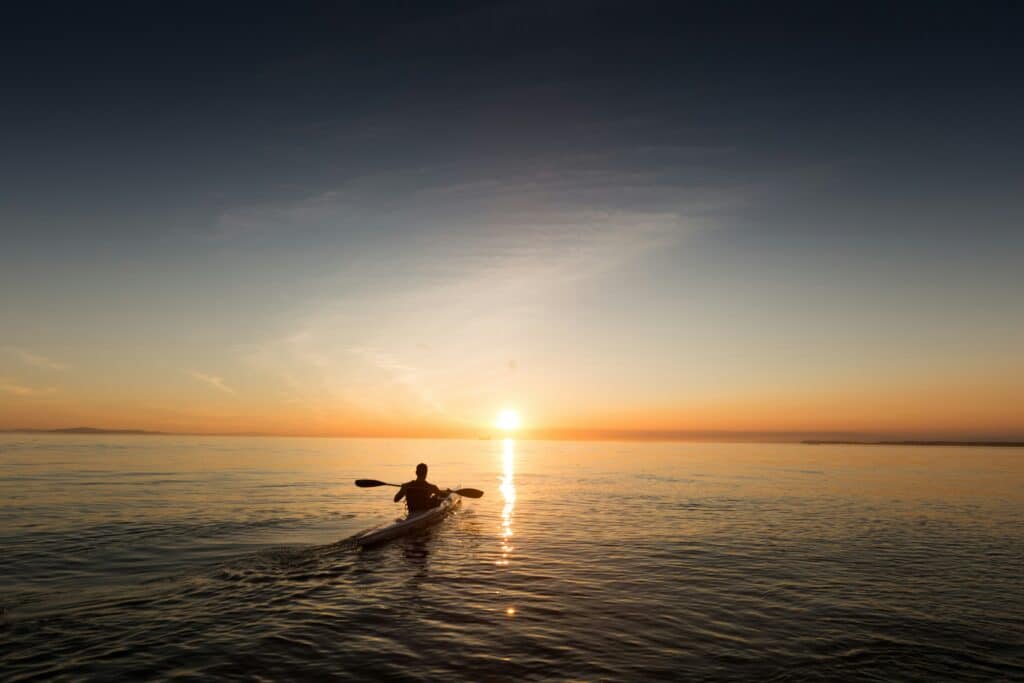
Kayaking to Na Mokulua, commonly known as “The Mokes,” is one of the most rewarding ocean adventures on Oahu’s Windward Coast. This excursion involves a 45-to-90-minute paddle through the waters of Kailua Bay to reach Moku Nui, the larger of the two islets. While the islands appear close from the shoreline of Lanikai Beach, the crossing does require a high degree of physical stamina and an awareness of prevailing ocean conditions.
Oahu Travel Guide Delicious Dining
House Without A Key
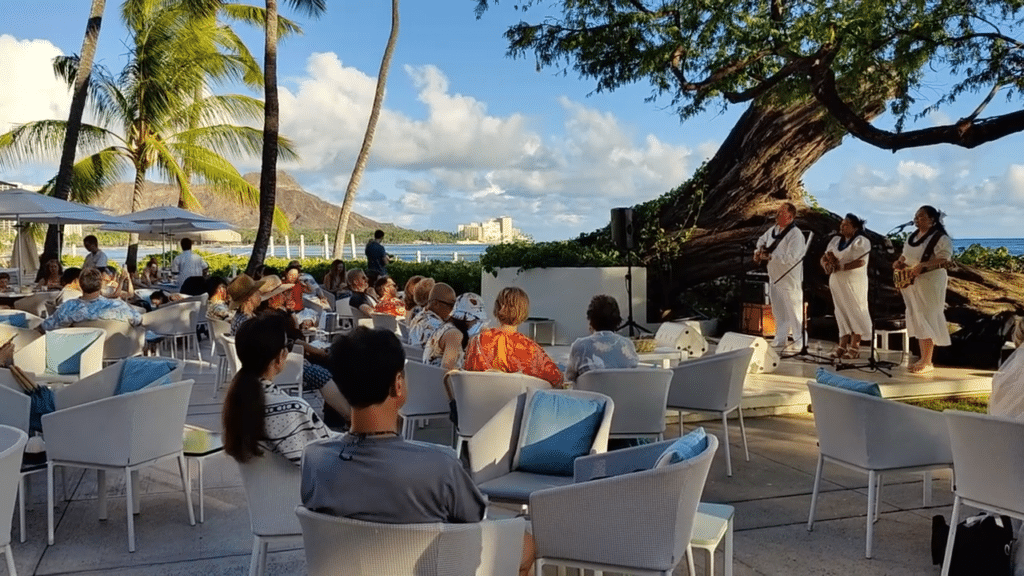
“House Without A Key” is a celebrated oceanfront restaurant and lounge at the Halekulani Hotel embodying the spirit of “old Hawaii.” It is famous for its daily sunset ritual, where guests gather under a century-old kiawe tree to watch live Hawaiian music and hula performances against the backdrop of the Pacific Ocean and Diamond Head. The venue was immortalized in a 1925 Charlie Chan novel and remains one of the most sought-after spots in Waikiki.
Chengdu Taste
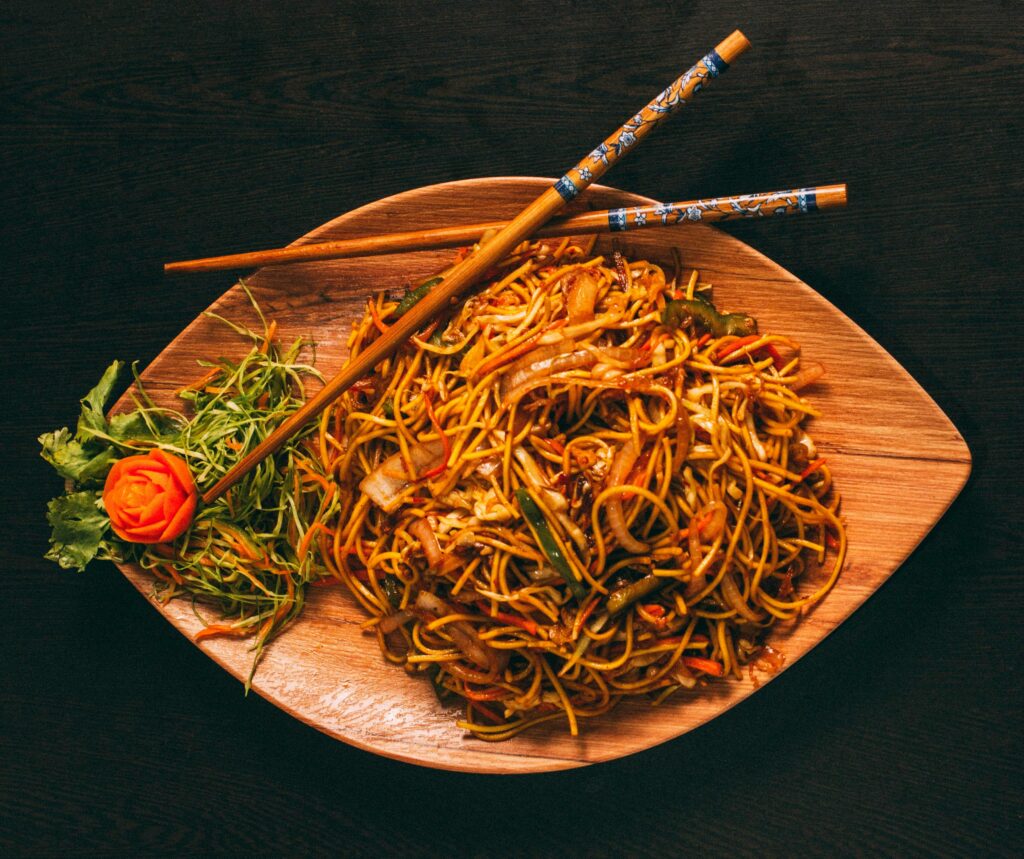
“Chengdu Taste” in Honolulu is a highly acclaimed destination for authentic Sichuan cuisine, known for its uncompromising commitment to the bold, numbing, and spicy flavors of Chengdu. Located in the Ala Moana area, this eatery has gained a dedicated following for its “mala,” or spicy, dishes that feature an array of fresh Sichuan peppercorns and chilies. The atmosphere is casual and efficient, making it a popular choice for diners seeking a visceral and sensory-heavy culinary experience that avoids Americanized adaptations.
Honolulu Burger Co.

“Honolulu Burger Co. Makiki” is a locally owned favorite in Honolulu that emphasizes a farm-to-table approach, specializing in burgers made with 100% free-range, grass-fed beef sourced from the Big Island. Founded in 2010 by Ken Takahashi, the restaurant was established to bridge the gap between high-end gourmet burgers and standard fast food by offering premium island ingredients in a casual, unpretentious setting.
Matsumoto’s Shave Ice
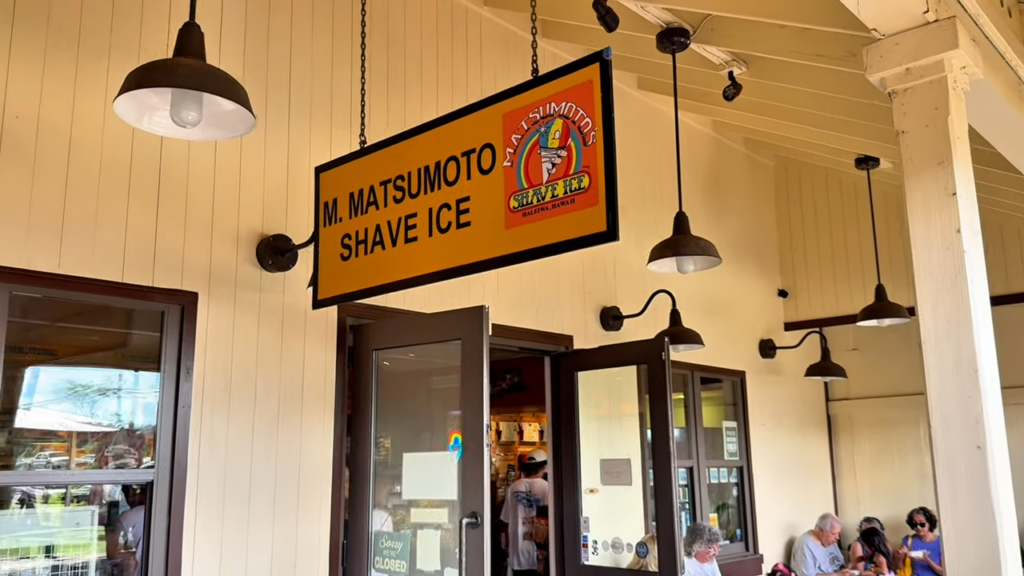
“Matsumoto Shave Ice” is a historic landmark in the heart of Haleiwa Click to open side panel for more information that has become synonymous with the North Shore experience. Founded in 1951 as a general store, it evolved into a world-famous destination for its incredibly fine, snow-like shave ice. Despite its global fame and the long lines that often stretch out the door, the shop retains its rustic plantation-era charm and is still family-operated.
